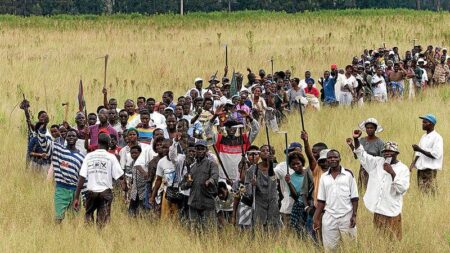


A Victim’s Harrowing Ordeal on abuse
An 18-year-old Dalit girl in Kerala, India, alleges five years of relentless sexual abuse. Nearly 60 individuals, including schoolmates, neighbours, relatives, and strangers, are accused. This case highlights caste-based violence and the failure to protect vulnerable women in India. Her ordeal began at 13. It reveals the devastating impact of sexism, patriarchy, and caste discrimination.
The Beginning of Abuse and Manipulation
A neighbour reportedly molested her. He captured sexually explicit videos and photos. Police investigate if these images blackmailed and manipulated her. They are looking into further sexual encounters with dozens of men and boys. The girl confided in a college counsellor. This revealed years of abuse. So far, 58 men and boys have been arrested. They face accusations of sexual assault, rape, and gang rape. Two suspects fled the country. The accused range from minors to men in their 40s. They come from various parts of her life.
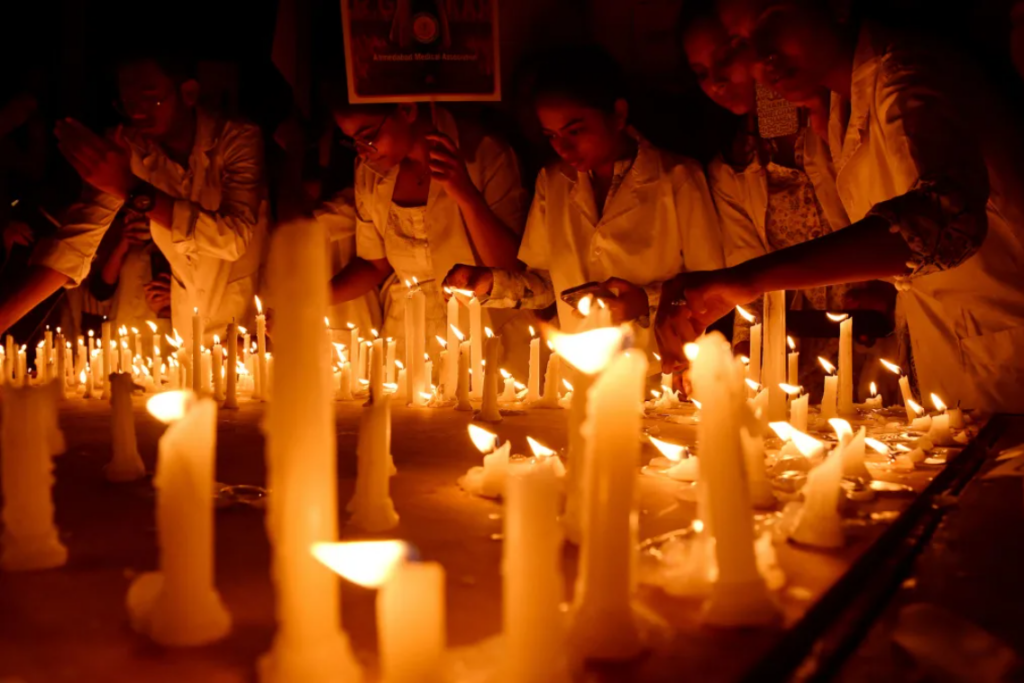
The Silence of Society: Caste and Lack of Outrage
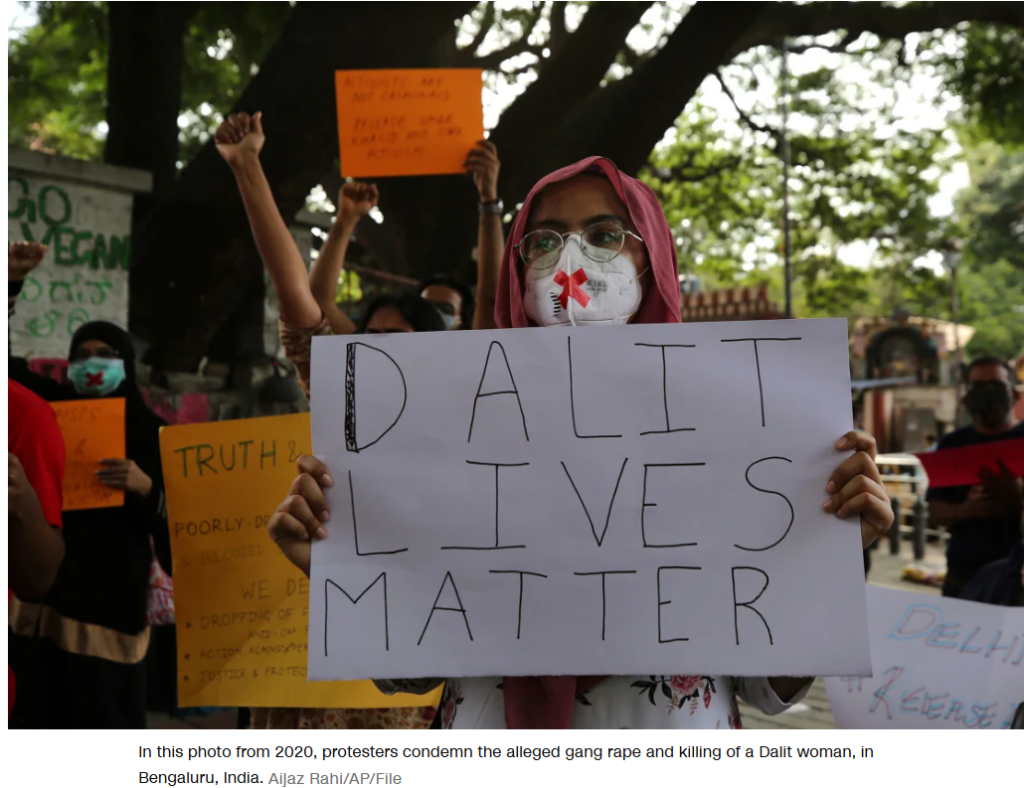
Despite the severity, the case lacks public outrage. Other recent cases of violence against women in India sparked more reaction. Experts attribute this to the victim’s Dalit identity. The Dalit community faces systemic discrimination. They sit at the bottom of the Hindu caste system. This 3,000-year-old hierarchy relegates Dalits to “unclean” jobs. It denies them basic rights.
The Dehumanization of Dalit Women
Dalit rights activist Cynthia Stephen highlights the diminished outcry. She suggests a sentiment that these women are not “one of us.” This leads to a lack of empathy. The girl’s abuse involved manipulation and kidnapping. She faced repeated assaults. Some abusers promised marriage. Others threatened her life. The abuse occurred in homes, public spaces, and vehicles. Some instances involved human trafficking. She was forced to travel.
Community Dynamics and Parental Unawareness on abuse
Her village is home to wage laborers. They work low-paying jobs. Her parents worked long hours. They were unaware of the abuse. When allegations surfaced, some women sympathized with the accused. They criticized the victim. They blamed her clothing, lifestyle, and her mother’s supervision. One mother, whose son was accused, claimed his innocence. She said he knew the girl since infancy.
Vulnerability in Dalit Communities
Dalit living conditions worsen their vulnerability. Over half of Kerala’s Dalits live in cramped “colonies.” This results from historical land denials. Dalit activist Rekha Raj emphasizes the lack of resources and privacy. Criminology professor Madhumita Pandey suggests tight-knit communities hinder reporting. Perpetrators are often known to victims.
Statistical Realities and Underreporting
Official statistics confirm this. Over 98% of Kerala rape cases involve known perpetrators. In 2022, over 4,241 rape cases involved oppressed castes, including Dalits. The national total exceeded 31,500. Underreporting likely inflates actual numbers, especially in Dalit communities.
The Burden of Reporting and Caste-Based Impunity
Pandey notes that women risk isolation if they report. In this case, some accused are from privileged castes. They could face harsher punishments. A 2020 Equality Now report highlighted dominant caste oppression. They use sexual violence. Dalit women face a “culture of impunity.”
Obstacles to Justice and Limited Convictions
Even when reporting, Dalit women face obstacles. The Equality Now report found few convictions. They primarily involved rape and murder or victims under six. Child Welfare Committee head N Rajeev attributes increased reporting to school campaigns. Reported cases surged in Kerala.
Current Support and the Long Road to Justice
The girl lives in a shelter. She receives counseling. Her mother also gets counseling. She can stay in a women’s shelter. Police dedicated resources to the case. Legal processes will take years. India’s rape conviction rate is low.
A Call for Systemic Change to abuse
Stephen believes reporting is a positive step. Without it, abuse would continue. The case highlights the need for systemic change. This addresses caste-based violence. It ensures justice. Entrenched hierarchies and prejudices perpetuate crimes. Lack of education and support enables them. Systemic overhauls are needed.
Courtesy of CNN
For article publication inquiries, feel free to get in touch.