
A New Era: Mauritius Invests in Food Sovereignty
“Well done, Prime Minister.” That praise echoed across Mauritius as the Prime Minister and Minister of Finance presented a bold new Budget. More than anything, this Budget is not just about money or figures. Instead, it marks a clear shift in how the country plans its future—particularly in the areas of food and agriculture.

For decades, Mauritius has depended heavily on imported goods. Currently, the country imports nearly Rs 65 billion worth of food each year. However, we produce only 25% of what we consume locally. Consequently, this overreliance has made us vulnerable during times of global crisis. Recent events, such as supply chain disruptions and rising prices, have clearly exposed this weakness. Therefore, the time has come to take back control of what we eat and focus on building local resilience.
A New Mindset: “Produce What We Eat”
The Budget for 2025–2026 brings a new way of thinking. It starts what some call the “Planters, Producers, People” era. The government is giving big support to farming and fishing. These moves will also help reduce food imports and improve local health.
This new plan aims to help farmers, fishers, and youth. It also brings new ideas from countries like Israel, Greece, and the Netherlands. But all changes will be shaped to fit our own island.
Strong Foundations for Local Food
The plan starts with a National Land Bank and a food security policy. These steps will guide how we use farming land. They will also help different groups work better together. Land that now lies unused will soon help grow the nation’s food.
The goal is not just more food—but better food. With many health problems linked to poor diets, the focus is also on nutrition.
Smart Agriculture for the Future
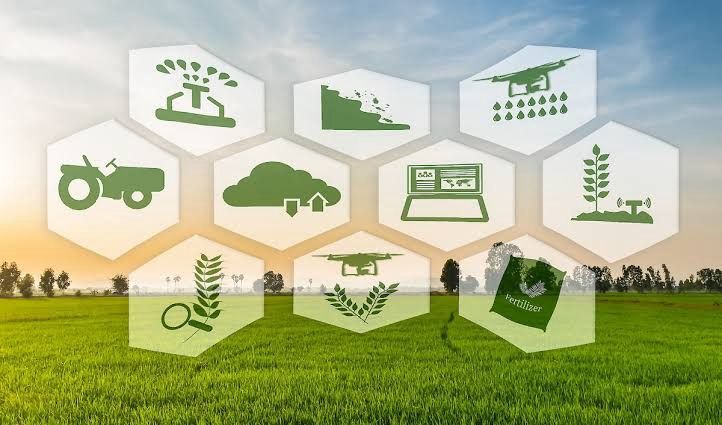
Farming in Mauritius is about to change. With the introduction of the new Budget, the government is now supporting smart farming and sheltered agriculture. These modern methods rely on innovative tools—such as AI, sensors, and automation. As a result, they help reduce waste, increase harvests, and keep crops safe throughout the year.
Moreover, this shift to tech-based farming has the potential to attract more young people into the agricultural sector. Gone are the days when farming was seen only as hard physical labor. Today, it is evolving into a high-tech career path. With proper training, access to digital tools, and government support, this transformation can soon become a reality.
Sugarcane: Back to Growth
Sugarcane farming gets a big boost. Planters will earn Rs 35,000 per ton for up to 60 tons. This includes by-products like molasses and bagasse. The government and private companies will work together to fund this.
The Mauritius Cane Industry Authority will also help with land costs. They will pay up to Rs 65,000 per acre to prepare land. This makes it easier for planters to return to farming.
To deal with labor shortages, the government will allow foreign workers in farming. This will follow rules set by the International Labour Organization (ILO).
The Sea: A New Source of Wealth
The Budget also targets the blue economy—our ocean wealth. The country now has full control of the Joint Fisheries Management Area (JFMA). This area was once shared with the UK. Now, it belongs only to Mauritius.
This opens the door to new projects in fishing and marine trade.
Blue Economy Highlights
- Fishing ports will be upgraded to attract 35,000 ships that sail through the region.
- Fishers who give up lagoon licenses will get Rs 200,000 to switch to semi-industrial fishing.
- Agalega will become a fishing hub, with cold storage and flights that reach Mauritius in just 2.5 hours.
- The country can now fish in Chagos waters again, thanks to the end of the old JFMA agreement.
- A new seafood auction market will help us export to Europe under trade deals. It also gives a backup plan if the U.S. market becomes hard to reach.
- A huge Marine Protected Area (MPA) will support ocean life and eco-tourism.
- Aquaculture will grow both on land and in the sea. Brazil’s success shows this is possible—almost half its fish comes from such farming.
- New work will also begin in coral farming and marine medicine. This could help health and the environment.
Turning Nature Into Income
Our seas can also help us in the climate fight. The Saya de Malha Bank is a large underwater area near Mauritius. It can hold a lot of carbon. The government wants to sell carbon credits from this area to world markets.
This step helps both the planet and the economy.
Food Security Is Key
The message is clear: food security is national security. Mauritius must rely more on itself. We must grow food that is healthy, safe, and local. And we must include everyone in this journey.
The youth will play a big role. New jobs in farming, fishing, and marine tech are opening. The country needs their energy and ideas.
Final Words: A New Path
Minister Arvin Boolell said it best:
“Arise, awake, and stop not until we achieve food self-sufficiency with nutritional value.”
This is not only just a goal—it’s a mission. The Budget shows a clear path. It gives the tools. Now it is up to all of us.
Let’s act now. Let’s build a stronger, safer, and self-reliant Mauritius. Our future depends on it.
For article publication inquiries, feel free to get in touch