

Introduction
Artificial intelligence (AI), once considered a domain reserved for technological giants, is experiencing a significant turning point. The emergence of DeepSeek, an AI model developed by China, is disrupting established balances and raising crucial questions about the future of AI in an increasingly competitive global context. This article explores how this revolution can be perceived as an opportunity for countries like Mauritius, which are seeking affordable and sustainable technological solutions.
The Emergence of DeepSeek
Launched on January 20, 2025, DeepSeek immediately captured the attention of experts and industry players. Developed with a modest investment of $6 million, it challenges the supremacy of major Silicon Valley companies. By reducing dependence on expensive microchips, DeepSeek has contributed to a decline in the stock values of American tech giants, notably Nvidia. This marks a decisive turning point in the struggle for dominance in AI, paving the way for the democratization of technological services.

Impacts on Emerging Countries
For emerging nations, the accessibility of cheaper AI solutions represents an unprecedented opportunity. For instance, Mauritius, as a small island nation, can leverage this new technology to modernize its economic processes. Local small businesses could integrate AI systems at reasonable costs, thus stimulating innovation and competitiveness. This transition toward accessible technological platforms could also attract foreign investment and diversify Mauritius’s economy.
Reactions from the United States and Resilience Strategies
The rise of DeepSeek is not without concern for the United States. Indeed, American dominance in AI is being challenged, and the U.S. government is responding by deploying ChatGPT Gov, an AI tool tailored to public administration needs. Over 90,000 government officials are already using this platform for various administrative tasks. By developing domestic AI solutions, the United States aims to strengthen its resilience against international competition.
Sam Altman, CEO of OpenAI, emphasized the importance of a reliable and secure AI to maintain a competitive edge. However, this desire to stay ahead in the global competition also requires international cooperation to address the global challenges related to AI.
Collaboration Rather Than Confrontation
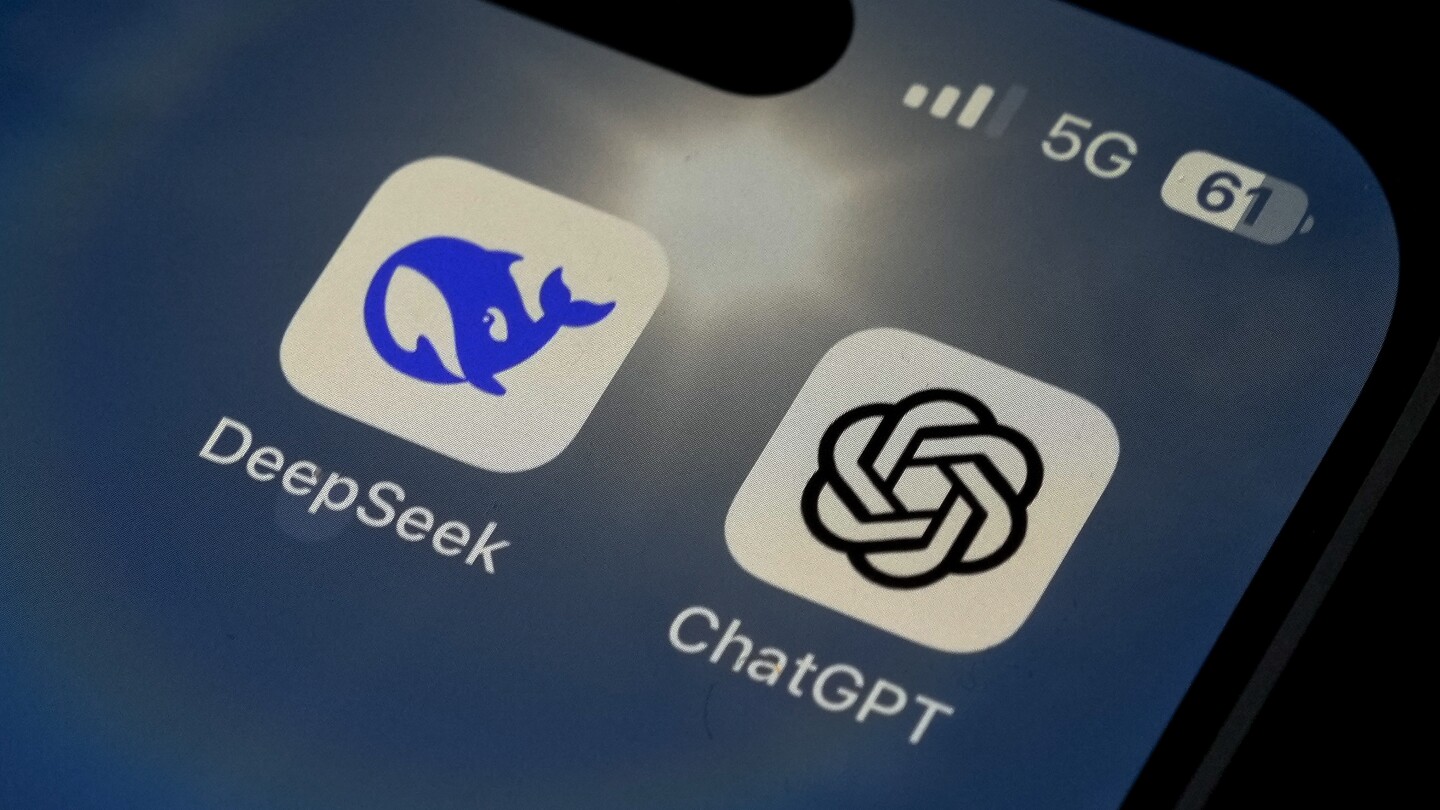
In this competitive dynamic between ChatGPT and DeepSeek, third countries find themselves in a delicate position. A frontal opposition to the dominant models would be a losing strategy. It is essential to recognize that these technologies are now deeply integrated into our societies. The solution lies in collaboration and adaptation.
Mauritius could adopt a strategic approach by partnering with both platforms. By investing in the training of young talents and establishing partnerships with international AI providers, the island could not only reduce its technological dependency but also improve the competitiveness of key sectors such as tourism and financial services.
Challenges of Adopting DeepSeek
However, it is crucial to remain vigilant regarding the limitations of DeepSeek. Although promising, the model is subject to Chinese censorship, which could restrict its international adoption. Its inability to address sensitive topics, such as the Tiananmen Square events, highlights the ethical and practical challenges that may arise.
On the other hand, Western AI models, while imperfect due to cultural biases, offer greater freedom of expression. This duality underscores the need for careful consideration of the technology that Mauritius chooses to adopt.
Courtesy of L’express
For article publication inquiries, feel free to get in touch.