


The ongoing EU trade talks between the United States and the European Union have taken center stage amid rising tensions and threats of high tariffs. These talks aim to resolve serious disagreements over trade rules and taxes on imported goods. Recently, US President Donald Trump agreed to extend the deadline for negotiations, offering more time to reach a deal and avoid escalating a costly trade conflict.
Background of the Trade Dispute
Trade between the US and the EU has always been important but also complicated. The US sees the current trading relationship as unfair, especially because the EU exports far more goods to the US than it imports. Last year, the EU sold over $600 billion in goods to the US, while buying about $370 billion from America. This difference has made the US government concerned about its manufacturing industries and jobs.
President Trump has used tariffs—extra taxes on imported goods—as a way to pressure the EU into making changes. These tariffs are meant to protect American businesses and workers by making imported goods more expensive and less competitive. However, they also risk increasing prices for US consumers and causing economic problems on both sides.
Trump’s Tariff Threats and Their Impact
In the past months, Trump first announced a 20% tariff on most goods coming from the EU. He later lowered this to 10% to allow time for negotiation. Still, the talks did not move fast enough to satisfy him. In frustration, Trump threatened to raise tariffs to 50%, a very high level that would heavily impact trade between the US and the EU.
This threat was scheduled to take effect by June 1 and put a lot of pressure on both sides to come to an agreement quickly. Such a high tariff would raise costs for many products imported into the US, hurting businesses and consumers.
Extension of the Negotiation Deadline
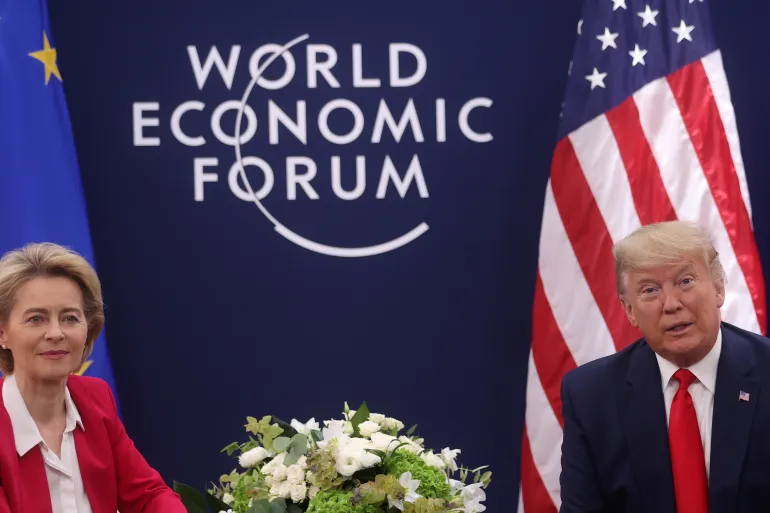
Despite the threat of a 50% tariff, the US agreed to extend the deadline for EU trade talks. After a phone call between President Trump and Ursula von der Leyen, the President of the European Commission, the deadline was moved to July 9. Both leaders said the call was very positive and that they want to move the talks forward in a serious way.
Von der Leyen stressed that the EU needs enough time to reach a fair deal. This new timeline is close to the original deadline before the tariff threat, showing that both sides want to avoid a major trade war.
Why These Talks Matter
The EU trade talks are about more than just taxes on goods. They reflect a bigger question about how the US and EU will work together in the future. These talks affect cars, farm products, steel, aluminum, and many other important industries.
Currently, a 25% tariff is still in place on EU steel and aluminum. Other tariffs were paused to keep the talks going. Both sides know that if these taxes increase, it could disrupt the supply chains that many companies depend on. It could also make products more expensive and hurt the economy.
The European Union’s Response
The EU has not been quiet in this dispute. It has threatened to impose tariffs of its own on US products. For example, it planned a 25% tariff on $18 billion worth of American goods but paused this in hopes of continuing negotiations.
The EU is also looking at more tariffs that could target $95 billion of US imports. These actions show that the EU is ready to defend its interests and respond strongly if talks fail.
Calls for a Diplomatic Solution
European countries, including France and Germany, are urging calm and diplomacy. They warn that higher tariffs would damage both the US and EU economies and could start a harmful trade war.
Leaders on both sides want a solution that benefits everyone. They know that cooperation is better than conflict. This is why the extension of the negotiation deadline is seen as a positive step.
Effects on Businesses and Consumers
Economists worry that higher tariffs will raise prices for consumers. When taxes on imports go up, businesses usually pass those costs on to buyers. This could make many everyday products more expensive for people in the US.
Businesses may also face problems with supply chains. Many companies rely on parts and materials from both sides of the Atlantic. Trade conflicts could cause delays, higher costs, and less certainty, which can hurt growth and jobs.
What Comes Next?
The extra time for the EU trade talks gives both sides a chance to find common ground. They need to balance their own interests with the need to keep trade flowing smoothly.
Negotiators face tough decisions. Both the US and EU want to protect their industries but must avoid hurting consumers or risking a trade war. Finding an agreement will require patience, compromise, and trust.
Conclusion
The extension of the deadline for these important talks shows that both the US and EU understand the risks of escalating the conflict. By agreeing to keep talking, they hope to avoid imposing damaging tariffs and protect their strong economic partnership.
The EU trade talks are a key moment for transatlantic relations. They will shape not just tariffs and trade rules but also the future of cooperation between two of the world’s largest economies. The world watches as these negotiations continue, hoping for a fair deal that supports growth and stability for all.
For article publication inquiries, feel free to get in touch.