

905 Cases of Gastroenteritis in One Week: What You Need to Know
Gastroenteritis Cases Show a Slight Decline but Risks Remain
Between February 16 and 22, hospitals across the country recorded 905 cases of gastroenteritis. “Compared to the 970 cases reported last week, we see a slight decline, but it remains crucial to stay vigilant and take necessary precautions,” warns Dr. Fazil Khodabocus, a public health physician. He highlights that high temperatures and humidity create an ideal environment for bacteria and viruses, increasing the risk of infection.
Preventive Measures Against Gastroenteritis
To reduce the chances of contracting gastroenteritis, Dr. Khodabocus recommends the following steps:
- Hand Hygiene: Wash hands frequently with soap, especially after using the toilet and before eating.
- Food Safety: Wash fruits and vegetables with potable water and avoid consuming raw or undercooked food.
- Proper Food Storage: Keep food covered and protected from insects to prevent contamination.
- Caution When Eating Outdoors: Be mindful of food hygiene when dining outside.
- Stay Hydrated & Maintain a Balanced Diet: Proper hydration and nutrition help support the immune system.
If symptoms persist, consult a doctor promptly.
Gastroenteritis in Infants: What Parents Should Watch For
Common Causes of Gastrointestinal Infections in Children
Children are particularly vulnerable to gastroenteritis, which is often caused by viral infections such as rotavirus, norovirus, or adenovirus. While usually mild in adults, these infections can be dangerous for infants, leading to severe dehydration.
How to Recognize Severe Gastrointestinal Symptoms
- Digestive Issues: Symptoms such as diarrhea, vomiting, and stomach pain can indicate an infection.
- Urinary Infections: Persistent abdominal pain could be a sign of a urinary tract infection.
- Appendicitis: Intense pain moving from the middle of the abdomen to the lower right side may signal appendicitis.
- Food Poisoning: Contaminated food can cause nausea, diarrhea, and abdominal cramps.
Does Heat Increase the Risk of Gastroenteritis?
Yes, warm weather and humidity promote bacterial growth, increasing the likelihood of foodborne illnesses and viral infections leading to gastroenteritis.
How to Prevent Gastrointestinal Infections in Babies and Young Children
To reduce the risk of gastroenteritis:
- Prevent Constipation: Provide fiber-rich foods such as fruits and vegetables.
- Ensure Proper Hydration: Offer enough fluids, especially in hot weather.
- Avoid Overfeeding: Allow breaks during feeding to prevent excess air intake.
- Reduce Regurgitation: Keep the baby upright after feeding and encourage burping.
Signs of Gastroenteritis-Related Dehydration & When to Seek Help
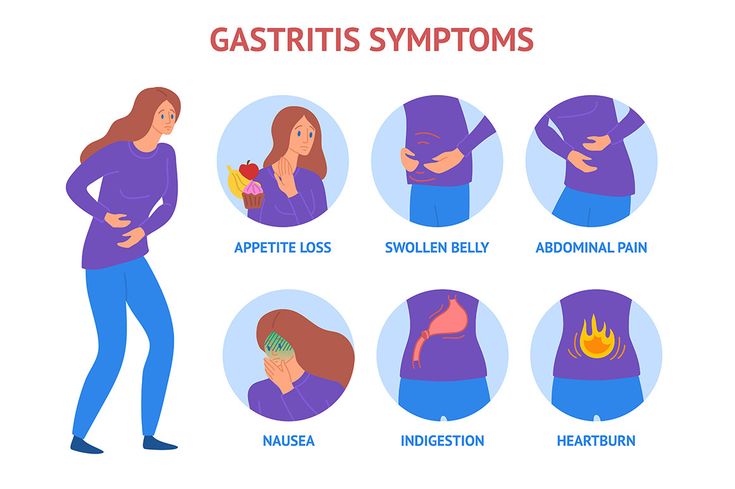
Bacteria such as Salmonella, E. coli, and Listeria can cause gastroenteritis, leading to nausea, vomiting, diarrhea, and fever. Parents should seek medical attention if:
- The child has fewer wet diapers or decreased urination.
- Symptoms persist for more than 24 hours.
- Signs of dehydration appear, such as dry mouth, sunken eyes, or excessive drowsiness.
How to Manage Dehydration Caused by Gastroenteritis
Severe diarrhea from gastroenteritis can lead to dehydration, which may require urgent care. To manage it:
- Continue breastfeeding if applicable.
- Offer electrolyte-rich fluids to maintain hydration.
- Use oral rehydration solutions if the child struggles to retain liquids.
By staying cautious and taking preventive measures, families can significantly reduce the risks associated with gastroenteritis, especially during warm and humid seasons.
Courtesy of lexpress
For article publication inquiries, feel free to get in touch.