
Israeli airstrikes hit northern Gaza on Wednesday. Around 80 people died. At least 22 of them were children. Civil defense and medical officials confirmed these numbers. This was one of the deadliest mornings in weeks. It shows a serious Gaza bombing escalation at a fragile time in regional politics.
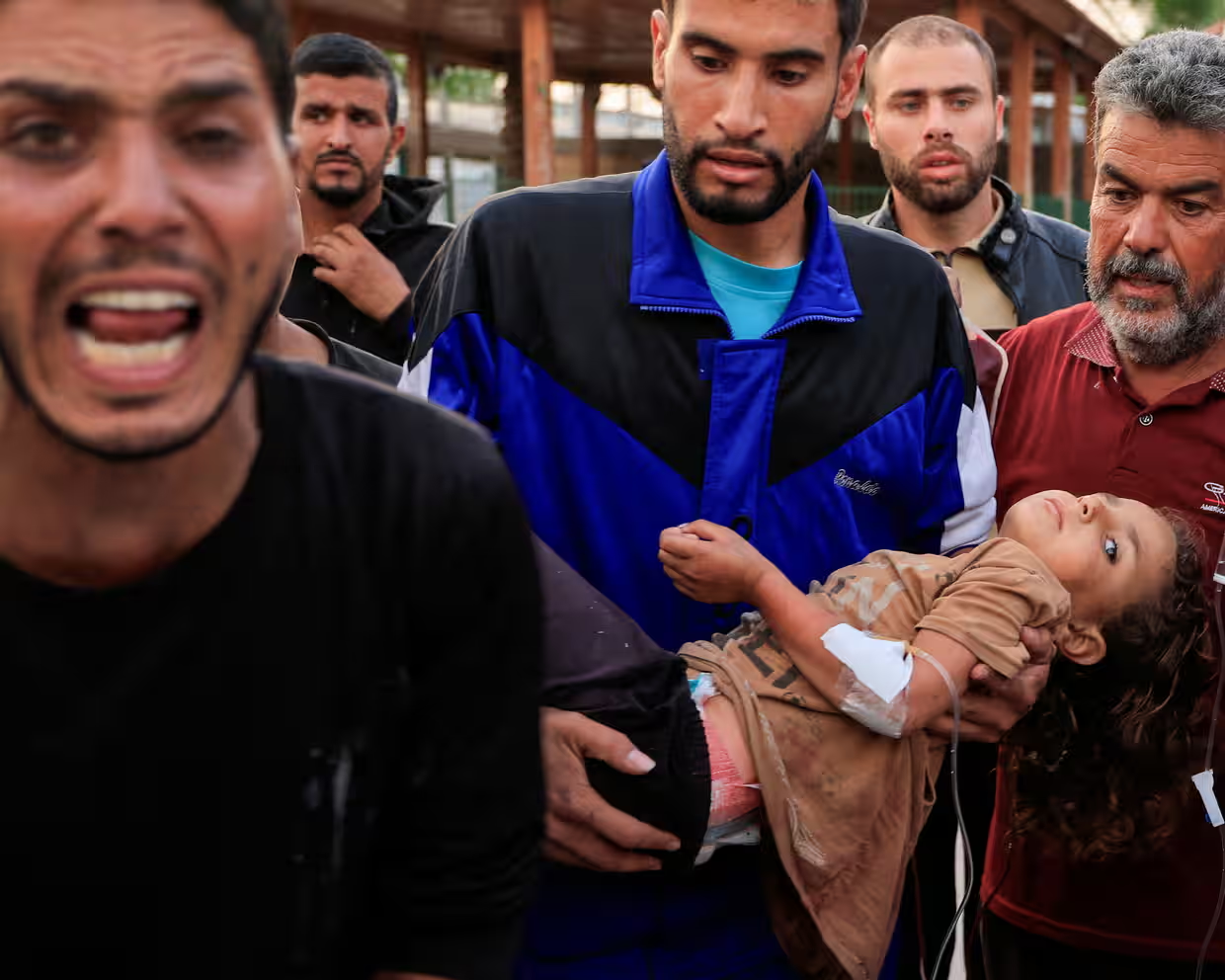
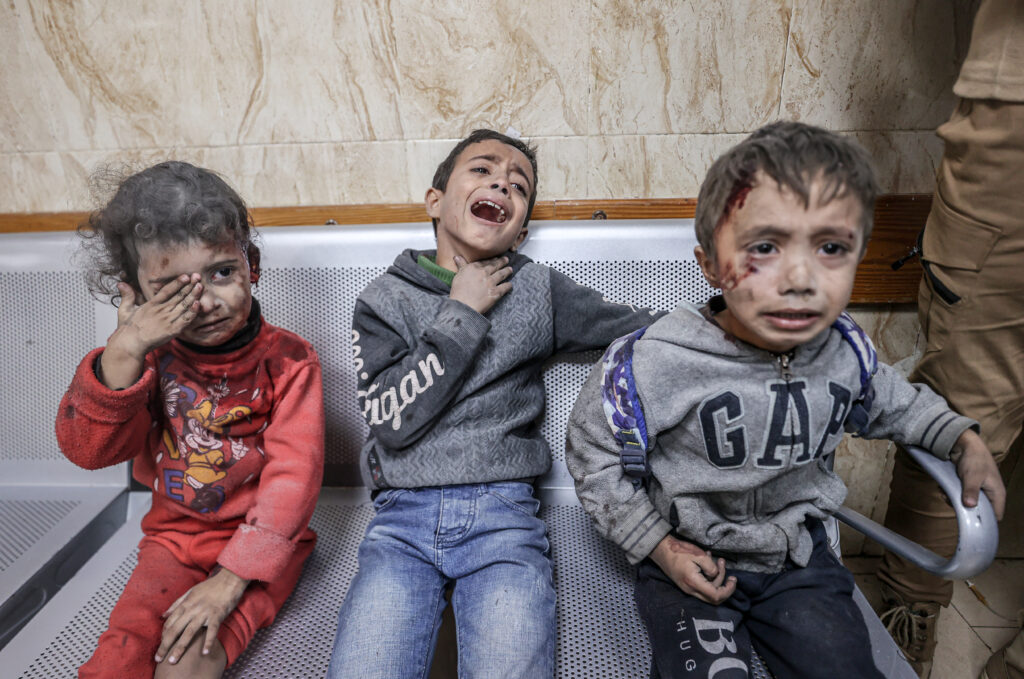
Civil defense teams reported 80 deaths. The al-Awda hospital in Jabaliya said strikes killed 50 people in one area. Most victims were civilians, including many children. Hospital director Mohammed Salha said the situation is very hard to bear. “Even after 19 months, no one gets used to such sights … We are all tired,” he said.
Medical teams treated 52 injured people. One patient was a four-month-old baby with severe leg injuries. Videos showed grieving women kneeling next to bloodstained white shrouds. The Israeli military focused strikes on northern Gaza. This followed rocket attacks launched at Israel on Tuesday.
Because of this, Israeli authorities ordered people to leave Gaza City’s Rimal neighborhood. They said Hamas used schools and hospitals there. These bombings came after a pause in Israel’s attack. That pause allowed Hamas to free 21-year-old Israeli-American hostage Edan Alexander.
Renewed Violence and Political Tensions
The rise in attacks—especially on children—caused global alarm. The humanitarian crisis in Gaza worsens as ceasefire talks stall. Political discussions remain unclear.
At one point, many hoped for a ceasefire. But Israel warned it might invade if Hamas did not free the remaining 58 hostages. Meanwhile, talks for a ceasefire continued in Doha, Qatar.
U.S. President Donald Trump visited the region this week. He met Middle Eastern leaders to discuss the conflict. Trump’s special envoy, Steve Witkoff, also met Israeli Prime Minister Benjamin Netanyahu. They focused on the hostage issue and possible solutions. Witkoff said Trump’s meeting with Qatar’s emir went well. “We are moving along and we have a good plan together,” he said.
Humanitarian Crisis Worsens
The humanitarian crisis worsens fast. Israel imposed a full blockade on Gaza in early March. Recently, UN food experts warned that Gaza’s 2.3 million people face a severe famine threat. UN Secretary-General António Guterres called for open humanitarian access. Italy’s Prime Minister Giorgia Meloni said the situation is “dramatic and unjustifiable.” Canada’s foreign minister, Anita Anand, accused Israel of using food as a political weapon.
Israeli officials strongly denied these claims. They said Hamas steals aid to fund its military work. They also said the blockade pressures Hamas to free hostages. Israel and the U.S. proposed a new aid plan. This plan would set up aid hubs in southern Gaza. Private contractors would run the hubs. Israeli troops would protect them.
However, aid groups said the plan would not work. They warned it is unsafe and might break laws. They also said it would not help the people who need it most.
Political Pressure and Military Targets
This Gaza bombing escalation has raised political pressure worldwide. For instance, while speaking in Riyadh on Tuesday, Trump said more hostages would be freed after Alexander. Moreover, he stated that the people of Gaza “deserve a better future.” Meanwhile, Netanyahu praised Alexander’s release, claiming that military pressure and Trump’s help made it possible. However, Hamas said it talked directly with U.S. leaders.
Furthermore, the Israeli attack has badly damaged Gaza’s infrastructure. Hospitals, water, and electricity systems no longer work properly. As a result, over 90% of the people have left their homes—some many times. On Tuesday, Israeli forces struck a hospital in Khan Younis.
According to Israeli media, one target was Mohammed Sinwar. He is the brother of the late Hamas leader Yahya Sinwar. In addition, officials believe Mohammed now leads Hamas’s military wing. The Israeli army said it hit a command center under the European Hospital. Nevertheless, they did not confirm if Sinwar was present.
Dr. Marwan al-Hams, head of Gaza’s field hospitals, said the strike caused a lot of damage. Specifically, the hospital’s water and sewage systems and its courtyard lost function. Also, Israeli forces hit a bulldozer brought to fix the hospital. Consequently, this blocked ambulances from reaching the building.
Conflict Background and Current Toll
Hamas attacked Israel in October 2023. That attack killed 1,218 people and took 251 hostages. Israel responded with a military campaign. Since then, health officials say over 52,900 people died in Gaza. Most of them were civilians. The United Nations confirms these numbers as reliable.
The new bombings show that peace remains distant. The Gaza bombing escalation has caused more destruction and suffering. Entire neighborhoods lie in rubble. Survivors have little access to clean water, power, or healthcare.
Though talks continue in Doha and elsewhere, the violence goes on. More than two million people remain trapped in a war zone. Hunger, sickness, and grief affect daily life.
Leaders keep discussing ceasefire terms, but Gaza’s people keep mourning. Children suffer the most. Schools have closed. Hospitals have been destroyed or do not work. For many, only a full ceasefire and serious peace talks can end the suffering.
As world pressure grows, aid groups demand quick access. But ongoing bombings create many obstacles for their help.
Conclusion
In conclusion, the people of Gaza wait—for food, shelter, and peace. Each new day of attacks adds urgency and raises the cost of inaction.
Courtesy of The Guardian
For article publication inquiries, feel free to get in touch