

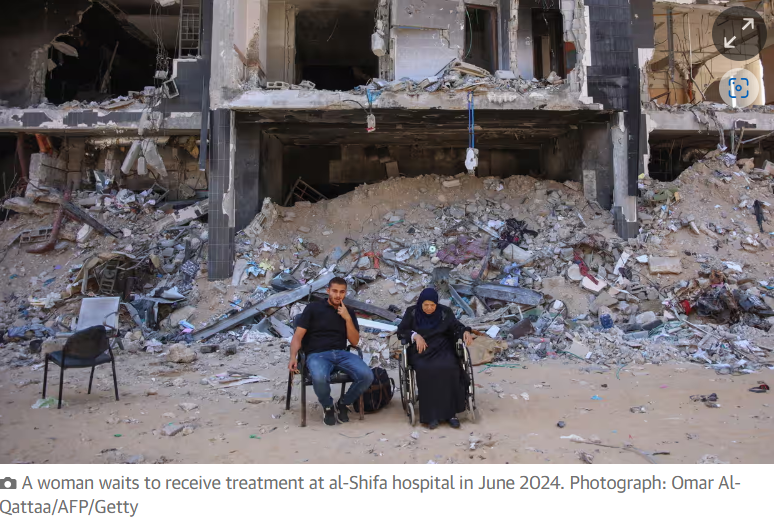
Medical professionals who worked in Gaza during the war have issued severe warnings about the long-term health impacts for Palestinians. They argue that while the immediate death toll is staggering, the true cost will unfold over the next several years. Specifically, they suggest that disease, malnutrition, and the destruction of Gaza’s healthcare system will significantly increase the death toll. In fact, it could even quadruple the current casualties. These warnings come from firsthand experiences of treating patients in Gaza’s overcrowded hospitals, such as al-Shifa and al-Ahli Arab, where doctors have witnessed both the immediate violence and its long-lasting effects.
Malnutrition Crisis in Gaza
A major concern, for example, is the severe malnutrition affecting Gaza’s children. Prof. Ghassan Abu-Sittah, a British Palestinian reconstructive surgeon, highlighted the dire consequences for children under five. Sadly, many are so malnourished that they will never fully recover. Furthermore, malnutrition in young children leads to lifelong developmental issues such as stunted growth, cognitive delays, and higher risks of chronic diseases like hypertension, diabetes, and heart disease. This situation has worsened due to shortages of food, clean water, and healthcare services.

UN Forecast on Childhood Malnutrition
Moreover, the United Nations predicts that by 2025, over 60,000 children in Gaza will need treatment for acute malnutrition. Many are already dying from hunger because of a lack of proper nutrition and medical care. The impact of childhood malnutrition is particularly alarming. Studies of World War II survivors show that those who suffered from malnutrition as children were more likely to develop diseases like diabetes, hypertension, and cardiovascular conditions. Similarly, children in Gaza face similar risks, with many sufferings irreversible health damage.
The Long-Term Impact on Child Health
Prof. Abu-Sittah emphasized that the mental and physical toll on children will be profound. In fact, studies show that children who survive malnutrition are more likely to develop heart disease, diabetes, and hypertension as adults. These non-communicable diseases (NCDs) are debilitating. For a population already suffering from war, rebuilding health will be a massive challenge.
Destruction of Healthcare Infrastructure
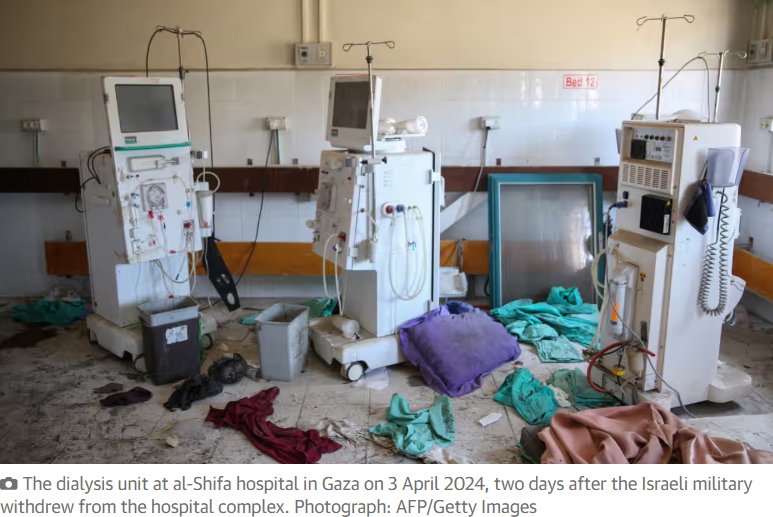
In addition to malnutrition, the destruction of Gaza’s healthcare infrastructure is another major factor that worsens the situation. Ongoing violence has devastated hospitals and medical facilities, leaving the healthcare system in tatters. For instance, many hospitals, including al-Shifa and al-Ahli Arab, have been severely damaged or destroyed.
Even operational hospitals are overwhelmed and under-resourced. Prof. Abu-Sittah mentioned a severe shortage of trained medical professionals, especially specialists. Unfortunately, the number of healthcare workers killed or forced to flee has depleted the healthcare system. Consequently, there is now a gap in medical expertise, particularly in critical areas like nephrology, emergency medicine, and cancer treatment.
Loss of Specialist Medical Staff
The loss of specialists is devastating. Prof. Abu-Sittah noted that Gaza’s healthcare system has lost entire teams of medical experts. Replacing them will take years, and training new professionals could take up to a decade. Meanwhile, available medical personnel are often overwhelmed by the number and complexity of the injuries they treat. Prof. Nizam Mamode, a retired British transplant surgeon, described the situation as catastrophic. Healthcare workers are struggling to treat a population suffering from both trauma and neglect.
The Spread of Infectious Diseases
Furthermore, the collapse of Gaza’s infrastructure, including sanitation and clean water facilities, has created conditions ripe for the spread of infectious diseases. The destruction of sewage systems and water treatment facilities has led to widespread contamination. Additionally, the lack of clean drinking water has fuelled outbreaks of diseases such as hepatitis, diarrhea, respiratory infections, and even the re-emergence of polio. Overcrowding in temporary shelters and the lack of housing further exacerbate the spread of disease.
Drug-Resistant Infections in Gaza
Abu-Sittah, who has worked in multiple conflict zones, described Gaza as having unprecedented levels of multi-drug-resistant bacterial infections. He recalled treating patients with infections resistant to multiple antibiotics, which are difficult to treat and require extensive resources. In Gaza, these infections often go untreated due to the lack of medical supplies and an overwhelmed healthcare system. Therefore, the spread of drug-resistant bacteria and the return of diseases like polio will significantly contribute to the long-term mortality rate.
The Psychological Impact of the War
The war’s psychological toll is another critical concern. Prof. Mamode warned that the mental health effects would become evident in the months and years ahead. While many in Gaza have focused on survival, the trauma of living through intense violence and loss will become a significant issue once the immediate threat subsides.
Mental Health Crisis in Gaza
Moreover, the constant fear of death, loss of loved ones, and displacement will lead to widespread mental health problems. These include post-traumatic stress disorder (PTSD), depression, and anxiety. This psychological damage will affect entire generations, particularly children who have grown up in an environment of violence and instability. The mental health crisis in Gaza is already a major concern. Addressing the needs of those affected will require long-term international support.
Long-Term Death Toll
While the immediate death toll from the war is tragic, experts warn that the long-term death toll could be even higher. Scientific estimates suggest the total number of deaths could eventually reach as high as 186,000, nearly four times the number reported by Gaza’s Hamas-run health ministry. Most of these deaths will result from non-trauma-related causes such as disease, malnutrition, and the collapse of the healthcare system. The destruction of medical infrastructure and targeting of healthcare workers has made it harder to provide necessary care.
Preventable Deaths in Gaza
Prof. Mamode emphasized that many of these deaths could be prevented. Specifically, those from diseases that could have been treated under normal circumstances. However, with the healthcare system in ruins and infectious diseases unchecked, the mortality rate will continue to rise. As a result, the true death toll will likely include many more preventable deaths.
Conclusion
The ongoing war in Gaza has caused immense destruction. Its long-term effects will continue to impact the population for years. While the immediate death toll is tragic, the true toll will be much higher due to malnutrition, disease, the collapse of healthcare infrastructure, and psychological trauma. British doctors’ warnings stress the urgent need for international intervention to rebuild Gaza’s healthcare system, provide medical care, and address the mental health needs of the population. A global effort is essential for Gaza to recover from the physical and psychological wounds of the conflict.
Courtesy of The Guardian
For article publication inquiries, feel free to get in touch.