

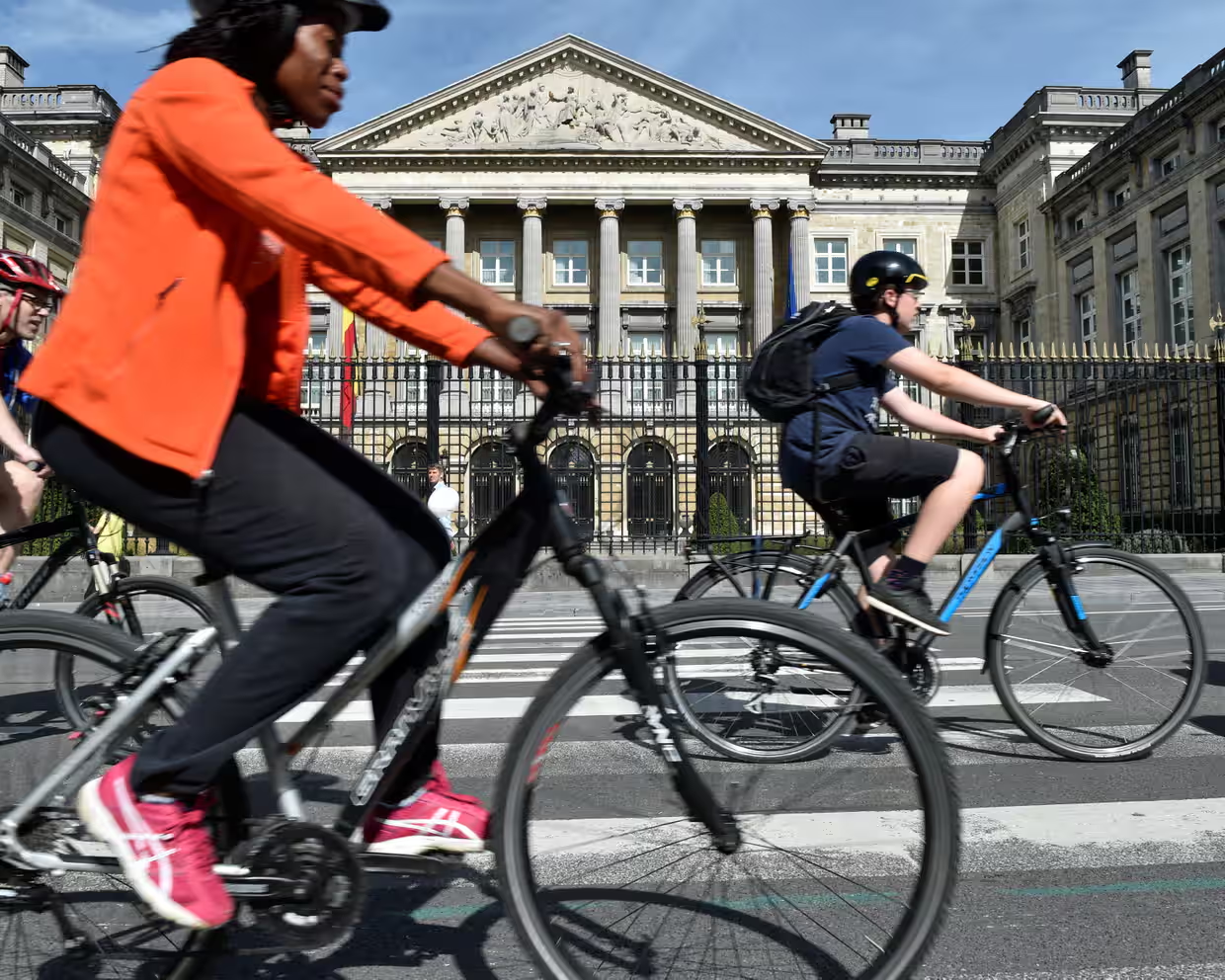
Low emission zones have proven to reduce air pollution and its harmful effects on health, according to recent research. In fact, a team in Belgium studied how traffic measures in Brussels, Antwerp, and Ghent helped improve air quality. Their findings clearly show these zones are an effective tool in fighting pollution.
How Low Emission Zones Work
The Belgian study focused on 420,000 members of the health insurer Mutualités Libres. Researchers compared pollution levels inside the zones with other cities. They found pollution dropped faster where the zones were active. This included harmful particles and nitrogen dioxide, a dangerous gas linked to health problems.
Moreover, the benefits spread beyond the zones. Cleaner air extended for at least 3 miles outside the restricted areas. This shows that these zones help the larger environment, not just the neighborhoods inside.
Health Benefits Seen in Medication Use
In Brussels, the rate of people using antidiabetic drugs grew more slowly than in other cities. These medicines help control blood sugar levels for people with diabetes. Therefore, the study suggests that cutting pollution may slow down the rise in diabetes cases.
Christian Horemans, a lead researcher, said the European Environment Agency links nitrogen dioxide to higher diabetes rates. Additionally, he added that their findings could hint at future effects on other diseases. Thus, this makes the long-term benefits of low emission zones even more important.
Why Long-Term Benefits Matter
Horemans emphasized the need to focus on the future. He explained that while these zones might cause some inconvenience, the health advantages outweigh them. For example, clean air means better health for children and future generations.
Evidence from the UK
Similarly, research in the UK supports these findings. Experts from the University of Bath studied London’s low and ultra-low emission zones. They compared London’s air quality to other large cities in the UK.
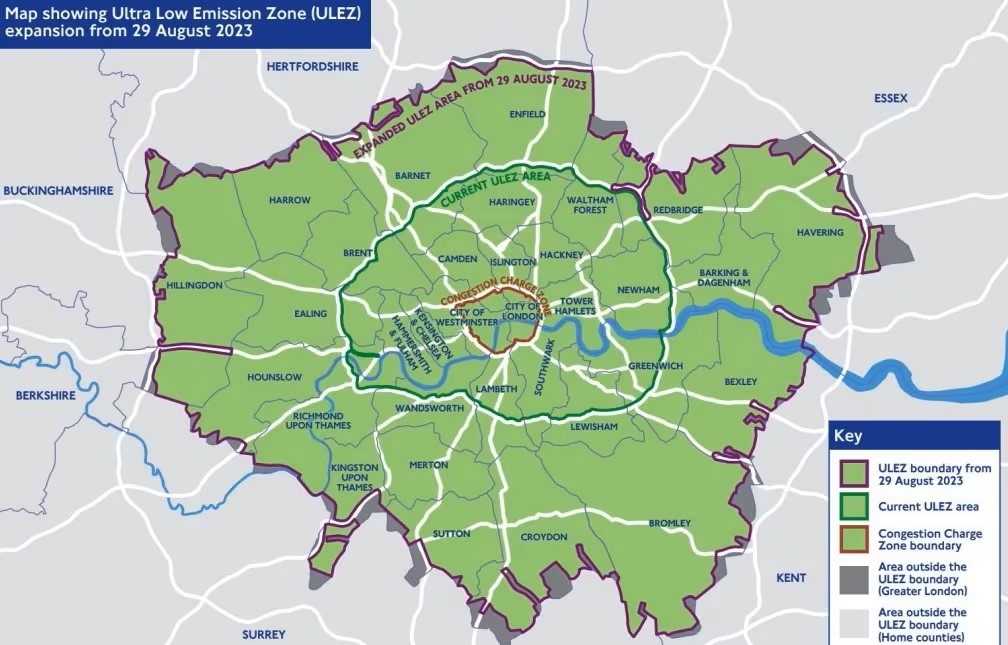
Their results showed major improvements in London after the zones were introduced. Central London, especially, saw a big drop in nitrogen dioxide levels thanks to the ultra-low emission zone. Therefore, this confirms that such policies can make a real difference in air pollution.
Impact on Health and Work
Researchers also looked at data from surveys on labor and population. Professor Eleonora Fichera explained their study found strong health benefits from these zones. For instance, respiratory health and mental well-being both improved. Plus, there was an 18.5% drop in the chance of taking sick leave.
Hence, this shows that low emission zones not only clean the air but also help people stay healthier and work better. Such benefits strengthen the case for expanding these zones to other cities.
Why Air Pollution Matters
Air pollution harms millions each year. It causes breathing problems, heart disease, and other health issues. Therefore, reducing pollution can save lives and lower healthcare costs. Low emission zones offer a clear way to cut pollution in busy urban areas.
Challenges and Moving Forward
Although successful, low emission zones face challenges. Some people find the rules inconvenient. Moreover, businesses may worry about costs or access. However, the long-term health gains are worth these short-term issues.
To maximize benefits, governments need clear plans. This includes fair enforcement and support for those affected. Also, public education can help people understand the benefits of cleaner air.
Conclusion
In conclusion, low emission zones prove to be an effective way to reduce air pollution and improve health. Studies from Belgium and the UK show these zones lower harmful gases and improve quality of life. While they require effort to implement, their long-term benefits make them worth it.
By expanding these zones, cities can protect public health and create cleaner environments for future generations. Cleaner air means fewer illnesses and healthier communities. Therefore, supporting low emission zones is a smart move for both people and the planet.
Courtesy of The Guardian
For article publication inquiries, feel free to get in touch