

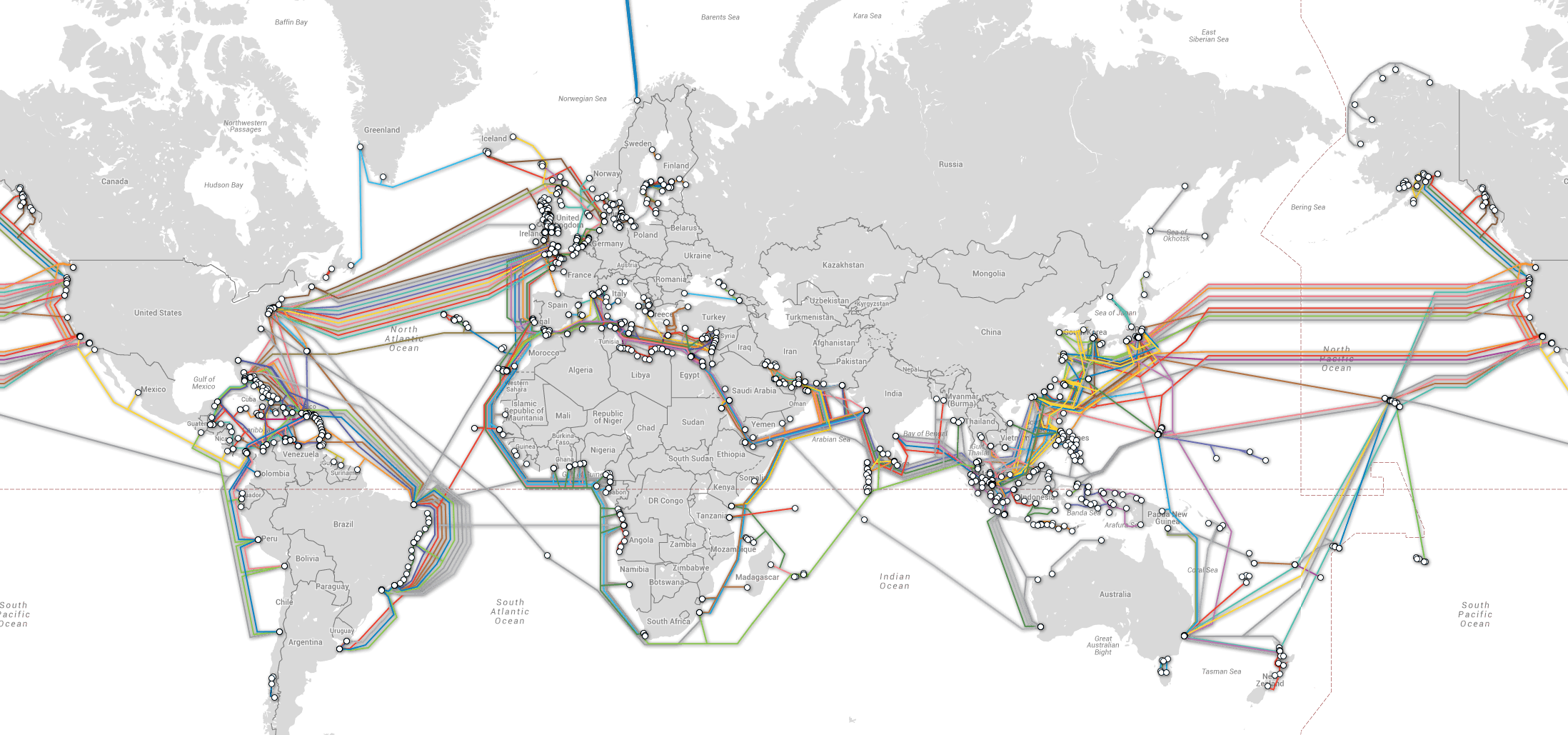
The European Union has given €14.3 million to AFR-IX Telecom. Therefore, this funding will help expand the Medusa cable network into West Africa. As a result, the goal is to improve internet access, making it faster and more reliable for people and businesses.
Medusa Cable to Improve Internet Access in West Africa
Currently, many parts of Africa struggle with slow or unreliable internet. For instance, this affects daily tasks like studying or working. The Medusa cable network will solve these problems. Originally, it was built to connect Mediterranean countries. Now, it will extend to West Africa, offering better internet for millions of people.
Moreover, the new section of the network is called Medusa Africa. By doing so, it will help by increasing speed and reducing problems. Additionally, by connecting more countries, the system will improve performance and reduce delays.
How Medusa Cable Provides Faster Internet
Medusa offers fast internet. It has 24 fibre pairs, each capable of sending 20 terabits of data per second. In total, the system spans over 8,700 kilometers. It connects 21 key points between Europe and Africa.
Furthermore, the system is designed to be reliable. If one part of the network fails, data will be redirected. This ensures that internet stays stable, even during high traffic periods.
EU’s Investment in Digital Infrastructure
The €14.3 million grant is part of a bigger EU effort to improve digital infrastructure. The European Union, in fact, is investing €420 million into various digital projects. Out of that, €142 million will go to subsea cable projects, including Medusa.
In addition, AFR-IX Telecom has received €3.7 million for the ATMED Malta project. This project, in particular, will connect Malta to Medusa. Moreover, other projects, like ATMED-DG, will also help improve connections between Europe and Africa.
Tunisia Joins the Medusa Cable Network
Tunisie Telecom has teamed up with AFR-IX Telecom. Together, they will create a fibre-optic link between Bizerte, Tunisia, and Marseille, France. This connection will offer speeds up to 20 terabits per second. In this way, Tunisia will connect better to the global economy.
Furthermore, the new link will lower costs and improve internet service in Tunisia for businesses and consumers alike.
Long-Term Impact of the Medusa Cable System
The Medusa cable is built to last for 25 years. Therefore, it will be available to many telecom providers. As a result, this will create more competition and lower prices. Consequently, internet will become more affordable for everyone.
In addition, the network will improve important services like education, healthcare, and business. Students will be able to access online learning. Doctors can reach more patients, and businesses can grow. Over time, Medusa will bring new opportunities to the region.
Medusa Cable Expands Across West Africa
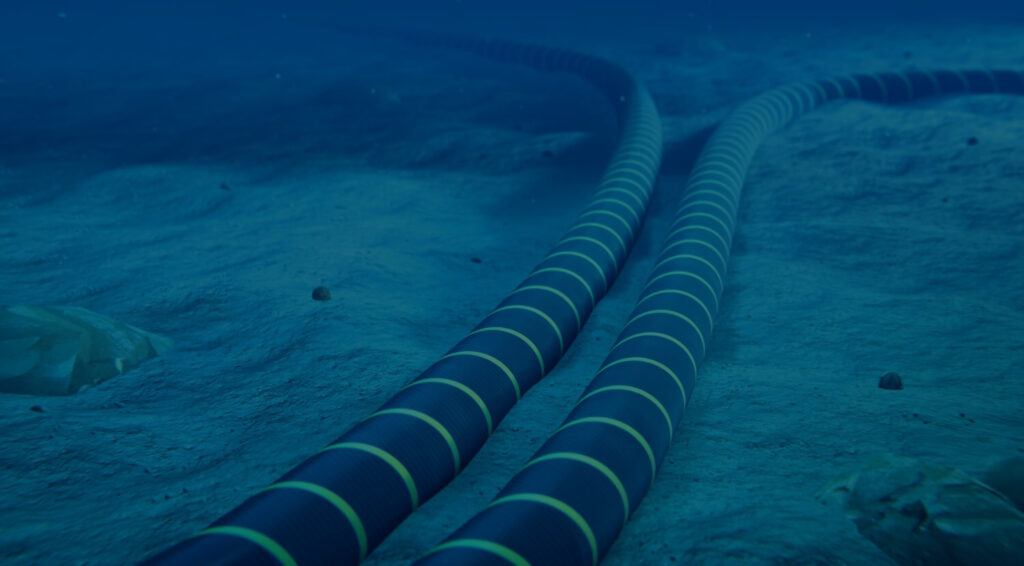
AFR-IX Telecom is surveying the seabed for new routes. One of these routes will connect the Medusa system to the Democratic Republic of Congo. Other routes will follow along the West African coast. By doing so, this expansion will reduce delays and provide faster speeds for more people.
Furthermore, this expansion will help more African countries join the digital economy. As a result, the network will also offer backup routes to make it more reliable.
The Role of Subsea Cables in Global Connectivity
Subsea cables are crucial for global internet connections. In fact, they carry most of the world’s data between continents. Medusa, specifically, shows how investing in subsea cables can improve digital access. The Medusa project helps bridge the gap between Africa and Europe. This investment will provide better services, create jobs, and support innovation.
Courtesy of Capacity Media
For article publication inquiries, feel free to get in touch.