

China has stopped purchasing liquefied natural gas (LNG) from the United States after placing tariffs on American fossil fuels. This change highlights a growing rift between the two global powers. The new tariffs took effect on February 10, and the impact was immediate. Data from ship tracking firms and Chinese customs confirm that American LNG shipments have now nearly ceased.
The keyword tariffs played a major role in this economic shift. While the United States accounted for only 3% of China’s natural gas imports last year, this limited share could now vanish completely. A deeper look at the situation shows how tariffs and global events have reshaped energy trade patterns.
Tariffs Prompt China to Cut American LNG Imports
Chinese authorities imposed a 15% tariff on LNG imports from the United States. This step was a response to earlier tariffs from the Trump administration. In retaliation, China placed duties on several American goods, including fossil fuels.
Before the new tariffs, China had already reduced its LNG imports from the U.S. Between November and January, imports slowed significantly. China’s customs data showed a sharp decline in volumes. At the same time, China increased its purchases from Russia. In fact, China bought four times more LNG from Russia than from the U.S. during the same period.
Only two LNG vessels from the United States were en route to China when the new tariffs were announced. One arrived and unloaded before the deadline. The second vessel changed course and docked in Bangladesh to avoid the added costs. This shift reflects the growing influence of tariffs on global trade routes.
Russian LNG Becomes China’s Preferred Option
Russia’s role in China’s LNG market has grown stronger. After the 2022 invasion of Ukraine, Europe decided to stop buying Russian gas. As a result, Russian gas became cheaper due to lower demand in Europe.
This price drop gave Chinese energy firms an opportunity. They were able to buy large volumes of LNG at reduced prices. This option made Russian gas more appealing than American alternatives. Because of lower transport costs and fewer tariffs, China turned to Russia for its energy needs.
Tariffs Shift Trade Patterns, Not Supply
Though China no longer receives much American LNG, Chinese firms still buy it. They now redirect those shipments to Europe. This allows them to profit from high energy prices there. Europe, facing gas shortages, pays premium prices for LNG from sources outside Russia.
Gillian Boccara, director at energy data firm Kpler, noted that tariffs did not disrupt global supply. “Trade flows are stable,” she said. “Prices and distance matter more. Sending gas to Asia from the U.S. often doesn’t make financial sense.”
In short, the LNG is still moving. It’s just going to different buyers. These shifts underscore how tariffs can change where goods go, even if overall demand remains high.
Impact on American LNG Industry
While trade continues, the American LNG industry may still feel the effects. Building export terminals in the U.S. has become more expensive. One reason is the tariffs on imported steel, which increase construction costs.
Broader trade tensions also pose a risk. If the global economy slows due to tariffs, demand for LNG may decline. Lower demand could reduce export volumes and hurt American energy companies.
Still, current high prices in Europe offer some relief. As long as the region needs gas and pays premium rates, U.S. producers will have buyers. But the long-term impact of tariffs remains a concern for the industry.
Rise and Fall of U.S.-China LNG Trade
In January 2020, the U.S. and China signed a trade agreement. It included a commitment from China to increase purchases of American energy, including LNG. Shipments surged soon after. In 2019, China imported only 268,000 tons of LNG from the U.S. That figure rose to 9.3 million tons by 2021.
However, the trend reversed quickly in 2022. After Europe stopped buying Russian gas, prices soared. American LNG was redirected to Europe, where it fetched higher prices. China, with access to cheaper Russian gas, stopped buying from the U.S.
By last year, U.S. LNG made up just 3% of China’s total imports. The once-promising trade relationship in LNG was now a distant memory.
Chinese Companies and Global LNG Markets
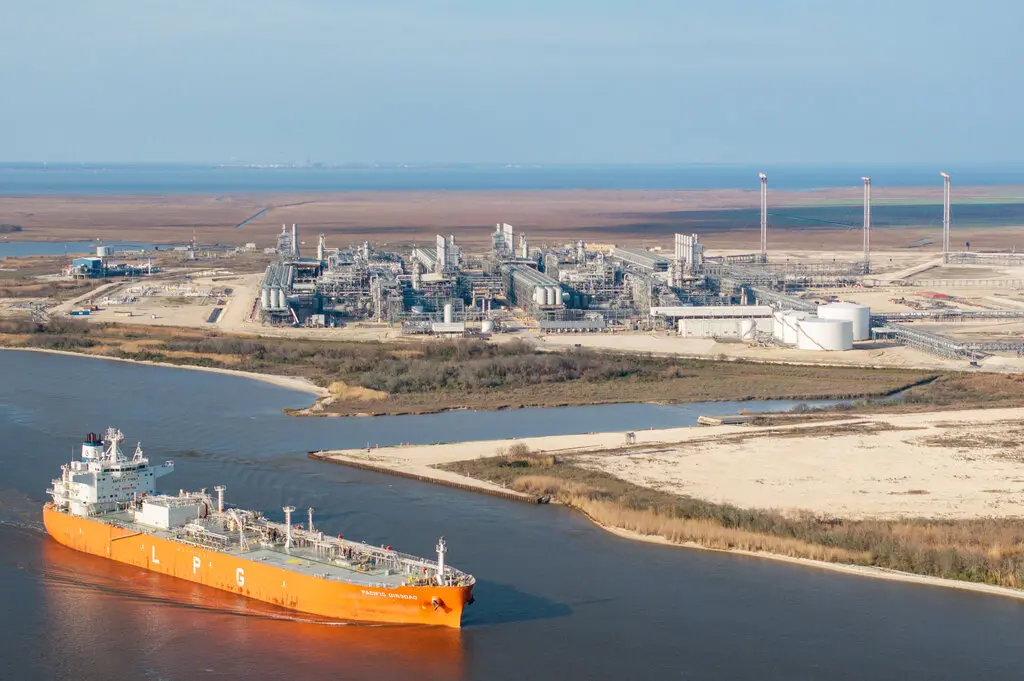
Chinese firms have grown into major players in global LNG markets. About six months before the Ukraine war, Chinese companies began buying large volumes of LNG on long-term contracts. By late 2021, nearly a dozen Chinese firms accounted for 91% of global LNG purchases under such deals.
Rice University’s Institute for Public Policy analyzed this trend. Experts there concluded that Chinese companies had “virtually monopolized global LNG procurement” during the final months of 2021.
These LNG shipments were not always meant for domestic use. After the war began, many cargos were sent to Europe. Chinese firms earned quick profits by selling gas at high prices. This activity showed how global markets can respond quickly to events—especially when tariffs are in play.
Tariffs May Hurt More Than Just Trade
While some believe tariffs protect domestic industries, they often have unintended results. In this case, tariffs may not reduce the overall flow of LNG. Instead, they change where that gas ends up and who profits from it.
The American LNG sector now faces pressure from both tariffs and rising construction costs. Export facilities rely on steel and other materials that are also subject to duties. These added costs make it harder for U.S. firms to compete globally.
Meanwhile, China’s energy strategy has shifted. With cheaper options from Russia and profits to be made in Europe, it no longer depends on American gas. Tariffs helped accelerate that shift.
Conclusion: Tariffs Redefine LNG Trade
Tariffs between China and the United States have reshaped the flow of LNG around the world. China no longer receives significant American gas shipments. Instead, it buys from Russia or sells American LNG to Europe.
These decisions are driven by price, profit, and policy. Tariffs add a layer of complexity that can steer trade in new directions. While the gas still moves, the destinations—and the players—have changed.
For now, U.S. exporters benefit from high demand in Europe. But long-term stability in the LNG market will depend on easing trade tensions and improving global economic conditions. If tariffs continue to rise, new challenges could emerge for energy firms on all sides.
Courtesy of The New York Times
For article publication inquiries, feel free to get in touch.