

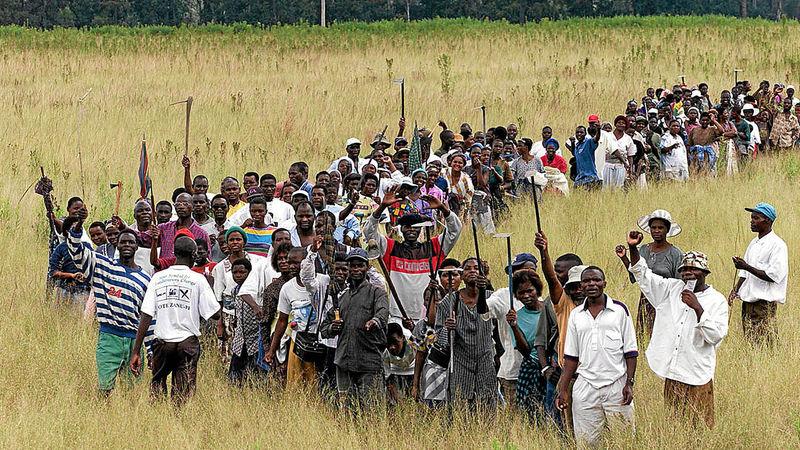
It has been 25 years since Zimbabwe began its land reform. Still, the country feels the fight over land deeply. Some white farmers have accepted a government deal. However, many others refuse it. Because of this, hope and anger fill the nation.
What Happened Before
In 2000, then-President Robert Mugabe launched the land reform program. At that time, 2,500 white farmers controlled much of Zimbabwe’s best farmland. Then, the government quickly seized their land and gave it to black families. Many of these families had faced land denial during colonial rule.
The reform aimed to fix past wrongs. Yet, it happened fast and often violently. Western countries reacted by imposing sanctions. Many businesses left. As a result, Zimbabwe’s economy crashed.
Learn more about Zimbabwe’s land reform history.
The New Deal
Now, Mugabe is gone. President Emmerson Mnangagwa wants to repair the damage. His government offered white farmers $3.5 billion—not for the land, but for buildings and dams they built.
However, only 1% of this was paid in cash. The rest came as treasury bonds. These bonds will mature in 10 years and pay 2% interest annually.
Two Views on the Deal
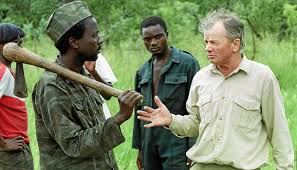
Arthur Baisley, 71 and in poor health, accepted the deal. “We can’t wait forever,” he said to the BBC. “It’s not perfect, but it’s something.”
On the other hand, many others refused. Deon Theron, also 71, says the government lacks real funds. Boxes from his farm loss in 2008 still sit packed. “We want cash, not promises,” he said.
The UK’s Role
The UK once promised to support Zimbabwe’s land reform financially. However, that promise faded in the late 1990s. Now, displaced farmers want Britain to return. “They can’t just walk away,” said Theron.
Recently, the UK removed Zimbabwe officials from its sanctions list. This move hopes to improve relations. See the official UK government statement.
Divisions Within Zimbabwe
War veterans who led land takeovers disagree. Some support the compensation deal. Meanwhile, others call it a betrayal. Some are suing the government. They say the deal was secret and lacked Parliament’s approval.
Godfrey Gurira, a veteran leader, said, “Hospitals have no supplies. People are starving. Why pay billions to those who had so much?”
Challenges for Black Farmers
Black farmers received 99-year leases. Banks reject these as loan security. Therefore, the government now requires farmers to buy their land. They must pay up to $500 per hectare.
The money will help pay white farmers. Still, many black farmers say this is unfair. They argue they shouldn’t buy back land taken to fix old wrongs. As a result, even black farmers disagree on this.
Learn about land ownership laws in Zimbabwe to see the full picture.
One Success Story
Despite challenges, some farmers succeed. Solomon Ganye got 20 hectares in 2002. He struggled at first—no money or machines.
However, with help from Chinese tobacco buyers, his sons built a thriving farm. They employ 200 workers. They grow quality tobacco and raise cattle.
Aaron Ganye, 25, said proudly, “We’re doing better than many white farmers.” He believes new farmers should only pay for inherited infrastructure.
What’s Next?
Zimbabwe’s farming is bouncing back. This year, farmers sold over 300,000 tonnes of tobacco—a record.
Therefore, the country hopes to fix the land deal to gain Western support. This support could help restructure Zimbabwe’s huge foreign debt.
See the FAO’s Zimbabwe agriculture profile for more info.
A Lasting Impact
Land reform changed Zimbabwe forever. It gave justice to some and loss to others. It caused pain and conflict.
Nevertheless, Zimbabwe still hopes to heal. Only through honest talks and compromise can the country move forward.
Courtesy of BBC
For article publication inquiries, feel free to get in touch