

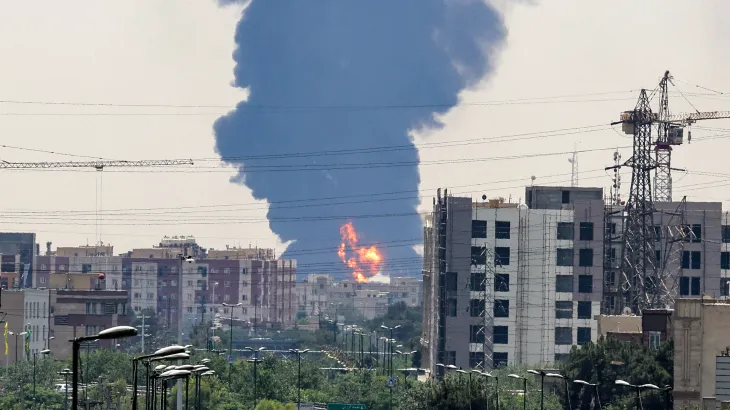
Iran retaliation has become a major topic of global concern. The U.S. launched airstrikes on three of Iran’s nuclear facilities. In response, Iran promised “everlasting consequences.” While the public threats are loud, private discussions in Tehran are more strategic.
Right now, Iran’s top military and intelligence leaders are considering all options. Should they strike back immediately? Should they wait and plan? Or should they avoid retaliation and turn to diplomacy? Each choice carries risks. But the goal is clear: protect the Islamic Republic and its power.
Iran’s First Option: Strike Now
Some Iranian leaders want action right away. They feel Iran has been humiliated—first by Israel, now by the United States. A fast military response might help restore pride and send a warning.
Iran Retaliation Against U.S. Military Targets in the Region
Iran has several U.S. bases it could target. These include bases in Iraq, Syria, and even Bahrain. Although Bahrain is close, attacking it might damage Iran’s ties with Gulf neighbors. Therefore, Iran might focus on smaller, isolated bases like At-Tanf or Ain Al-Asad in Iraq.
Naval and Proxy Attacks
Moreover, Iran has practiced “swarm attacks” in the Gulf. These involve small boats and drones launched in large numbers to overwhelm enemy ships. Iran might use this method against U.S. Navy vessels.
In addition, Iran could ask the Houthis in Yemen to strike U.S.-linked ships. These actions could block trade routes in the Red Sea and Indian Ocean.
Iran Retaliation Through Cyberattacks and Economic Disruption
Besides physical attacks, Iran could go digital. It has advanced cyber tools. These could damage U.S. companies, banks, or infrastructure.
Iran might also block the Strait of Hormuz. This narrow waterway is vital for global oil trade. Shutting it down would hurt the world economy. But it would also upset Iran’s Gulf neighbors.
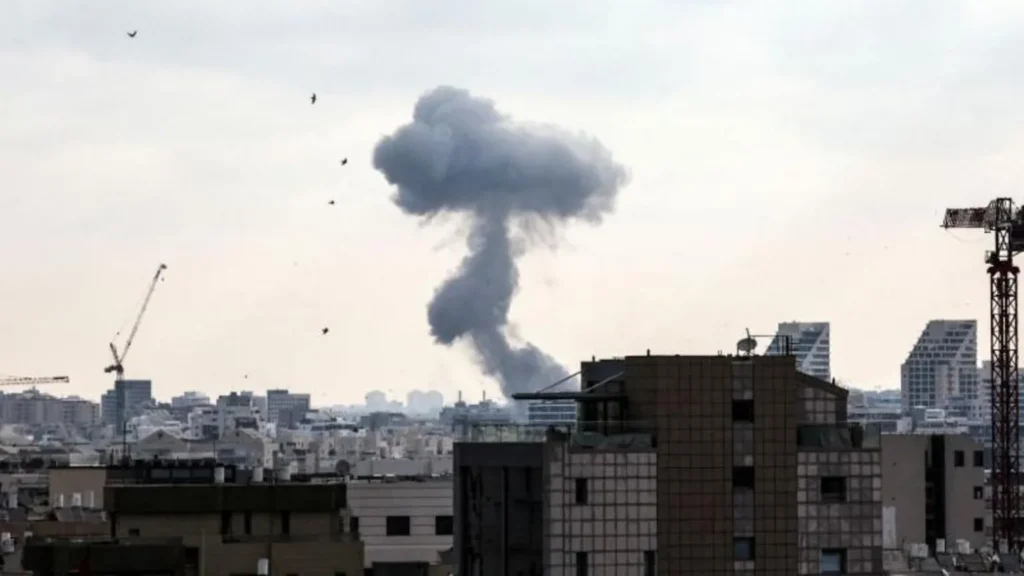
Iran’s Second Option: Wait and Strike Later
Another path is patience. Instead of acting now, Iran could wait until the U.S. lowers its defenses. Then, it could strike when the world least expects it.
Surprise Iran Retaliation Tactics Under Consideration
Later attacks could be more precise and better timed. Iran could target diplomats, military personnel, or trade offices. This approach carries less short-term risk. But if the U.S. identifies Iran as the source, it may respond strongly.
Planning and Flexibility in Iran Retaliation Strategy
By waiting, Iran gains time to plan. It also lets global attention shift elsewhere. When tensions calm, Iran could strike with greater surprise and impact.
Iran’s Third Option: Choose Diplomacy
Finally, Iran could decide not to retaliate. Although this would show restraint, it might also appear weak. Still, choosing diplomacy could prevent a larger war.
Talks and Conditions
Iran has said it never left negotiations. It blames Israel and the U.S. for ending past talks. If diplomacy resumes, it may happen in neutral cities like Muscat or Rome.
However, the U.S. and Israel have clear demands. They want Iran to send its uranium abroad for enrichment. Iran has long resisted this. Agreeing would mean big changes to its nuclear program.
Public Opinion and Risk
Doing nothing could calm tensions. But it may also anger Iran’s public. Many expect a strong answer. If Iran appears weak, it could lose support at home. That could threaten the regime’s control.
Global Impact of Iran’s Decision
No matter what Iran chooses, the world will feel the effects. Oil markets, trade routes, and global security are all at stake.
Economic Consequences
If Iran closes the Strait of Hormuz, oil prices may surge. Countries that rely on Middle East oil would suffer. This could trigger a global economic crisis.
Cyber Threats
In addition, Iran may also use cyberattacks. It has targeted banks, power grids, and government systems before. These attacks are hard to trace and can cause major damage without any missiles.
Conclusion: The World Is Watching
Iran retaliation could happen now, later, or not at all. Each path has costs. A quick strike could trigger a war. A delayed attack could bring surprise. Diplomacy could save lives but cost Iran political power.
Moreover, Tehran’s leaders must choose carefully. The wrong move could weaken their regime—or start a larger conflict. Whatever happens next, the world is watching.
Courtesy of BBC
For article publication inquiries, feel free to get in touch