

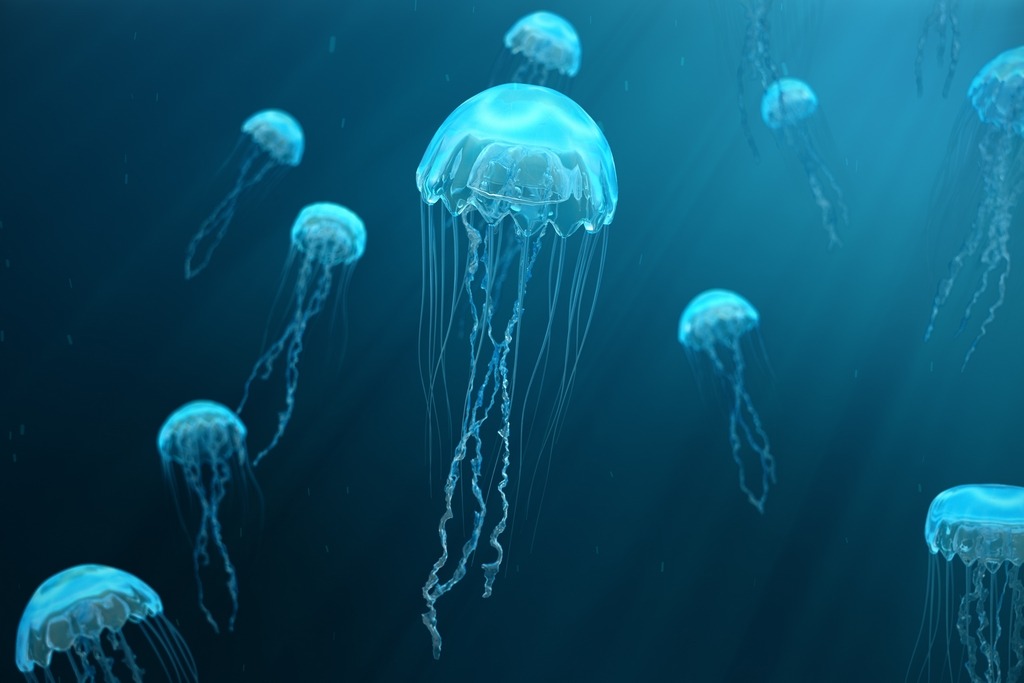
The National Coast Guard has issued a warning regarding the presence of jellyfish in the lagoon of Belle-Mare. This announcement was made early this Monday morning, urging fishermen, boaters, and the general public to exercise caution and take necessary precautions. The sighting of these marine creatures in coastal waters is not uncommon, but the situation requires immediate attention to ensure the safety of those enjoying the lagoon’s serene environment.
Jellyfish in Belle-Mare Lagoon: What You Need to Know
Jellyfish are fascinating marine organisms known for their graceful, yet potentially dangerous, presence in coastal waters. They belong to the class Scyphozoa and are found in oceans worldwide, from shallow coastal regions to the deep sea. In Belle-Mare, the sighting of these creatures has raised concerns due to their potential impact on marine activities and public safety.
Factors Contributing to the Presence of Jellyfish
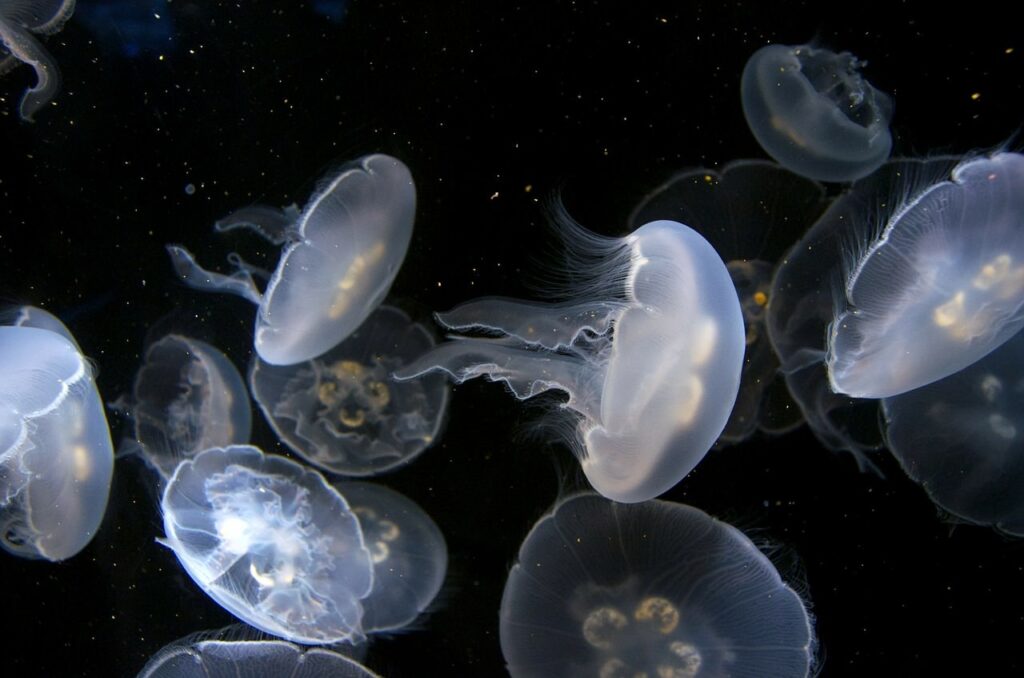
Several factors can contribute to an increase in jellyfish populations, leading to their presence in areas like Belle-Mare Lagoon. One of the primary factors is climate change, which affects sea temperatures and alters the distribution of marine species. Jellyfish thrive in warmer waters, and as sea temperatures continue to rise, their populations tend to expand.
Additionally, overfishing and pollution disrupt marine ecosystems, creating favorable conditions for blooms. Nutrient runoff from agriculture and sewage can fuel algae growth, which subsequently provides a food source for these organisms, allowing them to proliferate. These environmental changes make it essential for the community to be aware of their presence and take preventative measures.
Risks Associated with Stings
Stings from these marine organisms can cause discomfort and, in some cases, serious health issues. The sting can lead to intense pain, swelling, and, in extreme cases, allergic reactions or even life-threatening conditions. While most stings result in minor symptoms, the risk is enough to warrant caution, particularly for those who engage in water-based activities.
Precautions and Safety Measures
To ensure safety in Belle-Mare Lagoon, several precautions have been recommended:
- Avoid Contact: While stings are not always fatal, avoiding contact is the safest option. Swimmers, boaters, and fishermen should be cautious and remain vigilant during their activities.
- Wear Protective Gear: Swimmers and divers are advised to wear protective suits, gloves, and footwear to minimize the risk of stings. Additionally, using stinger suits provides a layer of defense against tentacles.
- Know the Species: Different species have varying degrees of toxicity. It is helpful to familiarize oneself with local species and their respective dangers.
- Immediate First Aid: In the event of a sting, rinsing the affected area with vinegar or saline solution can neutralize toxins. Applying heat, such as hot water, to the sting site can also reduce pain. It is crucial to seek medical attention for severe stings or allergic reactions.
Environmental Impact of Jellyfish Blooms
Blooms can have a profound impact on marine ecosystems. While they play a role in maintaining the natural balance of the ocean, overabundance can disrupt fisheries and other marine industries. Their presence can lead to declines in fish populations, affecting both commercial and recreational fishing sectors. Additionally, these blooms can interfere with coastal tourism, a significant economic activity in Belle-Mare.
Community Response and Awareness
The Belle-Mare community has been urged to report any sightings promptly. By doing so, timely interventions can be made to ensure that public safety measures are in place. Furthermore, environmental organizations and marine biologists are working together to study and mitigate the impacts of jellyfish blooms in the region.
With rising concerns about climate change and environmental degradation, understanding and managing populations has become a priority. Through collaborative efforts between the government, local communities, and scientific research, Belle-Mare aims to maintain the balance of its lagoon’s ecosystem while ensuring the safety of all residents and visitors.
Conclusion
The presence of these marine organisms in Belle-Mare Lagoon requires careful attention and proactive measures to safeguard the well-being of the public and marine life. With the help of precautionary steps and increased community awareness, Belle-Mare can effectively address the challenges posed by blooms and continue to enjoy its picturesque coastal environment.
Courtesy of Defi Media
For article publication inquiries, feel free to get in touch.