


Introduction
The issue of stray dog population in Mauritius has reached alarming levels, prompting urgent discussions on how to address it effectively. Immediately after the elections, Arvin Boolell, Minister of Agro-Industry, condemned the mistreatment of animals in Petit-Gamin and other areas. In a Facebook post, he announced a revision of the Mauritius Society for Animal Welfare (MSAW) policy. As a result, a comprehensive plan to address the stray canine population, drafted by Gaëlle Glover and her team, Gaëlle Glover and her team submitted it to the ministry.
Overview of the Dog Population Management Plan
Mauritius faces a growing stray canine crisis, with an estimated 300,000 canines roaming the streets. A new plan, submitted to the Ministry of Agro-Industry, aims to tackle this issue through mass sterilization, improved regulations, and strengthened animal welfare laws. The proposal also suggests financial support from international organizations and revised policies to protect abused animals. If implemented, this strategy this strategy aims to make the Mauritius Society for Animal Welfare (MSAW) a globally recognized entity, ensuring sustainable and humane stray canine management.
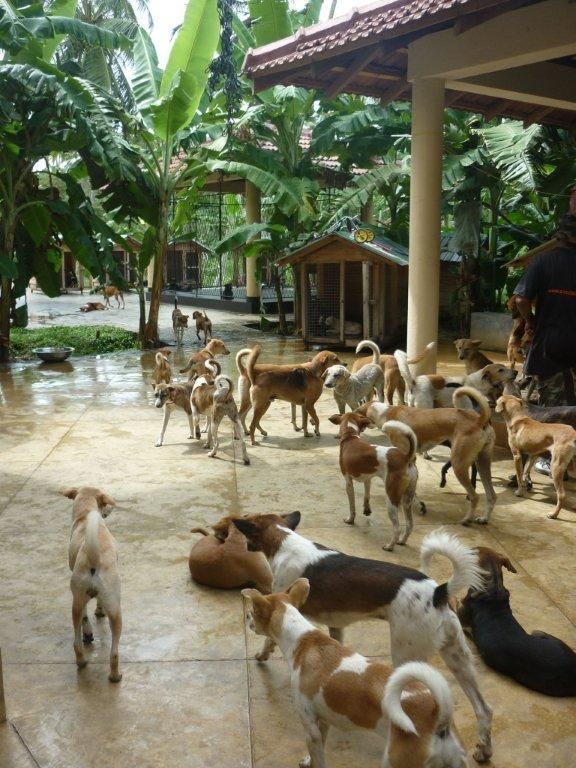
Current Situation: The Stray Dog Crisis
With about 300,000 stray canines, Mauritius faces a major public health and animal welfare challenge. The submitted document proposes a major restructuring of the MSAW, transforming it into an internationally recognized organization similar to the former Mauritius Society for the Prevention of Cruelty to Animals (MSPCA). This change would allow the organization to receive financial aid from international entities and foreign governments.
Proposed Solutions and Measures
1. Establishing Regional Dog Welfare Centers
One of the key proposals is to establish regional branches with designated reception areas for sick, mistreated, and abandoned canines. These centers would provide free medical care and rehabilitation services to facilitate their reintegration into society. Furthermore, the plan suggests partnerships with foreign veterinarians, particularly from India, who specialize in field interventions for canines.
2. Mass Dog Sterilization Programs
A cornerstone of the proposed strategy is the mass sterilization of stray canines. Healthy adult stray canines would be sterilized and then released back into their original locations. Moreover, to support this initiative, feeding stations would be installed across different regions, allowing volunteers and NGOs to feed stray canines without contributing to environmental pollution.
However, the document highlights a major challenge—current canine capture methods are ineffective and hinder sterilization efforts. The plan advocates for replacing net capture methods, deemed inhumane, with an advanced Dog Catch Unit equipped with anesthetic darts.
Legislative Changes for Effective Dog Population Control
1. Regulation of Dog Breeding and Imports
The proposal outlines strict regulations for canine breeding and importation. It calls for a crackdown on illegal breeding farms, where female canines are exploited until they are abandoned. To ensure responsible ownership, the document suggests that purebred canines be implanted with microchips and accompanied by an official health record validated by the MSAW or an accredited veterinarian. For imports, a ban or substantial taxation the document proposes strict measures to curb irresponsible canine trade practices.
2. Strengthening Dog Protection Laws
Current legislation needs significant revision to enhance canine welfare. The plan suggests granting the MSAW the authority to seize canines subjected to abuse and neglect. Stricter penalties, including substantial fines and prison sentences for serious offenses, the authorities must implement strict penalties to deter cruelty.
Additionally, another key recommendation is granting legal authorization for intervention on private properties in cases of suspected canine abuse, ensuring immediate action to protect animals in distress.
3. Revising Dog Quarantine Regulations
The proposed changes also address quarantine policies for pet owners relocating to Mauritius. Under the new framework, foreigners and returning Mauritians would be allowed to bring their canines without undergoing quarantine, provided they meet health requirements and present an up-to-date vaccination record.
Financial and Logistical Support for Dog Welfare
1. Reducing Costs for Dog Welfare Organizations
To ease financial constraints on canine shelters and welfare organizations, the plan recommends reducing taxes on locally produced canine food and common veterinary medicines. In addition, it proposes a mandatory system for supermarkets and food retailers to donate unsold but safe food items, such as pasta, rice, and meat, to shelters instead of discarding them. The logistics for such a process are deemed feasible within the plan.
2. Shared Financial Responsibility for Dog Population Management
Effectively addressing the stray canine crisis must involve more than just the Ministry of Agro-Industry. The document recommends financial contributions from the Ministries of Environment and Tourism to the mass sterilization program. Other potential funding sources include:
- International donations from global canine welfare organizations.
- A minor additional entry tax for tourists.
- An increased tax-free donation cap for individuals and corporations willing to support canine welfare initiatives.
Conclusion: A Call for Action in Dog Welfare
The proposed plan offers a well-structured and sustainable approach to managing the stray canine population in Mauritius. The government can improve canine welfare by establishing regional care centers, enforcing stricter breeding regulations, promoting sterilization programs, and securing financial support.
By working together, government ministries, international organizations, and local stakeholders, Mauritius has the opportunity to become a model nation in humane and effective stray canine management. The submission of this plan is a crucial first step towards creating a more compassionate and responsible society for both humans and canines alike.
Courtesy of L’express
For article publication inquiries, feel free to get in touch.