
The Hajj pilgrimage has begun in Mecca. Over 1.4 million Muslims are taking part. Saudi Arabia is boosting safety this year to prevent heat-related deaths. Last year, over 1,300 pilgrims died—mostly from extreme heat.
Safety Steps for the Hajj Pilgrimage
To protect pilgrims, Saudi officials planted thousands of trees. They also installed more than 400 cooling units. Temperatures may reach 44°C (111°F), so these steps are vital.
Moreover, children under 12 are banned from attending. Pilgrims without permits face a $5,000 fine and a 10-year ban from re-entry.
Last Year’s Tragedy
Most deaths in 2024 were among unregistered pilgrims. These pilgrims lacked access to air-conditioned tents, transport, and medical help. Many entered on tourist visas to avoid high costs.
Official Hajj packages cost between $4,000 and $20,000. Many people can’t afford them, so they risk going without.
Technology Helps the Hajj Pilgrimage
To enhance safety further, Saudi Arabia is using AI and drones to track crowds. As a result, authorities can prevent dangerous gatherings and manage movement more effectively. In addition, roads have been upgraded with rubber surfaces to stay cooler under the intense heat.
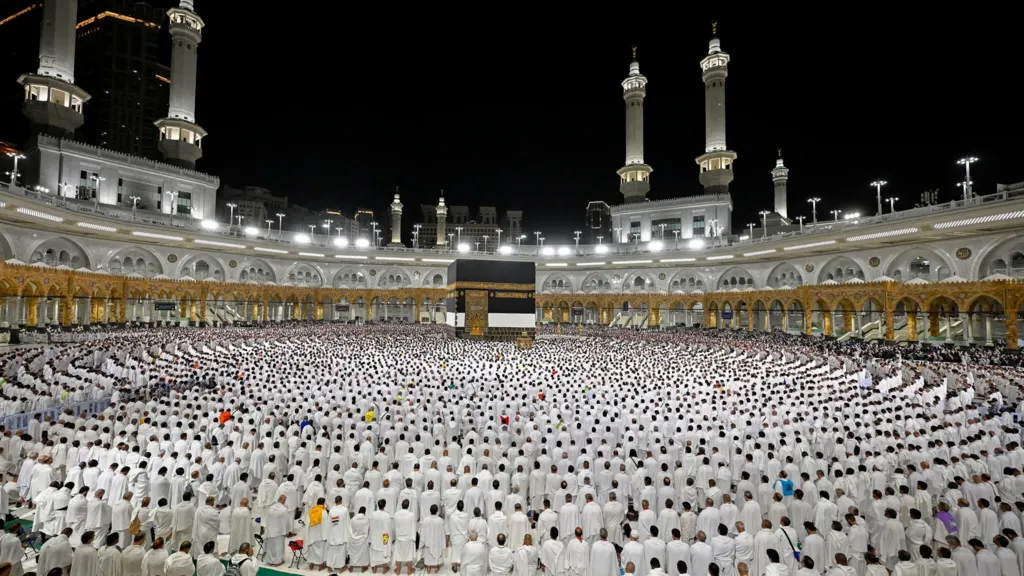
Moreover, the Grand Mosque features the world’s largest cooling system. This advanced setup helps keep the central Hajj site more comfortable for all pilgrims.
Rituals of the Hajj Pilgrimage
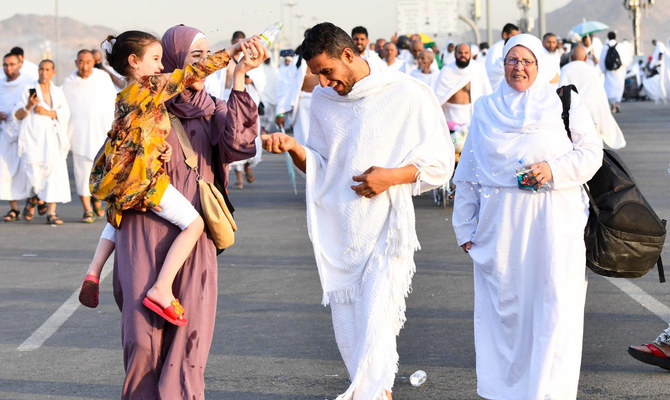
Male pilgrims wear two white cloths. Women dress modestly and cover their heads. The first stop is Mecca’s Grand Mosque. Pilgrims walk around the Kaaba seven times (tawaf). Then they walk between Safa and Marwa hills (sai).
Next, they go to Mina, 5km away. They sleep there in tents. On Thursday, they travel to Mount Arafat. The Prophet Muhammad gave his last sermon there.
Health Advice for the Heat
Saudi health officials urge pilgrims to avoid the sun from 10:00 AM to 4:00 PM. Pilgrims should use umbrellas and drink lots of water. Shaded areas have been expanded by 50,000 square meters. Medical teams and volunteers are ready to help.
Preventing Another Disaster
In 2015, over 2,300 people died in a stampede at Mina. Saudi Arabia has since improved safety. Better planning, tech, and roads are now in place. The focus is clear—keep everyone safe during the Hajj pilgrimage.
A Spiritual and Physical Journey
The Hajj pilgrimage is a core part of Islam. Every Muslim who can afford it and is healthy should do it once in their life. It is a journey of faith and unity.
This year’s event is a test of planning and endurance. Saudi Arabia hopes their new safety steps will make this Hajj safe for all.
For article publication inquiries, feel free to get in touch