

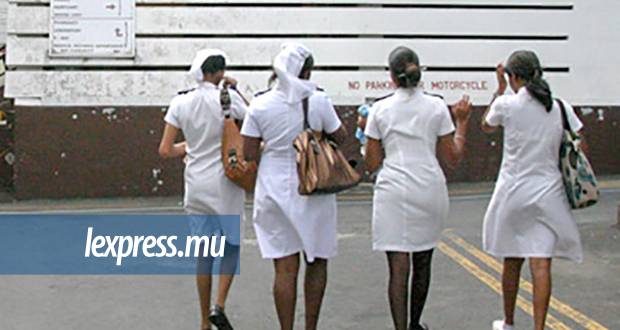
“We care for others, but who takes care of us?” This important question from Amarjeet Seetohul, president of the Ministry of Health Employees Union, reveals the harsh reality facing healthcare workers in Mauritius. At a press conference on International Nurses Day, he shifted the mood from celebration to a desperate call for help. He described the tiring and sometimes dangerous conditions health workers face across the country.
Seetohul spoke frankly. He called conditions in public hospitals, mediclinics, and health centres “extremely difficult.” He challenged the idea that medical mistakes happen because staff are careless. “Is it really the nurse or doctor’s fault, or does the real problem lie in the lack of staff and support?” he asked. His words sparked a national conversation in healthcare.
A System That Fails Frontline Workers
Seetohul reminded people that health and the economy are linked. “Without good health, the economy can’t grow. Yet healthcare workers still suffer,” he said. New hospitals and clinics are being built, but hiring and training new staff lag behind.
The ideal is one healthcare worker for every five patients. But in many places, one nurse cares for ten or more. “How can anyone give good care when staff are stretched so thin?” he asked.
Burnout: More Than Just Workload
The problem is not just numbers — it is about people. Specifically, healthcare workers face heavy emotional and physical strain. For instance, Seetohul spoke about workers collapsing on the job from stress. He explained, “No proper medical or psychological support is available. We talk about health at work, but forget those who provide care.”
Moreover, exhaustion is common. Nurses often work double shifts without breaks. In addition, many hospitals lack even basic places to rest or eat. Consequently, this raises a serious question: who cares for the caregivers?
Blaming Staff Without Fixing Problems
Seetohul criticized blaming nurses and staff for mistakes caused by bigger system failures. “Medical errors need fair investigation. But management must also take responsibility. If there are not enough staff, isn’t that a leadership failure?”
Blaming individuals hides the real issues. Without fixing the system, morale drops and more workers leave.
Safety: Healthcare Workers Are at Risk
Healthcare workers also face growing violence at work. “They are not just tired; they are unsafe,” said Seetohul. Reports of physical and verbal attacks, especially in emergency wards, are rising.
The union wants better safety. They ask for trained security, more police in hospitals, and cameras that prevent violence—not just record it afterward.
Retired Staff vs. New Workers
The Ministry of Health suggests bringing back retired staff. But the union doubts this will help enough. “We value their experience, but we need young, strong workers who can handle today’s challenges,” said Seetohul.
He urged the ministry to speed up training programs, like the Licensed Practitioner scheme. “We have made these suggestions. The ministry hasn’t responded.”
Seetohul also stressed quick action when a nurse gets sick. “Even one absent worker weakens the system. We must care for their health urgently.”
The Minister Speaks
Later, Health Minister Anil Bachoo spoke at a ceremony in Rose-Hill. The year’s theme was “Our Nurses. Our Future. Caring for nurses strengthens economies.” It highlighted nurses’ vital role in the country.
Bachoo admitted the system is short by about 1,500 workers, mostly nurses. “Nurses are the backbone of health care. But they carry double the workload because of staff shortages,” he said.
He blamed a hiring freeze over the past nine years for the crisis. “Nurses are exhausted despite their hard work,” he added.
Promises Met with Doubt
The minister promised to recruit more staff quickly, including contract workers. Furthermore, he acknowledged that nurses lack even basic rest areas in some hospitals.
However, many health workers remain doubtful. They point out that leaders made similar promises before but did not keep them. Ultimately, real change requires action, not just words.
Courtesy of Lexpress
For article publication inquiries, feel free to get in touch.