
Vladimir Putin was among the first global leaders to offer immediate assistance to Iran following a massive explosion at the Shahid Rajaee port, a crucial trade hub near the Strait of Hormuz. The devastating blast has caused widespread damage and resulted in a rising death toll, prompting an international response as Iran struggles to manage the aftermath.
The Explosion and Its Impact
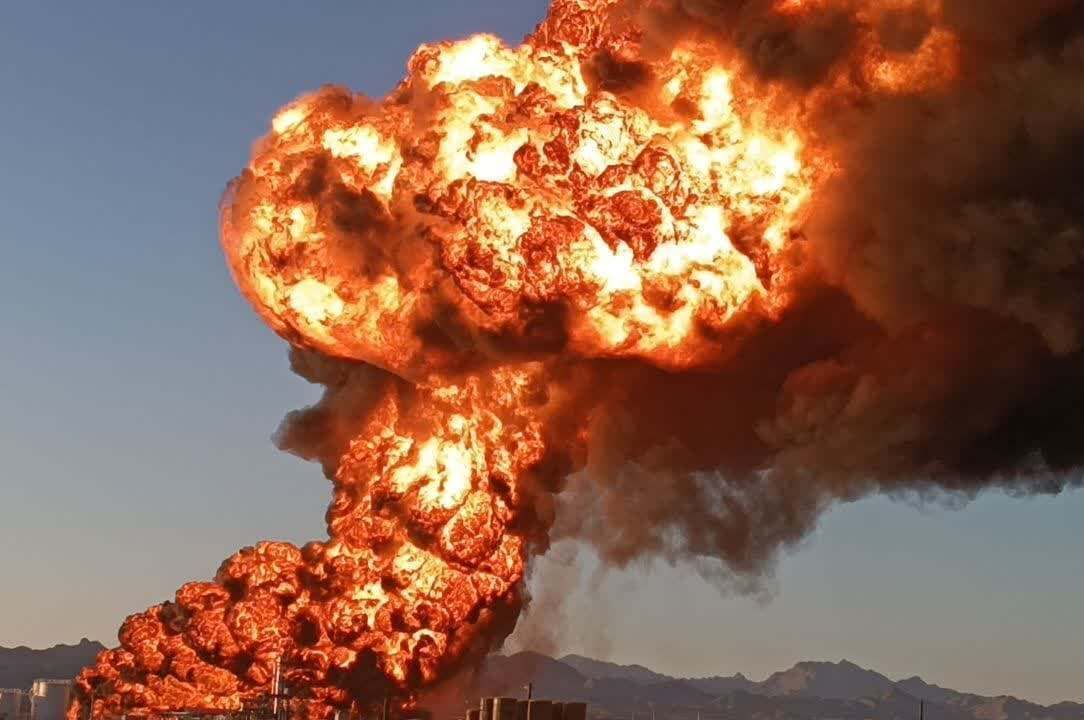
On April 26, 2025, a huge blast struck the Shahid Rajaee port in southern Iran. Thick smoke filled the air, and fires erupted across the area. Since this port handles the majority of Iran’s trade, the disruption has had serious consequences.
Firefighters worked through the night in an attempt to contain the blaze. However, even after 24 hours, some flames continued to burn. According to the health ministry, the explosion killed at least 28 people and injured more than 1,000. Furthermore, residents of Bandar Abbas — a city located 20 miles away — experienced significant health effects from the smoke and fallout.
As a result, authorities shut down schools and offices in the city. They also urged residents to stay indoors and wear masks to protect themselves from the polluted air.
In response, President Masoud Pezeshkian traveled to Bandar Abbas to personally oversee the rescue efforts. Meanwhile, the interior ministry launched an official investigation to determine the cause of the explosion. So far, however, no definitive cause has been announced.
What Might Have Caused the Blast?
Initial reports suggest that the explosion was accidental rather than intentional. Officials have emphasized that it was not a terror attack. Moreover, Tehran’s prosecutor has taken action against media outlets accused of spreading misinformation.
Video footage revealed that a small fire began in one shipping container and rapidly spread. Workers were seen fleeing moments before the massive explosion occurred.
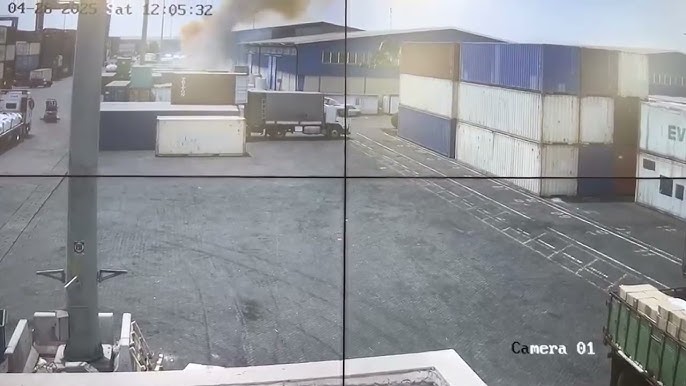
Experts believe that improper storage of chemicals, combined with extreme heat, likely triggered the fire. Additionally, they pointed out long-standing safety concerns at the port. While private companies had been contracted to conduct safety checks, this may have resulted in weaker oversight.
Russia Steps In to Help
Shortly after the incident, Russia extended an offer of assistance. President Putin expressed his condolences and pledged support. In a tangible show of solidarity, Russia dispatched rescue aircraft carrying firefighters and medical teams.
This swift response underscores the close relationship between Russia and Iran. More importantly, it highlights how countries can come together in times of crisis, setting aside political differences to provide humanitarian aid.
Talks Between Iran and the US Continue
At the same time, nuclear negotiations between Iran and the United States continued in Muscat, Oman. The two sides are working toward an agreement that would curb Iran’s nuclear activities in exchange for sanctions relief.
According to Iranian officials, the discussions have been progressing positively. Another meeting is scheduled soon. Nevertheless, although the explosion appears to have been accidental, it may still cast a shadow over ongoing diplomatic efforts.
Why the Port Matters to the World
The Shahid Rajaee port plays a vital role not only in Iran’s economy but also in global trade. Located near the strategically important Strait of Hormuz, it serves as a key node in international shipping routes.
Consequently, the explosion disrupted shipping operations and caused widespread delays. Even distant ports such as Liverpool in the United Kingdom may experience ripple effects. This incident clearly illustrates how interconnected global ports have become.
The Human Cost and What Comes Next
Beyond the economic toll, the explosion has inflicted immense suffering on families and communities. Some have lost loved ones, while others are grappling with injuries and trauma. Meanwhile, hospitals are working around the clock to treat the wounded. The health ministry continues to warn the public about poor air quality and has urged people to exercise caution.
Going forward, rebuilding the damaged port will require significant time and financial resources. Experts stress that swift and coordinated action is essential to minimize further disruption to trade and the economy.
Safety Concerns Raised
Unsurprisingly, the tragedy has sparked serious concerns about safety protocols at the port. Reports indicate that several safety inspections may have been skipped or inadequately conducted. In particular, reliance on private firms for oversight is now being questioned, as it may have contributed to reduced safety standards.
In response, the government has promised a comprehensive investigation and a revision of safety regulations. To restore public confidence, officials must handle the inquiry with transparency and a firm commitment to reform.
Conclusion: A Time for Global Support
In this difficult moment, Iran urgently needs international support. Russia’s rapid assistance demonstrates that global cooperation is not only possible but necessary.
Ultimately, this disaster is a stark reminder that local events can have far-reaching global effects. Ports like Liverpool and Bandar Abbas are part of the same intricate network. Now more than ever, safety, communication, and international teamwork are essential to ensure resilience in a connected world.
Courtesy of The Guardian
For article publication inquiries, feel free to get in touch.