

Meet Dr. Aparna Jaswal: A Pioneer in Heart Care
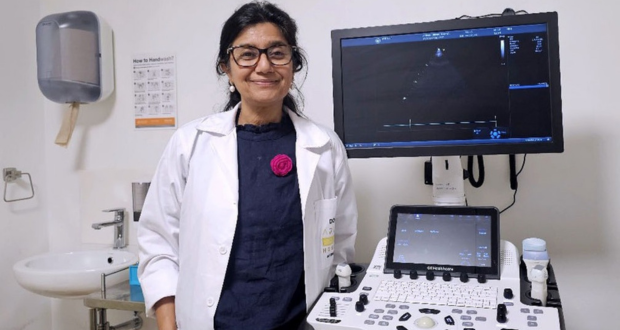
Dr. Aparna Jaswal is a top heart doctor in India. In fact, she was one of the first women to specialize in heart rhythm problems. These problems are called electrophysiology. Over the years, she has helped many patients with irregular heartbeats. Specifically, she implanted pacemakers to help them. Recently, she spent three days at Artemis Clinic in Mauritius. During her visit, she trained doctors and also checked on patients she treated more than 10 years ago. She knows every heartbeat is precious. Therefore, she stays positive and focused on saving lives.
Early Life and Education
Dr. Jaswal was born in Delhi. She grew up with her older sister, Dr. Alka Kumar, who is a famous surgeon. Their father was a civil engineer. Moreover, he studied at the Indian Institute of Technology. He always wanted his children to get the best education.
At first, Dr. Jaswal wanted to follow her sister into medicine. However, she soon found a passion for the heart’s electrical system. Consequently, she earned her medical degree in Andhra Pradesh. She graduated with a gold medal. Then, she studied cardiology in Delhi. Later on, she earned a doctorate in cardiac electrophysiology in the U.S. In 2007, she became a certified cardiac device specialist. She renewed this certification in 2017.
Overcoming Challenges in Cardiology
Only 5% of heart specialists worldwide are women. Because of this, it is hard for women to enter this field. Nevertheless, Dr. Jaswal sees this as a chance to prove herself. She says, “Patients often like female doctors because they are kind and caring.” She does not ask for special treatment. Instead, she works hard to be the best doctor she can be.
Today, she trains new heart rhythm specialists. Many of them are women from India and Nigeria. Furthermore, she teaches them that skill and hard work matter more than gender.
Pacemakers and Fighting Heart Disease
Why Pacemakers Are Needed
Dr. Jaswal treats two main heart problems:
- Atrial Fibrillation (AF): The heart beats irregularly. This can cause strokes. About 2% of older adults have AF. For those over 80, it rises to 8%.
- Heart Failure: This problem is becoming more common. It is linked to high blood pressure, diabetes, and lack of exercise.
Pacemakers and implantable defibrillators can save these patients’ lives. Therefore, early treatment is very important.
Types of Pacemakers
Pacemakers have changed over time. Dr. Jaswal explains:
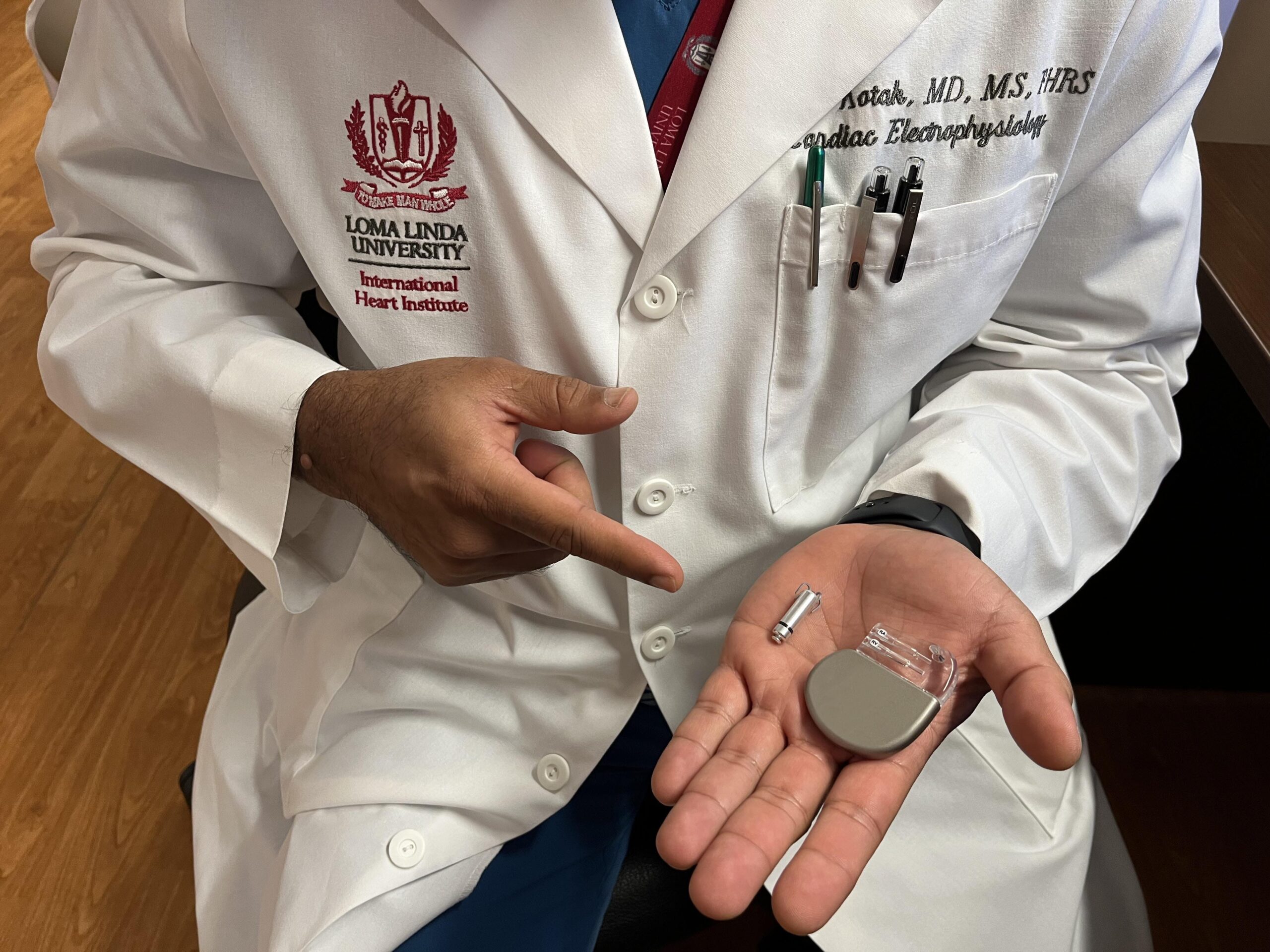
- Traditional pacemakers have wires under the skin to control the heartbeat.
- Wireless pacemakers go directly into the heart. As a result, they do not need wires.
She says, “The weak point of old pacemakers was the wire.” Consequently, wireless pacemakers last longer — up to 22 years. They also require fewer surgeries.
Who Should Get a Pacemaker?
People who may need pacemakers include:
- Those with slow heartbeats (bradycardia), as their hearts may not pump enough blood.
- Patients with very weak heart pumping (ejection fraction below 35%) often benefit from pacemakers.
- Athletes with thick heart muscles (hypertrophic cardiomyopathy), such as some football players, may require pacemakers to regulate their heart rhythms.
Dr. Jaswal advises at-risk patients to consult their doctors about implantable defibrillators. These devices, in fact, can be life-saving by preventing sudden cardiac arrest.
The Future: AI and Better Pacemakers
Artificial Intelligence (AI) is changing heart care. For example, AI can predict who might get atrial fibrillation or sudden heart problems. Also, smartwatches and other devices let doctors check pacemakers remotely.
Dr. Jaswal says, “AI will help patients get better results.” In the near future, AI will become part of regular heart care.
Global Impact and Legacy
For 25 years, Dr. Jaswal has led the heart rhythm department at Fortis Escorts Heart Institute in Delhi. She had chances to work in the U.S. However, she stayed in India to care for her parents.
Since 2010, she has also worked in Mauritius. She says, “Some patients I treated in 2010 had very weak hearts. Today, they are doing well thanks to their pacemakers.” Thus, her work touches many lives across countries.
Conclusion: A Message of Hope
Dr. Aparna Jaswal’s work in pacemaker technology shows skill and care. Moreover, she trains new doctors and uses tools like AI to save lives. Her legacy grows every day, one heartbeat at a time.
For article publication inquiries, feel free to get in touch.