

The Silent Threats in Space
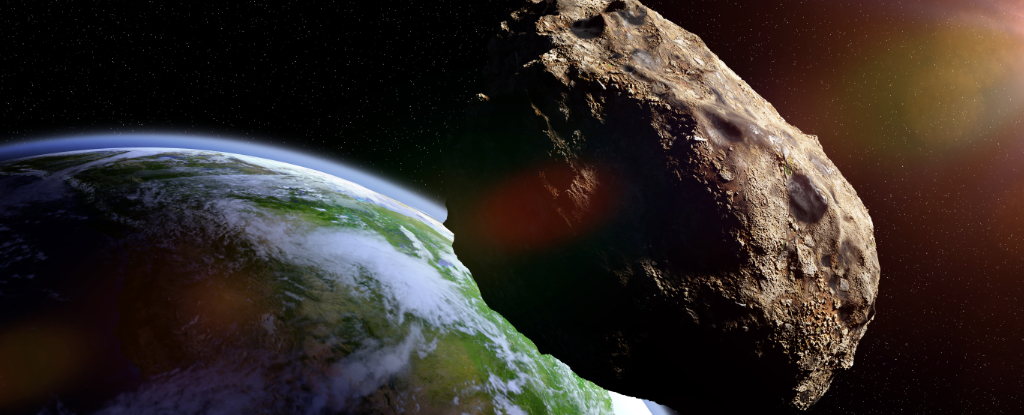
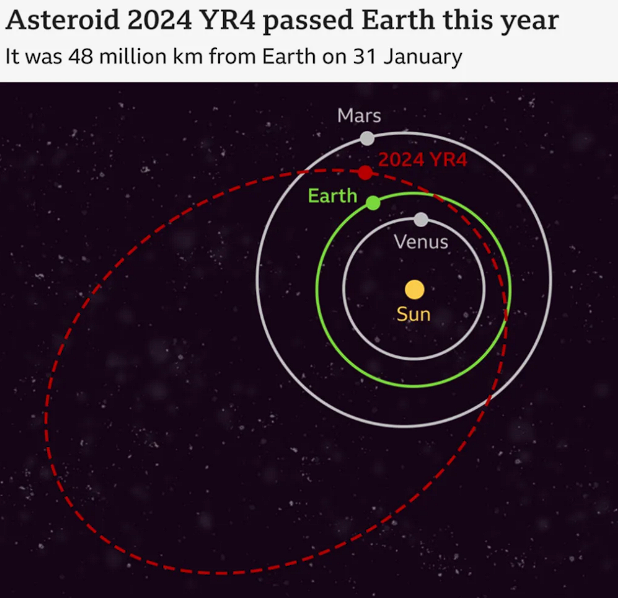
A large asteroid known as 2024 YR4 has recently made headlines. Initially, scientists raised its chances of hitting Earth, but later lowered them. The latest estimate suggests a 0.28% chance of impact in 2032. This is a significant drop from the earlier 3.1% prediction. NASA now believes it is more likely to hit the Moon, with a 1% probability.
Since its discovery in Chile two months ago, several other objects have passed closer to Earth than the Moon. In astronomical terms, this qualifies as a near miss. Smaller asteroids likely burn up in the atmosphere or strike Earth unnoticed. These are the minor planet fly-bys, near-misses, and impacts that often go unreported.
The Origins of Asteroids
Asteroids, also known as minor planets, are rocky remnants from the solar system’s formation 4.6 billion years ago. Their orbits are influenced by planetary gravity, often bringing them close to Earth.
Until the late 20th century, humanity remained unaware of how often large asteroids approached Earth. Professor Mark Boslough from the University of New Mexico explains that before modern monitoring, people were “blissfully oblivious.” Today, we know that planetoid at least 40 meters across pass between Earth and the Moon several times a year. One such object exploded over Siberia in 1908, injuring people and damaging buildings across 200 square miles.
Notable Near-Misses
One of the most serious near-misses was the asteroid Apophis. Discovered in 2004, it measures 375 meters across, roughly the size of a cruise ship. Initially, scientists feared it posed a serious risk. It took nearly a decade to confirm that it would not collide with Earth.
Professor Patrick Michel from the French National Centre for Scientific Research (CNRS) recalls the confusion during Apophis’ discovery. “We didn’t know what to do. We calculated an impact probability but had no clear response plan.” Governments and scientists were unprepared for such a threat.
The Impact of an Asteroid Strike
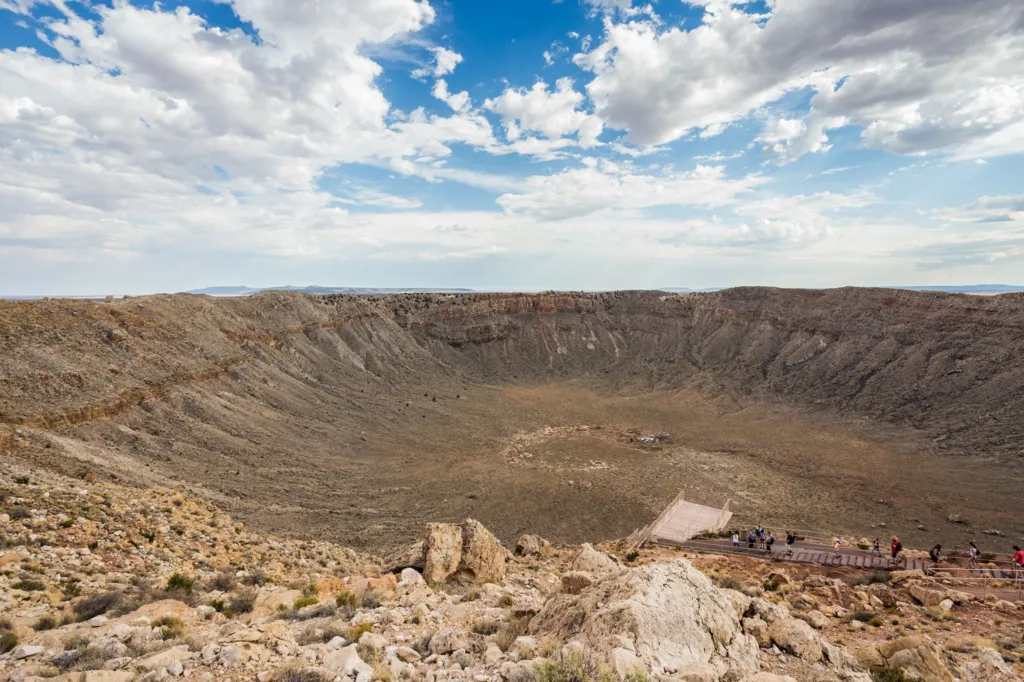
If a large asteroid strikes Earth, the consequences could be severe. Scientists have yet to determine YR4’s exact size, but estimates suggest it could be up to 90 meters across. If it remains intact upon entering the atmosphere, it could create a significant crater.
Professor Kathryn Kunamoto from Lawrence Livermore National Laboratory explains, “Structures in the immediate vicinity would be destroyed. People within dozens of kilometers would be at risk of serious injury.” In a populated area, such an event could result in casualties.
Advances in Planetary Defense against asteroid
Since Apophis, planetary defense has advanced significantly. Professor Michel is part of the Space Mission Planning Advisory Group, which advises governments on planetoid threats. The group also conducts rehearsal exercises for direct impacts.
If an asteroid were heading toward a city, experts compare the response to hurricane preparations. Evacuations and infrastructure protection would be key measures. The group plans to meet in April to reassess YR4’s risk. Most experts expect further observations to show a reduced threat.
Deflecting an Asteroid
Scientists are exploring ways to prevent asteroid collisions. NASA and the European Space Agency have developed technologies to alter minor planet trajectories.
NASA’s Double Asteroid Redirection Test (DART) successfully changed the path of the planetoid Dimorphos. However, experts remain skeptical about applying this method to YR4. Limited time and uncertainty about its composition make deflection challenging.
Learning from Asteroids
Not all minor planet strikes are catastrophic. Some provide valuable scientific opportunities. When asteroids land far from human settlements, researchers can collect material from deep space.
Antarctica has yielded nearly 50,000 asteroids. The most famous, ALH 84001, likely originated on Mars. It contains minerals that suggest Mars was once warm and had liquid water.
In 2023, scientists detected an asteroid called 33 Polyhymnia. It may contain an element denser than anything found on Earth. This discovery hints at the untapped scientific potential of asteroids.
Future Observations and Preparedness for future asteroids
Now that YR4 is more likely to hit the Moon, some scientists see an opportunity. A lunar impact could provide real-world data for minor planet models. Professor Gareth Collins from Imperial College London highlights key questions: “How much material is ejected? How fast does it travel? How far does it go?” Answers to these questions would refine impact predictions on Earth.
YR4 is a reminder that Earth remains vulnerable to asteroid collisions. Experts warn that it’s a matter of “when, not if” a large impact will threaten humanity. However, most believe this will occur centuries from now rather than in the near future.
In the meantime, minor planet monitoring continues to improve. The Vera Rubin Observatory in Chile will soon begin using the largest digital camera ever built. It will capture the night sky in unprecedented detail. The more we observe, the better we can prepare for future threats.
For article publication inquiries, feel free to get in touch.