
Gaza water crisis and aid deaths: Children face fatal thirst as conflict blocks life-saving supplies
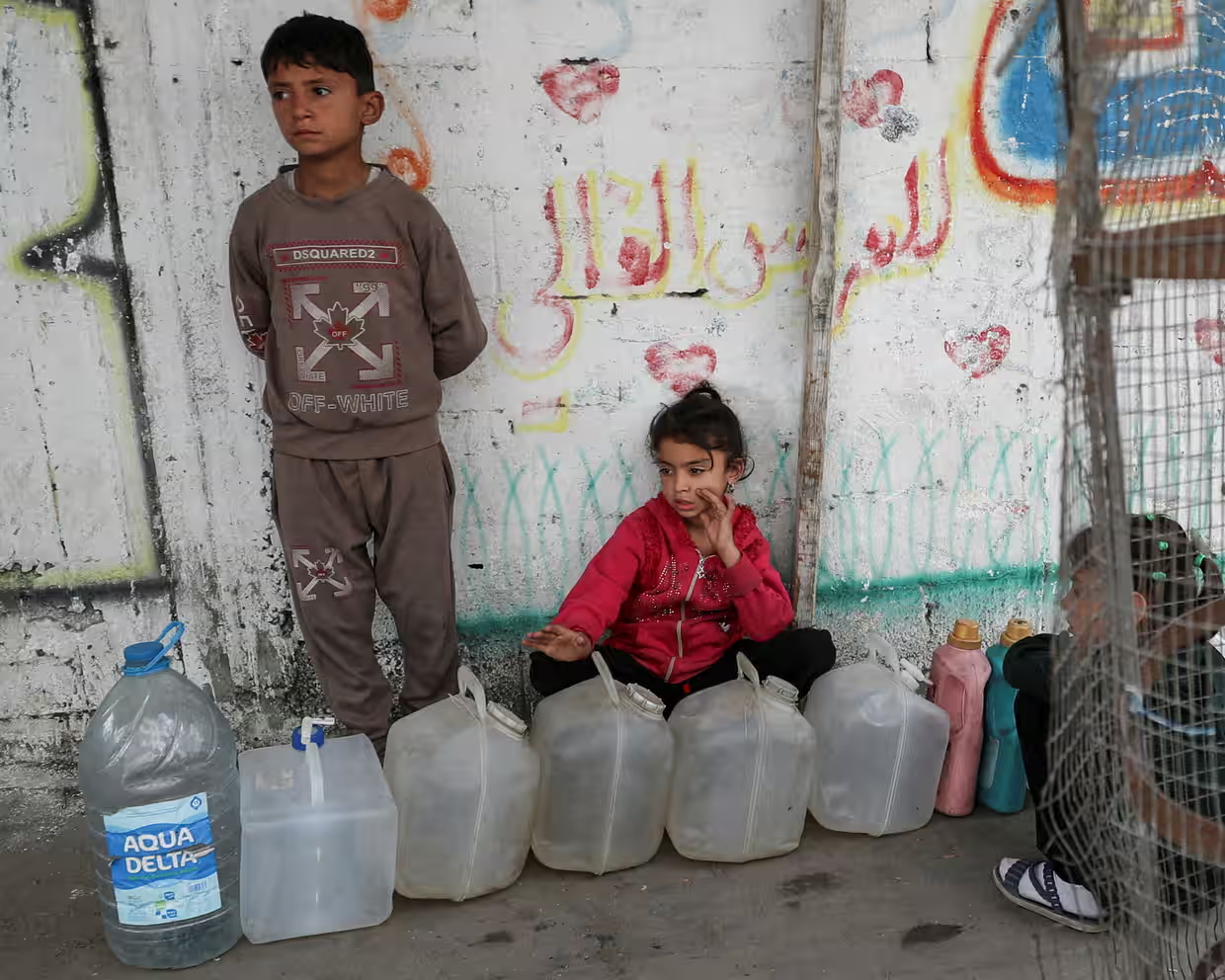
Gaza faces a growing crisis. Its water systems have collapsed, and Israeli attacks continue to kill civilians trying to get aid. Unicef warned that children in Gaza could soon die of thirst. Fuel shortages and destroyed pipes have stopped people from accessing safe drinking water.
On Friday, Israeli troops opened fire on people waiting for food. As a result, at least 24 Palestinians in central Gaza died. Airstrikes, meanwhile, caused more deaths in other areas. Medics said many victims had serious wounds. They had injuries to the chest or head. Moreover, women and children were among the dead.
Marwan Abu Nasser, who leads al-Awda hospital in Nuseirat, explained that his team treated 21 injured people and received 24 bodies. “People from all walks of life came for food. Many ended up dead or hurt,� he said.
Deadly search for aid
Many Palestinians now risk their lives to get food. In recent weeks, hundreds have died while trying to reach aid trucks or distribution points. The Gaza Humanitarian Foundation (GHF), supported by the US and Israel, runs these sites. However, this group replaced the UN system, which many say worked better. Therefore, aid agencies believe the new setup has made things worse.
For example, Khaled al-Ajouri from Jabaliya refugee camp went out early to try to get supplies. He stayed at a distance, hoping to stay safe. Suddenly, explosions hit the area, and shrapnel struck his leg and chest.
Israeli airstrikes also hit homes. One strike killed 12 people from the Ayyash family in Deir al-Balah. Mohammad al-Mughayyir, from Gaza’s civil defence, said strikes killed 43 people that day. In fact, 26 of them were waiting for food.
The Israeli military said it attacked 300 targets linked to militants last week. In addition, officials said one strike killed a senior fighter who helped bury hostages taken during the October 2023 Hamas attack.
Water crisis grows worse
Unicef said Gaza’s water crisis puts children at risk of death from thirst. James Elder, a spokesperson, shared stories of injured children. For instance, a boy died after a tank shell hit him while he waited for food. Elder said only 40% of water plants still work. Moreover, pumps and Gaza’s last desalination plant stopped when fuel ran out. Aid workers warned that fuel reserves are almost gone. Therefore, safe water is becoming even harder to find.

Israel cut power to Gaza’s desalination plants in March. Bombs destroyed pipes, reservoirs, and sewage plants. Without fuel and power, clean water stopped flowing. As a result, diseases have begun to spread.
Food shortage and aid chaos
Food supplies remain very low. Although Israel lifted its blockade a little, aid trucks face damaged roads and military limits. Strikes slow deliveries. Meanwhile, some drivers turn back because of danger. Hungry people often stop trucks before they reach aid sites.
GHF says it has delivered 30 million meals safely. However, UN groups say the system fails. They argue that it puts people in danger and blocks food from reaching those who need it most. The GHF posts updates on Facebook. Yet many in Gaza have no internet. Therefore, people often go to aid sites without knowing where it is safe.
The human cost
More than 55,600 people have died in Gaza since October 2023. Most were civilians. The war began after Hamas attacked Israel. That attack killed 1,200 people. Militants also took 251 hostages. At least 53 remain captive.
Unicef and aid groups want Israel to let fuel and supplies into Gaza. They also want safer ways to give out aid. Finally, they warn that without action, the Gaza water crisis and aid deaths will claim more lives. Children face the greatest risk.
Courtesy of The Guardian
For article publication inquiries, feel free to get in touch