

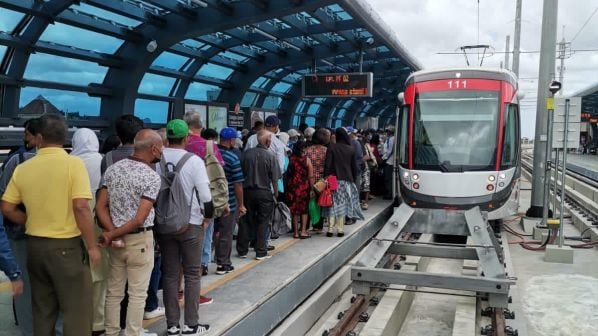
Growing Violence Against Public Transport Employees
In recent years, aggression against public service employees has increased, with Metro Express Ltd (MEL) workers frequently experiencing verbal and physical assaults while on duty. Violent attacks on ticket inspectors and security personnel have become more frequent, with the latest incident occurring on February 22 in Vacoas. This alarming situation raises concerns about the safety of frontline workers and the urgent need for stricter law enforcement to deter such acts.
The February 22 Incident: A Shocking Attack on Employees
On February 22, an assailant physically assaulted an MEL ticket inspector in Vacoas while she performed her duties. According to reports, she and her colleague boarded the tram at the Phoenix station, heading toward Curepipe. As part of their routine checks, they asked four passengers to present their tickets. However, only two of them had valid tickets.
Upon reaching the Vacoas station, the inspectors instructed the two passengers without tickets to pay for their ride, but they refused. Instead of complying, one of the men pushed the ticket inspector. His female colleague and a police officer on board intervened and forced the non-compliant passengers off the tram.
Outside the tram, one of the offenders escalated the situation further by slapping the female ticket inspector four times and threatening her. Despite being shaken, she identified the four individuals involved. Fortunately, CCTV cameras at the Vacoas station captured the incident, and authorities expect the footage to help them locate and apprehend the perpetrators.
Another Incident: Security Guard Assaulted in St. Louis
Just days before the Vacoas incident, another case of aggression against an MEL employee occurred. On February 16, an assailant brutally attacked a security guard stationed at St. Louis. A video of this assault quickly went viral on social media, sparking widespread outrage.
Following an investigation by the Criminal Investigation Division (CID) of Port-Louis South and the Crime Intelligence Unit, police arrested 23-year-old Jean Adriano Bienaimé on February 20 in connection with the attack. Officers found the suspect in Roche-Brunes and took him into custody. The violent nature of the attack has further fueled public concern over the safety of MEL workers.
A Recurring Problem: Why Are MEL Employees Targeted?
The surge in violent incidents against Metro Express employees highlights a troubling pattern. Ticket inspectors and security guards, responsible for maintaining order and enforcing travel regulations, frequently become targets of frustrated commuters. Several key factors contribute to this growing problem:
- Non-Payment of Fares: Many altercations arise when passengers travel without valid tickets. Instead of paying the fare or accepting the penalty, some individuals react aggressively, as seen in the Vacoas incident.
- Lack of Respect for Authority: Public transport workers often face hostility from individuals who see enforcement as an inconvenience rather than a necessity.
- Increased Stress and Frustration: Economic struggles, daily frustrations, and dissatisfaction with public transport services can lead to outbursts of anger, with MEL employees bearing the brunt of commuters’ emotions.
- Inadequate Legal Deterrents: Existing laws aim to protect public service workers, but the frequency of attacks suggests that offenders do not fear consequences. Stricter penalties and consistent law enforcement are necessary to curb this trend.
Legal Consequences for Attacking Public Transport Employees
Under current regulations, individuals convicted of assaulting Metro Express employees face severe penalties. Offenders risk fines of up to Rs 100,000 or imprisonment for up to seven years. Despite these legal provisions, attacks continue, indicating the need for proactive measures to enforce these laws effectively.
The Role of CCTV and Security Measures
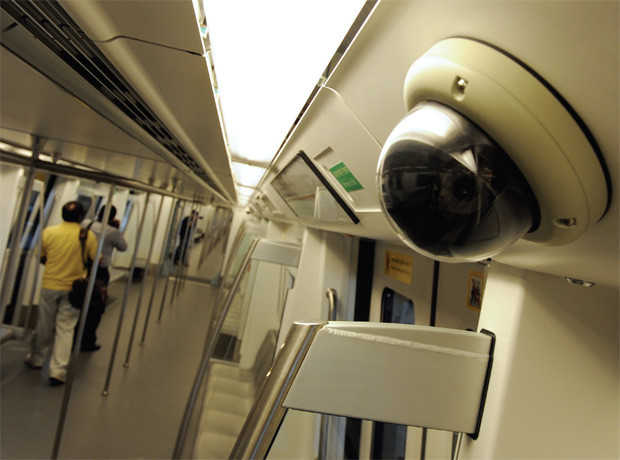
Metro Express Ltd has installed CCTV cameras at its stations to enhance security and provide evidence in cases of misconduct or violence. These cameras play a crucial role in identifying offenders, as demonstrated in the Vacoas case. However, while surveillance technology aids post-incident investigations, additional preventive security measures are necessary, such as:
- Increased Police Presence: Deploying more officers at key metro stations can deter aggressive behavior and provide immediate assistance during altercations.
- Stronger Security Personnel: Hiring additional security guards to patrol metro stations and trams can help prevent incidents before they escalate.
- Public Awareness Campaigns: Educating commuters on the importance of respecting public service workers and the legal consequences of aggression could help reduce violent incidents.
The Psychological Toll on Employees
Beyond physical harm, these attacks take a psychological toll on MEL employees. Constant exposure to aggression can lead to stress, anxiety, and job dissatisfaction. Many frontline workers report feeling unsafe, which affects their ability to perform their duties effectively.
Employers must recognize these risks and provide proper support mechanisms, such as:
- Counseling Services: Offering psychological support to employees who have experienced violent encounters.
- Self-Defense Training: Equipping workers with basic self-defense techniques to help them protect themselves.
- Better Reporting Systems: Encouraging employees to report every incident and ensuring that authorities take immediate action.
Community Involvement: A Collective Responsibility
Ensuring the safety of Metro Express employees requires a collective effort from law enforcement, MEL management, and the commuting public. Commuters should step in when they witness aggression and report incidents to authorities. Community engagement and mutual respect can help foster a safer environment for everyone.
Conclusion: Urgent Action Needed
The recent attacks on Metro Express employees highlight a growing safety concern that demands immediate action. The February 22 assault in Vacoas and the earlier attack on a security guard in St. Louis serve as stark reminders of the risks public transport workers face every day.
While legal consequences exist, stricter enforcement is necessary to deter future attacks. Increasing police presence, enhancing security measures, and promoting public awareness are critical steps toward reducing violence.
Public transport workers play an essential role in keeping the system running smoothly. They deserve respect, protection, and a safe working environment. The government, Metro Express Ltd, and the public must work together to ensure that these frontline workers no longer face unnecessary violence and hostility.
By taking collective action, we can build a safer and more respectful commuting culture—one where attacks on employees become a thing of the past.
Courtesy of Lexpress
For article publication inquiries, feel free to get in touch.