


AI Improves Prostate Cancer Treatment Decisions
A powerful new test powered by AI is changing how doctors treat prostate cancer. Consequently, scientists from the US, UK, and Switzerland developed this tool to find out which men would benefit most from a drug called abiraterone. The drug has already helped many men with advanced prostate cancer live longer. Now, this test can help extend its use to more patients in need.
Prostate cancer is the most common cancer among men in over 100 countries. Abiraterone has been a major breakthrough. It lowers the risk of death in men whose cancer has spread. However, in some places like England, it is not yet widely offered to men whose cancer has not spread.
How AI Is Helping Doctors Make Better Decisions
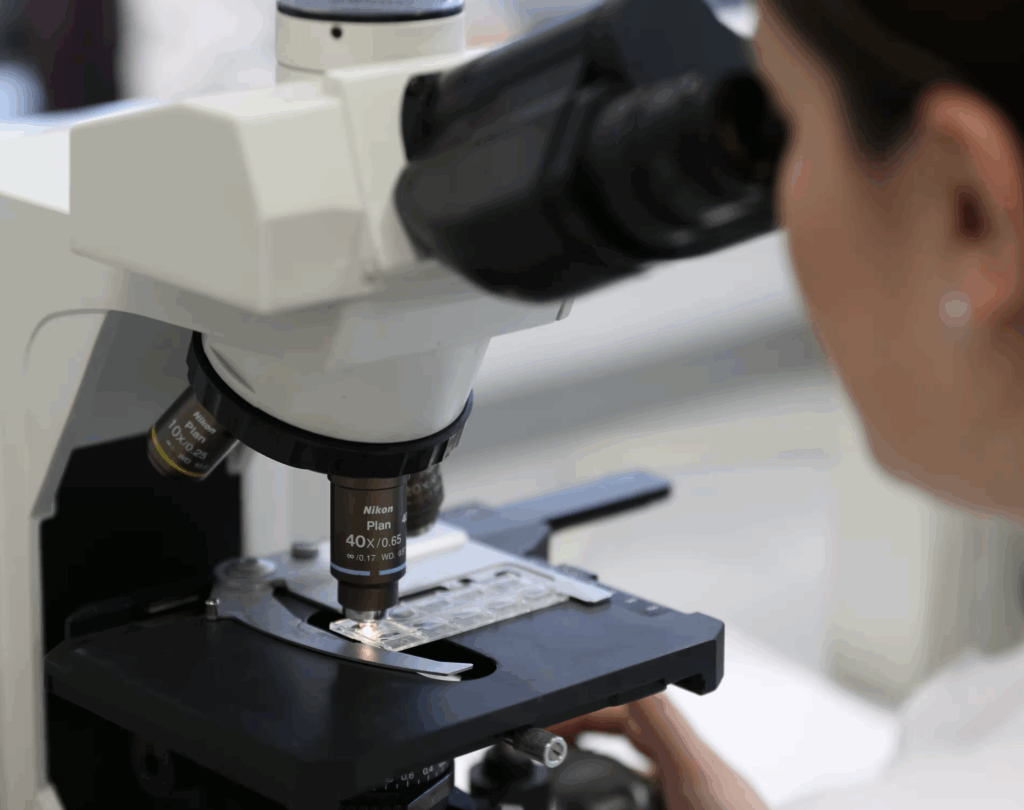
Moreover, this new test is a big step forward. It uses AI to study images of tumors taken from routine biopsies. The software spots patterns and details that human eyes often miss. These small details thus help doctors decide who should get abiraterone.
The project was led by the Institute of Cancer Research in London alongside the Royal Marsden NHS Foundation Trust. Professor Nick James, one of the lead researchers, called the test a major advancement.
He explained, “Abiraterone improves survival for many men with prostate cancer. This test helps us identify exactly who truly needs it.”
The drug does have side effects. It can cause high blood pressure and liver problems. It also slightly increases the risk of heart attacks and diabetes. This is why it’s important to avoid giving it to patients who won’t benefit much.
What the Study Found
The researchers tested the AI system on more than 1,000 men. These men had high-risk prostate cancer that had not yet spread. The study was supported by Prostate Cancer UK, the Medical Research Council, and a company called Artera.
Each patient in the trial received a score. Those with a positive result were the ones most likely to benefit from abiraterone. In fact, the findings were clear: 25% of the men had biomarker-positive tumors. For these men, taking the drug reduced their risk of death over five years from 17% to just 9%.
But for those with biomarker-negative tumors, the benefit was small. Their death risk went from 7% to 4%, which wasn’t considered a major change. These patients would do well with standard treatment like hormone therapy and radiotherapy.
Professor Gert Attard, a co-lead from University College London, said:
“This shows we can also use common biopsy slides to give patients better, more personal treatment.”
Why This Matters for Healthcare
The financial side also matters. Abiraterone costs about £77 per pack. That’s cheaper than many cancer drugs, but the costs still add up. If only the right people take it, hospitals can save money and reduce side effects.
Professor James added:
“This test shows exactly who should get the drug. As a result, it makes it easier to support wider use in the NHS.”
In Scotland and Wales, abiraterone is already approved for high-risk patients whose cancer hasn’t spread. England only offers it to men with advanced cancer. The new results could then help change that.
Reactions from Experts
Dr. Matthew Hobbs, research director at Prostate Cancer UK, described the new test as “exciting.” According to him, the AI tool allows doctors to clearly identify who truly needs the drug. As a result, it not only helps save lives but also reduces the risk of unnecessary side effects.
An NHS spokesperson responded as well. They said giving abiraterone to more men is a top priority. However, they need stable funding to expand its use.
“We already fund abiraterone for advanced cancer cases. We are also keeping an eye on new studies like this one, which could improve treatment targeting.”
The Growing Role of AI in Cancer Treatment
This project is another example of how AI is changing medicine. In cancer care, decisions are often complex. Additionally, new tools help doctors make those decisions with more confidence.
AI can see patterns that people can’t. That helps doctors predict how a patient will respond to treatment. It also ensures the right treatment goes to the right patient.
This isn’t just about prostate cancer. In the future, similar AI tools may help treat many other diseases too. It shows how combining data science with medical care can improve both results and costs.
Final Thoughts
Overall, this new test is a gamechanger. It clearly shows who truly needs abiraterone—leading to fewer side effects, lower costs, and better care for patients.
By harnessing AI effectively, we are moving closer to truly personalized medicine. As a result, treatments will become more accurate, lives will be extended, and healthcare systems can better allocate their resources where they matter most.
Courtesy of The Guardian
For article publication inquiries, feel free to get in touch