

A Ruthless Red Bull Strategy
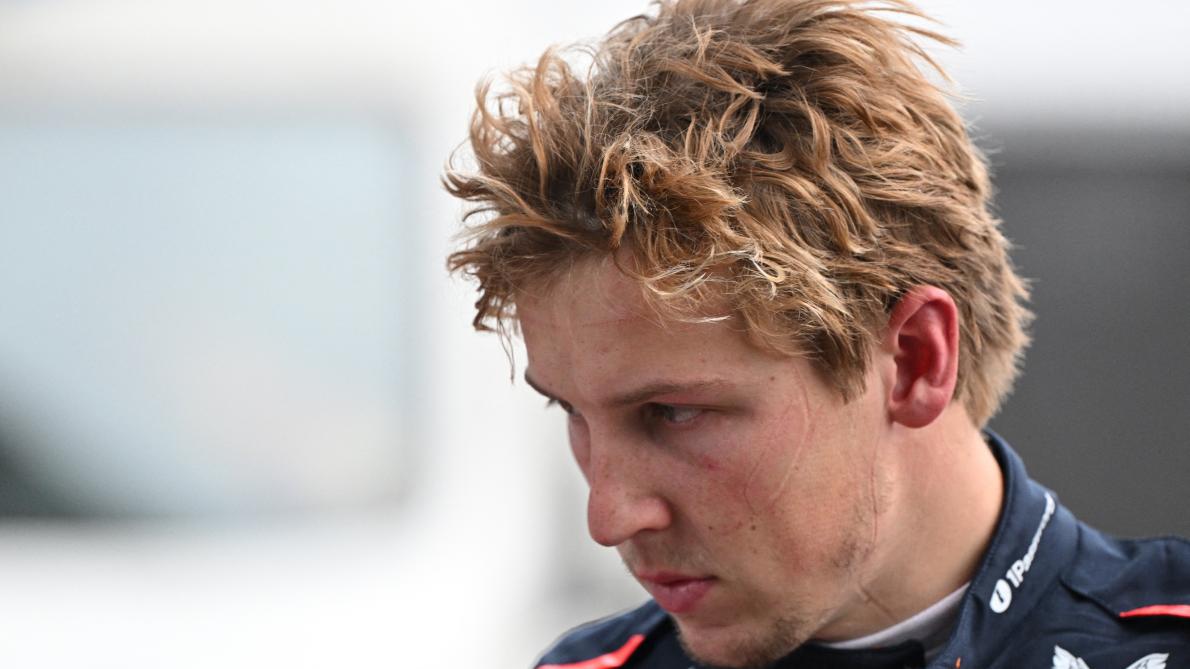
Red Bull Racing is known for its aggressive and unforgiving approach to managing its driver lineup. With four seats across Red Bull and its sister team Racing Bulls, the organization constantly pressures drivers to perform—or be replaced. A glaring example of this system is how quickly Liam Lawson was dropped in favor of Yuki Tsunoda after just two races in the 2025 season. The team’s main focus is optimizing everything around Max Verstappen, their dominant lead driver.
Verstappen Rise and the Ruthless Red Bull System
Max is no stranger to Red Bull’s brutal internal politics. In 2016, he was promoted from Toro Rosso after just four races, replacing Daniil Kvyat. In his first race with Red Bull, he won—setting the tone for his career. Since then, the team has tailored itself around him. The car suits his aggressive driving style, and he has won four world championships, becoming Red Bull’s centerpiece.
Daniel Ricciardo: The First Challenger
When Verstappen joined Red Bull in 2016, Daniel Ricciardo had already established himself with two seasons. Initially, the two were evenly matched, each taking one win in 2016, with Ricciardo even outscoring Verstappen overall. However, by 2018, the balance had shifted. Verstappen’s consistency improved, while Ricciardo fell behind. Feeling sidelined and seeking a fresh challenge, Ricciardo left for Renault. Though Red Bull’s management claimed otherwise, Ricciardo said he didn’t flee the fight—he wanted a new opportunity after failing to win a title.
Gasly’s Short-Lived Opportunity with Verstappen
Pierre Gasly was promoted to Red Bull in 2019 after performing well at Toro Rosso, but his stint with the main team was brief. In just 12 races, Gasly didn’t secure a podium, while Verstappen won two Grands Prix. Gasly never outperformed Verstappen and was demoted mid-season. Years later, he admitted the situation was unfair but acknowledged that Formula 1 isn’t always just. He later found redemption with a win at the 2020 Italian Grand Prix while driving for AlphaTauri (now Racing Bulls).
Alexander Albon: Under Pressure
After Gasly’s demotion, Alexander Albon joined Red Bull in 2019 with limited experience. Though he showed potential, he struggled to match Verstappen’s pace. In 2020, Albon achieved two podium finishes but remained in Verstappen’s shadow. He was dropped at the end of the season. Albon later explained that Verstappen’s unique driving style influenced car development, making it harder for him to adapt. As the car evolved to suit Verstappen, Albon lost confidence, which led to his exit.
Sergio Pérez: Experience Falls Short
In 2021, Red Bull hired Sergio Pérez, hoping his experience would bring stability. While Pérez won six races over his Red Bull career, he never seriously challenged Verstappen’s supremacy. As Verstappen claimed championship after championship, Pérez’s performance plateaued. By 2024, Red Bull’s dominance waned, exposing the growing gap between the two. While Verstappen contended with rising stars from McLaren, Pérez went winless and ended his season in a disappointing eighth place, describing his final months in Formula 1 as some of the most difficult in his career.
The Lawson-Tsunoda Swap: Business as Usual
In early 2025, Red Bull replaced Liam Lawson with Yuki Tsunoda after just two races. Lawson, seen as a rising talent, didn’t even get a full season. The swap occurred with minimal public justification but follows Red Bull’s history of quick decisions and low tolerance for underperformance. The team’s priority remains aligning everything with Verstappen’s trajectory, often sacrificing developing talent for short-term results.
A Team Built Around Verstappen
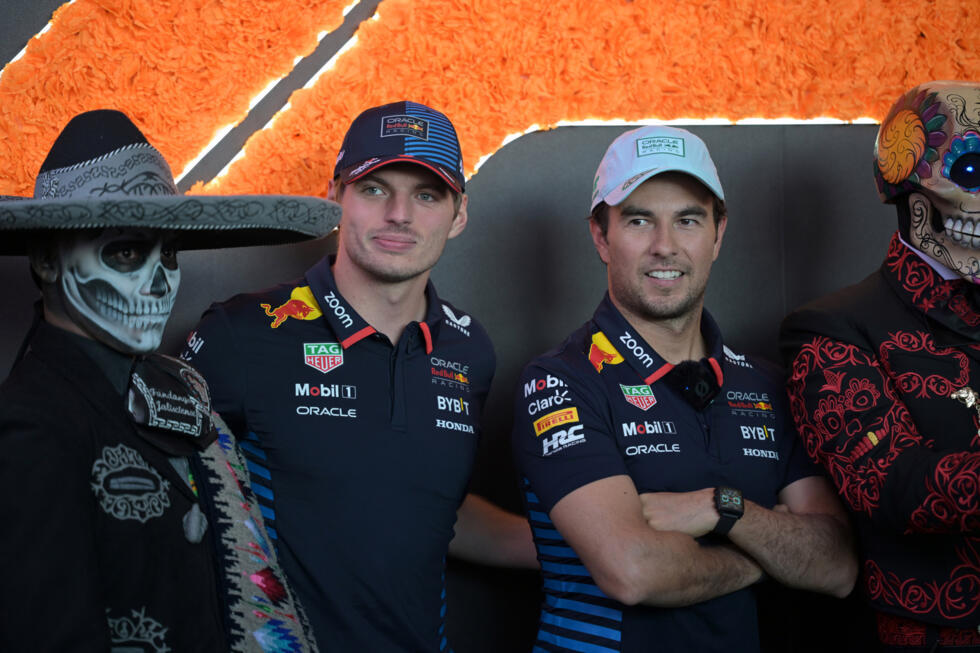
Though Red Bull officially fields two cars, the reality is the team revolves around one driver. Verstappen is not just the face of the team; he’s also the standard by which teammates are judged—and inevitably fall short. The car’s setup, development, and strategy all aim to maximize his success. This single-driver focus has earned multiple championships but makes it nearly impossible for any teammate to thrive.
The Toll on Young Careers
Red Bull’s revolving door of drivers has taken a toll on young careers. Many talented drivers have seen their confidence shattered and their opportunities cut short. The pressure to perform at Verstappen’s level is unrealistic, yet Red Bull continues to hold every teammate to that impossible standard. This dynamic discourages long-term development in favor of rapid results, which rarely materialize when drivers are constantly under threat of replacement.
No Space for Growth
For drivers promoted from Racing Bulls, the jump to Red Bull is daunting. They’re expected to adapt quickly to a high-pressure environment while being directly compared to one of the sport’s most dominant figures. Without enough time or support, most flounder. This pattern has repeated for nearly a decade, and unless Red Bull changes its internal culture, it’s unlikely to stop.
Verstappen Legacy Overshadows All
Max Verstappen’s talent is undeniable, and his legacy in Formula 1 is still being written. However, his rise and ongoing dominance have cast a long shadow over everyone who’s shared a garage with him. Whether by design or coincidence, Red Bull has become a one-driver team. Anyone hoping to make their mark alongside Verstappen must prepare for the near-impossible. Red Bull’s history suggests that no matter how promising, every teammate is ultimately expendable.
Courtesy of lexpress
For article publication inquiries, feel free to get in touch.