

Understanding the Link Between Oral Contraceptives and Mental Health
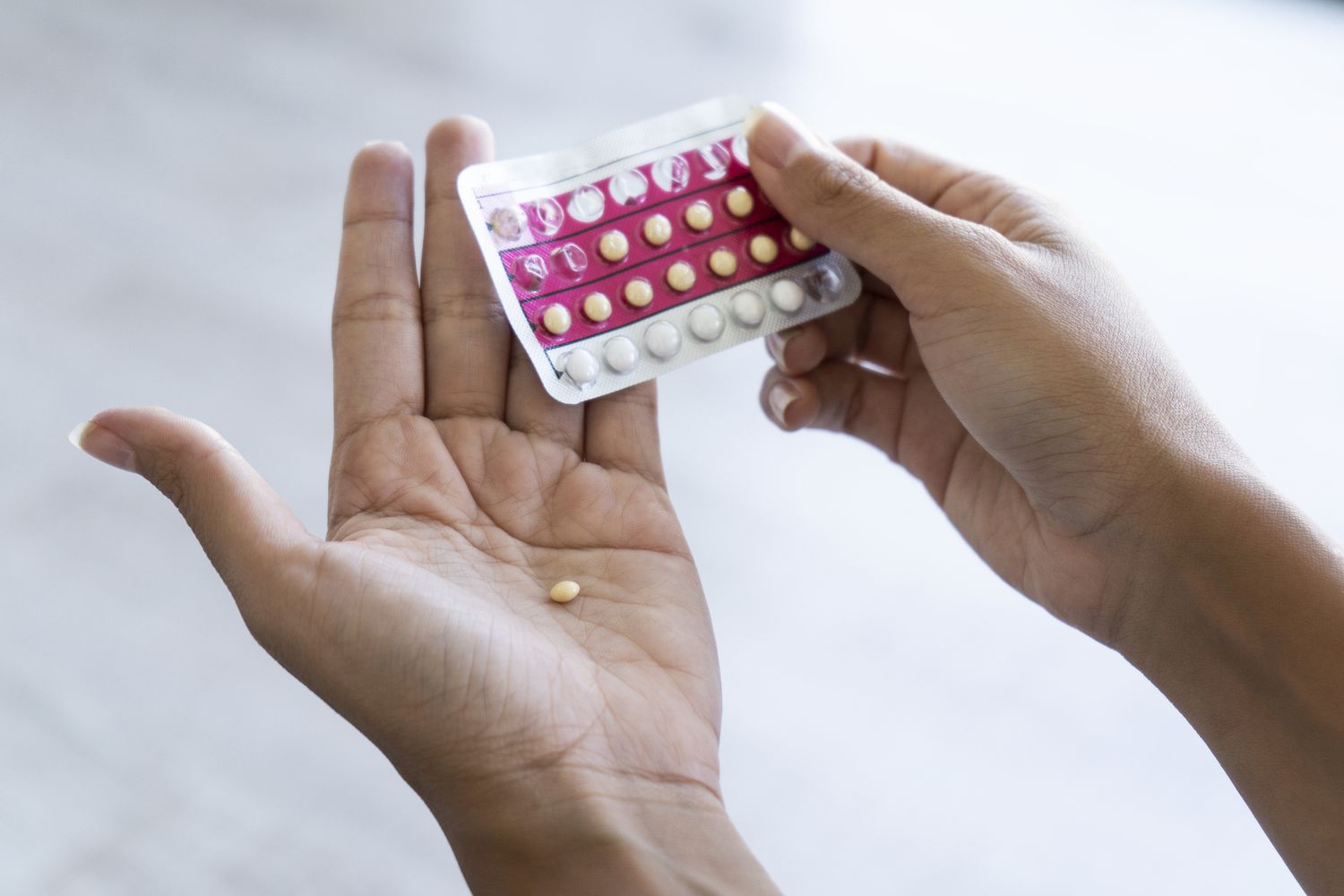
For decades, oral contraceptives have provided women with a reliable birth control option. However, in recent years, concerns over the pill’s impact on mental health have surged, particularly regarding anxiety and depression. With social media amplifying personal experiences and scientific studies offering conflicting conclusions, many women wonder: Can the pill really make them more anxious?
The Popularity and Decline of Oral Contraceptives

Since its introduction in the 1960s, the contraceptive has played a revolutionary role in women’s reproductive autonomy. Today, approximately 150 million women worldwide use oral contraceptives. However, its use has declined in recent years. In England, oral contraceptive use dropped from 39% in 2020 to 27% in 2022. Similarly, in the U.S., the number of capsule users fell from 31% in 2002 to 24% by 2019. Social media movements such as #quittingbirthcontrol have gained traction, sparking conversations about potential adverse effects.
How the Pill Works: The Hormonal Impact
There are two main types of contraceptive pills:
- Combined pill – contains synthetic estrogen and progestin, which suppress ovulation and thicken cervical mucus.
- Mini-pill – contains only progestin and primarily thickens cervical mucus and sometimes prevents ovulation.
While these hormones primarily prevent pregnancy, they also influence brain chemistry, which can impact mood and anxiety levels.
Scientific Research on the Pill and Anxiety
Research on the pill’s link to mental health has produced mixed results. Some studies indicate an increased risk of depression and anxiety among users, while others find minimal or no correlation.
Evidence Supporting the Link
- Danish Study (2016) – A large-scale study tracking over a million women found that those who started taking the combined capsule had a 70% higher likelihood of receiving an antidepressant prescription within six months. The risk was even higher (80%) for those using the mini-pill.
- UK Biobank Study (2023) – An analysis of 250,000 women revealed that capsule users were 71% more likely to experience depression compared to non-users.
- Hormonal Effects on the Brain – Studies suggest that the tablet may alter serotonin levels, the neurotransmitter responsible for mood regulation. Lower serotonin activity has been linked to increased anxiety and depression.
Contradictory Findings
- Ohio State University Review – A meta-analysis of 26 studies found only a minimal link between progestin-only contraceptives and depression.
- Swedish Clinical Trials – Two separate trials involving 200-340 women concluded that the combined pill did not significantly worsen mood or lead to depression.
- Pill Break Studies – Some research suggests that the seven-day break many women take from the combined pill may actually worsen mood rather than continuous use of the capsule itself causing anxiety.
The Role of Individual Differences
The disparity in research findings may stem from individual differences in how women metabolize hormones. Factors such as genetics, lifestyle, and pre-existing mental health conditions all play a role in determining how the tablet affects mood.
Groups Most at Risk
- Teenagers – Studies suggest that adolescent girls face the highest risk. The Danish study found that girls aged 15-19 were nearly twice as likely to receive antidepressant prescriptions after starting the pill.
- Women with a History of Mental Health Issues – Those with prior anxiety or depression may experience greater mood changes when using hormonal contraception.
- Low-Income and Minority Women – Some research indicates that socioeconomic status can influence sensitivity to hormonal fluctuations.
How the Pill May Trigger Anxiety
Scientists have identified several mechanisms through which oral contraceptives might contribute to anxiety:
- Disrupting Natural Hormone Cycles – The tablet replaces natural estrogen and progesterone with synthetic versions, potentially disrupting mood-regulating hormones.
- Lowering Allopregnanolone Levels – This neurosteroid, derived from progesterone, has calming effects on the brain. Some studies suggest that progestins in the pill may reduce its levels, leading to heightened anxiety.
- Blunting Stress Response – The pill dampens the body’s cortisol response to stress, potentially making women less resilient to anxiety-provoking situations.
- Serotonin Imbalance – Reduced serotonin signaling in pill users may contribute to mood instability and anxiety symptoms.
Should Women Stop Taking the Pill?
While some women experience heightened anxiety on the pill, most users do not report significant mental health side effects. Moreover, for many women, the benefits of oral contraceptives—including effective pregnancy prevention, reduced menstrual pain, and management of conditions like endometriosis and PMDD—outweigh potential risks.
Alternatives to Consider
If you suspect the pill is affecting your mood, consult with a healthcare provider. Possible alternatives include:
- Non-hormonal birth control – Options like copper IUDs or barrier methods eliminate hormonal side effects.
- Different hormonal formulations – Some women find that switching to a different brand or type of contraceptive pill alleviates symptoms.
- Lifestyle adjustments – Regular exercise, diet, and stress management techniques can help mitigate anxiety symptoms.
Conclusion: A Personalized Approach
The link between oral contraceptives and anxiety remains complex and individualized. While research suggests a potential association, not all women experience negative mental health effects. Those concerned about mood changes should monitor their symptoms and explore alternative contraceptive methods if necessary. As science continues to investigate this issue, open discussions with healthcare providers and informed decision-making remain essential in choosing the right birth control option.
For article publication inquiries, feel free to get in touch.