


A large new study has found that exercise after cancer treatment can help people live longer. It also lowers the risk of cancer returning—sometimes more effectively than drugs. These results are expected to change cancer recovery guidelines worldwide.
The study was presented at the world’s largest cancer conference and published in the New England Journal of Medicine. It offers strong evidence that physical activity makes a real difference after treatment.
Although doctors have recommended healthy lifestyles for years, this is the first time research has clearly shown how powerful exercise can be.
What the Study Found
Researchers followed 889 people with stage III colon cancer from six countries. Half of them joined a three-year exercise program, while the others received a booklet with healthy living tips.
Participants in the exercise group worked with a coach. During the first year, they had two sessions a month. After that, they met once a month. They aimed for three to four workouts a week, each lasting 45 to 60 minutes.
Activities were flexible. Some people walked. Others chose cycling, kayaking, or skiing. The freedom to pick enjoyable activities helped them stay active.
Life-Changing Results
After five years, patients who exercised had a 28% lower risk of cancer coming back. Eight years later, their risk of dying was 37% lower than the other group.
Dr. Julie Gralow, a top cancer doctor, said these results are better than what many drugs achieve. She added that exercise has no harmful side effects, unlike many treatments.
Why Exercise Works
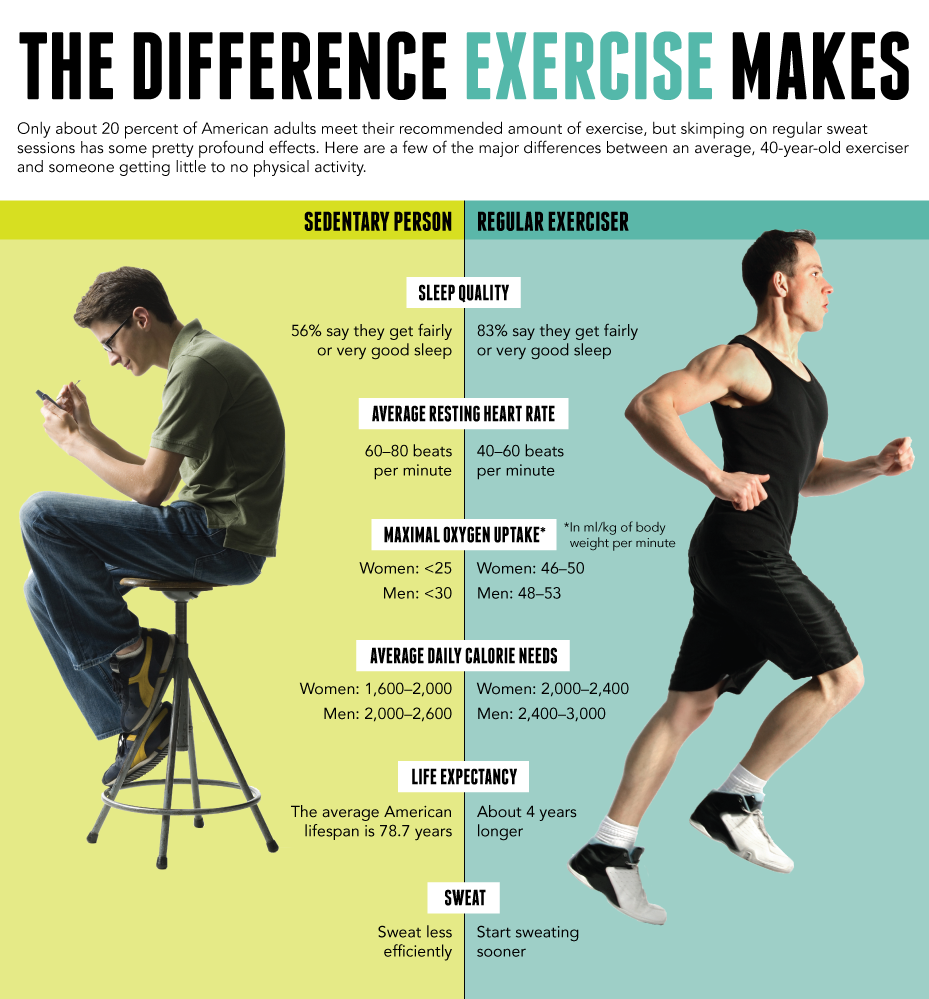
Physical activity helps the body in many ways. It controls weight, lowers inflammation, and boosts the immune system. It also improves mood and reduces stress.
According to Dr. Charles Swanton from Cancer Research UK, the results could change how people recover from cancer. He said exercise may be the key to a stronger and healthier life after treatment.
Dr. Pamela Kunz of Yale called exercise a “no-brainer” and urged hospitals to include it in recovery plans.
What This Means for Patients
Thanks to these findings, doctors expect big changes in cancer care. Exercise programs may soon be offered after surgery or chemotherapy in hospitals around the world.
Sir Stephen Powis from NHS England said the results were “life-changing.” He noted that being active strengthens the body and helps it heal faster.
Fast Facts From the Study
- 889 colon cancer patients took part
- 445 joined a 3-year exercise program
- 444 received general health advice only
- The goal: 3–4 workouts per week, 45–60 minutes each
- Results: 28% lower cancer recurrence, 37% lower death risk
With help and coaching, patients were able to meet their fitness goals safely.
Talk to Your Doctor First
While exercise has major benefits, it’s not for everyone. Some patients may need to start slowly. It’s important to ask a doctor before beginning a new activity.
Even so, the study offers hope. Early signs also show that exercise may help with other cancers, including breast and prostate.
What Comes Next
Researchers plan to test the benefits of exercise in other types of cancer. If the results match, doctors everywhere may start including exercise in care plans.
Hospitals might offer in-house training sessions. Health insurance could cover coaching and fitness programs.
Final Thoughts
Many patients ask, “What else can I do?” This study gives a strong answer: structured exercise can help you feel better, stay cancer-free, and live longer.
It may not come in a pill, but it could be one of the best treatments we have.
Courtesy of The Guardian
For article publication inquiries, feel free to get in touch