


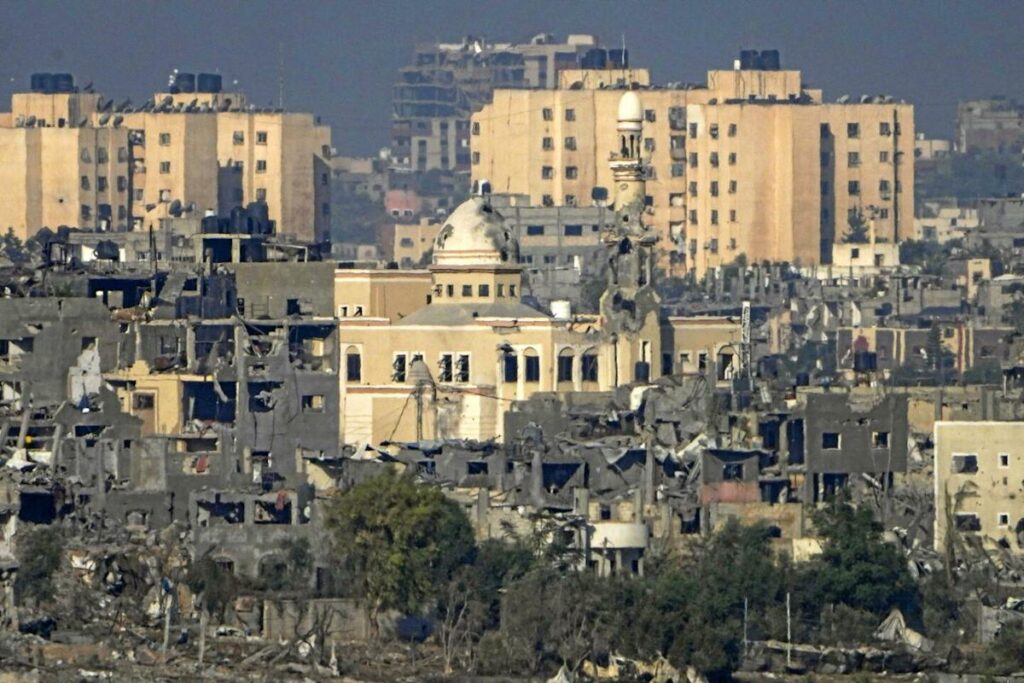
Donald Trump gave a strong warning to Hamas. He urged them to release all hostages immediately. According to him, people in Gaza would face deadly consequences if Hamas ignored the demand. Trump posted the message on Truth Social. He addressed the public in the region directly.
“To the people of Gaza: You can have a bright future. But not if you keep hostages. If you do, you are DEAD! Make the RIGHT decision.”
Additionally, he gave full support to Israel. Trump promised to send whatever was needed to help finish the fight. Furthermore, he warned Hamas that no one would remain safe if they ignored his advice.
As the ceasefire weakened, Trump added:
“Now is the time to leave while you still can,” he told Hamas leaders.
U.S. Breaks Tradition with Direct Talks
On the same day, the United States confirmed direct talks with Hamas. This marked a major policy change. For years, the U.S. refused to speak with groups labeled as terrorist organizations.
White House spokesperson Karoline Leavitt said Adam Boehler, the U.S. envoy for hostage affairs, had full authority. Although she did not provide many details, she confirmed that Israel was kept informed. In fact, Israel’s Prime Minister’s office also confirmed coordination.
Moreover, a Hamas official later told AFP that two meetings had happened in Doha.
At this point, five American hostages are still in Gaza. Four are confirmed dead. One is believed to be alive.
Trump Meets Freed Hostages
Later, Trump met with eight former hostages after their release. He repeated his full support for Israel.
“We will help Israel finish the job,” he said.
He then warned Hamas again. If they did not act, they would find no safe place.
Israeli Army Pushes Forward
Meanwhile, the Israeli army continues to strike Hamas. Army chief Eyal Zamir said the mission is not over. Although Hamas has taken heavy losses, the group still poses a threat.
“Our mission is not finished,” he stated.
Prime Minister Netanyahu agreed and vowed to win.
The conflict began on October 7, 2023. At that time, Hamas launched a surprise attack on Israel. As a result, it caused 1,218 Israeli deaths and over 250 kidnappings.
Consequently, Israel responded with a major military campaign. Gaza’s Health Ministry says over 48,000 people have died. Most of them were civilians. According to the United Nations, those numbers are accurate.
Ceasefire and Challenges Ahead
A temporary ceasefire began on January 19. Mediators from Qatar, Egypt, and the U.S. helped broker the deal. During this period, Hamas released 33 hostages. In return, Israel freed about 1,800 Palestinian prisoners.
During the truce, more aid entered Gaza. However, that flow stopped again the following Sunday.
Currently, Israel wants to extend the ceasefire until mid-April. In exchange, it demands that Hamas disarm, give up power, and return the hostages.
On the other hand, Hamas refuses those conditions. The group wants a permanent ceasefire. It also insists on staying in control of the area, which it has governed since 2007.
If there is progress, the final step would involve rebuilding.
Painful Goodbyes
On Wednesday, a funeral was held for Ohad Yahalomi. The 16-year-old had French-Israeli citizenship. Hamas returned his body on February 27.
“Sixteen years of joy and light. Now that light is gone,” said his mother, Bat-Sheva Yahalomi.
Of the 251 kidnapped people, 58 remain in captivity. The Israeli army says 34 of them are dead.
Plans for the Future
Meanwhile, Arab leaders met in Cairo to plan Gaza’s future. They proposed a deal that leaves Hamas out and returns control to the Palestinian Authority. Hamas removed them from power in 2007.
Importantly, this new plan promises to keep residents in place. Notably, it rejects Trump’s earlier idea. He had suggested moving Gazans to Egypt or Jordan and using the land for tourism.
Nevertheless, Israel has already rejected the new proposal.
What Comes Next?
Tensions remain high. While the U.S. now talks to Hamas directly, peace is still far off.
People in Gaza continue to lack food, medicine, and shelter. Clearly, every move toward peace must be taken with care. Until then, civilians will continue to pay the highest price.

For article publication inquiries, feel free to get in touch.