


Abdool Nasser Hosenally works near the Gaza border. His mission is clear: to deliver humanitarian aid. Every day, he fights to get food, medicine, and supplies to those in need.
The road, however, is hard. Yet, his resolve stays strong. For Abdool, humanitarian aid is not just a task—it is a duty.
Since the war began, Gaza has faced severe shortages. Nevertheless, thanks to people like Abdool Nasser, aid keeps flowing. It travels through checkpoints, across borders, and into the hands of those who need it most.
An Unlikely Friendship in a War Zone
In Rafah, the sounds of war are constant. Amid the chaos, however, an unusual bond formed. Abdool Nasser met an Israeli soldier, and over time, their friendship grew from honest talks and shared goals.
Initially, their views clashed. Gradually, however, trust began to build between them. “I told him we were brothers,” said Abdool. In that moment, everything changed.
As a result of this connection, new paths opened. The soldier helped identify safer routes and offered tips on how to pass through checkpoints. Consequently, these steps made it easier to move humanitarian aid.
Ultimately, each small win brought hope. And each delivery saved lives.
A Risky Journey from Cairo to Gaza
Getting humanitarian aid into Gaza is tough. Trucks must go through tight checks. Each one is searched for weapons or illegal items.
Furthermore, a single trip from Cairo to Rafah can cost $2,500. The journey takes six to seven days. Soldiers stop and inspect every vehicle.
However, delays are common. Food may spoil. Medicine may expire. But Abdool Nasser pushes on. “We do what we must,” he says.
Airdrops also help. Planes drop supplies into cut-off zones. Yet, these missions are secret. Workers cannot film or share details.
Still, the goal remains: bring aid to those in need.
Small Steps Toward Peace Through Humanitarian Aid
Hope is fragile, but it exists. Recent diplomatic efforts have helped. The Rafah border has opened more often. Aid now flows more freely than before.
Yet, Abdool Nasser warns that progress is not yet secure. “Egypt must sign formal deals,” he says. “The U.S. must ensure safety. Israel must allow passage.” Until then, aid deliveries remain uncertain.
Still, many Egyptians support the cause. Locals offer shelter and food to aid workers. “They want peace,” Abdool says. “They’re tired of war—but they still help.”
Building Trust Across Borders
Abdool Nasser’s work goes beyond aid. It builds bridges—between cultures, nations, and beliefs. He sees no enemy in those who suffer.
In addition, his bond with the Israeli soldier proves that even in war, people can connect. “Sometimes, one act of kindness can change a life,” he says.
He coordinates trucks, trains drivers, and speaks with leaders. In all he does, he puts people first. His story shows that compassion can cross even the deepest divides.
The Road Ahead for Humanitarian Aid
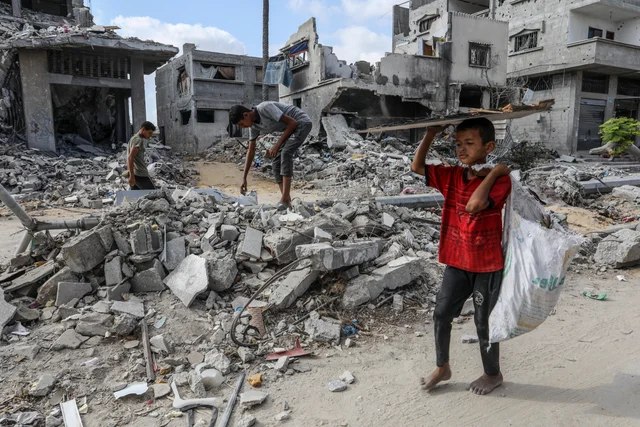
As Gaza’s crisis continues, so must the flow of humanitarian aid. Governments, NGOs, and local groups must work together.
Transparency will be key. People must trust where their aid goes. Donors must know their help reaches those in need.
Abdool hopes for lasting change. “We need real agreements,” he insists. “Not just short-term fixes.” Until then, he will keep working—one truck, one drop, one life at a time.
Even in war, aid brings light. Each meal, each kit, each drop offers hope. And each person reached shows that humanitarian aid can make a difference.
Final Thoughts on Humanitarian Aid
In today’s world filled with conflict, Abdool Nasser’s story truly stands out. His mission is not political; rather, it is deeply human.
Through both courage and care, he demonstrates that aid can bridge divides. Indeed, it can reach even the darkest corners. Moreover, it reminds us that—no matter the odds—we must never stop helping others.
Ultimately, humanitarian aid is more than just relief. It is living proof that humanity still exists—even in times of war.
Courtesy of Lexpress
For article publication inquiries, feel free to get in touch.