

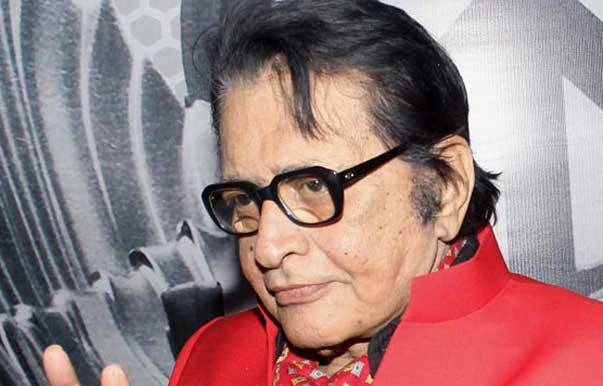
Moreover, the Manoj Kumar Bollywood legacy will always be remembered for its deep love of India. The long-time actor and filmmaker died at 87 in Mumbai. Known for his powerful, patriotic films, he left a rich legacy. Furthermore, his work helped shape Indian cinema.
Dr. Santosh Shetty at Kokilaben Dhirubhai Ambani Hospital confirmed the news. He said Kumar’s death was due to age-related health issues. Additionally, his son, Kunal Goswami, also told reporters that his father had faced health problems for many years.
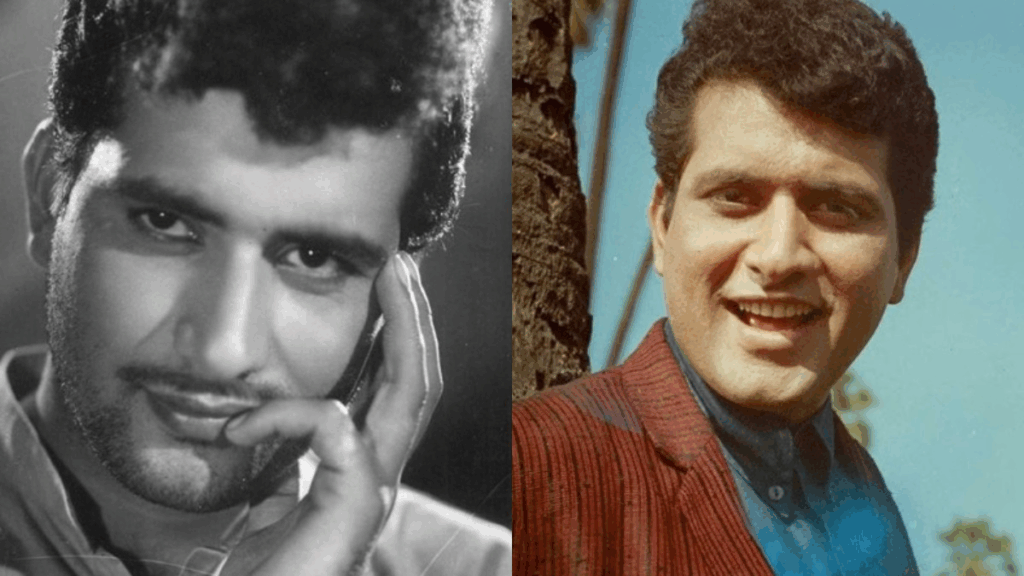
From Harikrishan to Manoj Kumar
Firstly, Manoj Kumar was born Harikrishan Goswami in 1937 in British India’s Punjab region. After partition, his family moved to Delhi. There, he discovered his love of movies. Consequently, he took the screen name “Manoj Kumar,” inspired by his hero, Dilip Kumar.
He got his first big break in the late 1950s. However, it was in the 1960s and 70s that he truly shone. His films focused on patriotism, justice, and sacrifice. Moreover, they spoke to a newly independent nation searching for heroes.
Building a Unique Image Through Film
Importantly, what made Kumar stand out was his bond with the audience. He did not just play roles. Instead, he embodied ideals. In many films, his character was named “Bharat,” a poetic name for India. This choice showed his vision of himself as the people’s voice.
For example, one famous film was Upkar (1967). It used the slogan “Jai Jawan, Jai Kisan,” meaning “Hail the Soldier, Hail the Farmer.” This phrase, coined by Prime Minister Lal Bahadur Shastri, captured the nation’s spirit. In the film, Kumar played both a soldier and a farmer. Hence, he showed the strength and sacrifice of everyday Indians.
Meanwhile, his other hits include Shaheed, Roti Kapda Aur Makaan, and Kranti. These works tackled poverty, corruption, and war. Yet they also offered hope. Therefore, his films helped define the Indian hero as brave, honest, and deeply devoted to the country.
Awards and Recognition
Over his career, Manoj Kumar won many honors. He received the Padma Shri, India’s fourth-highest civilian award, for his arts and culture work. Later, he won the Dadasaheb Phalke Award, the top honor in Indian cinema. These awards praised both his acting and directing. Indeed, his influence went well beyond the screen.
National Mourning and Public Tributes
Consequently, news of his death led to widespread grief across India. Tributes came from leaders, actors, and fans alike. Many recalled how his films made them proud.
Prime Minister Narendra Modi posted on X (formerly Twitter). He called Kumar an “icon of Indian cinema.” Modi praised him for inspiring “a sense of national pride.” He added that Kumar’s works would “continue to inspire generations.”
Similarly, filmmaker Ashoke Pandit also shared his sorrow. He described Kumar’s passing as “a great loss for the industry.” He noted that the world of cinema would deeply feel his absence.
The Impact of the Manoj Kumar Bollywood Legacy
In fact, the Manoj Kumar Bollywood legacy stands for more than hit films. It represents a vision of India—strong, fair, and united. His stories addressed real issues. They tackled problems and offered solutions. Thus, they gave Indians someone to believe in.
Moreover, he paved the way for future filmmakers. Many were moved by his courage to bring serious topics to popular cinema. He proved that films can both entertain and educate. Even after he stopped making movies, he stayed active. He gave interviews, appeared at festivals, and spoke about the industry’s future.
A Private Life of Simplicity
Despite his fame, Manoj Kumar lived simply. He avoided public life and kept to himself. Friends called him gentle, quiet, and thoughtful. He never chased spotlights, yet always earned respect.
On set, he was known for care and planning. He guided each scene with precision. Crew members said he brought out their best work. He did not just direct; he inspired.
A Legacy that Lives On
Many remember the songs and lines from his films. Yet Kumar’s true gift was his power to move people. His movies made audiences cry, cheer, and think. They reminded viewers of what it means to be Indian.
Today, schools still use his films to teach values like duty, honesty, and patriotism. Songs from his movies are sung at national events. Indeed, his work has become part of India’s cultural memory.
Saying Goodbye to a Giant
As India bids farewell to Manoj Kumar, his impact remains clear. His films are classics. His messages of pride and purpose still matter. Although he is gone, his voice endures. It echoes in every frame of his timeless work.
Conclusion
Ultimately, the Manoj Kumar Bollywood legacy remains a beacon of hope, pride, and honesty. He showed that cinema can uplift, teach, and inspire—not just entertain. As the curtain falls on his life, his message lives on: love your country, seek justice, and honor your roots.
Courtesy of defimedia
For article publication inquiries, feel free to get in touch.