

A New Wave of Violence
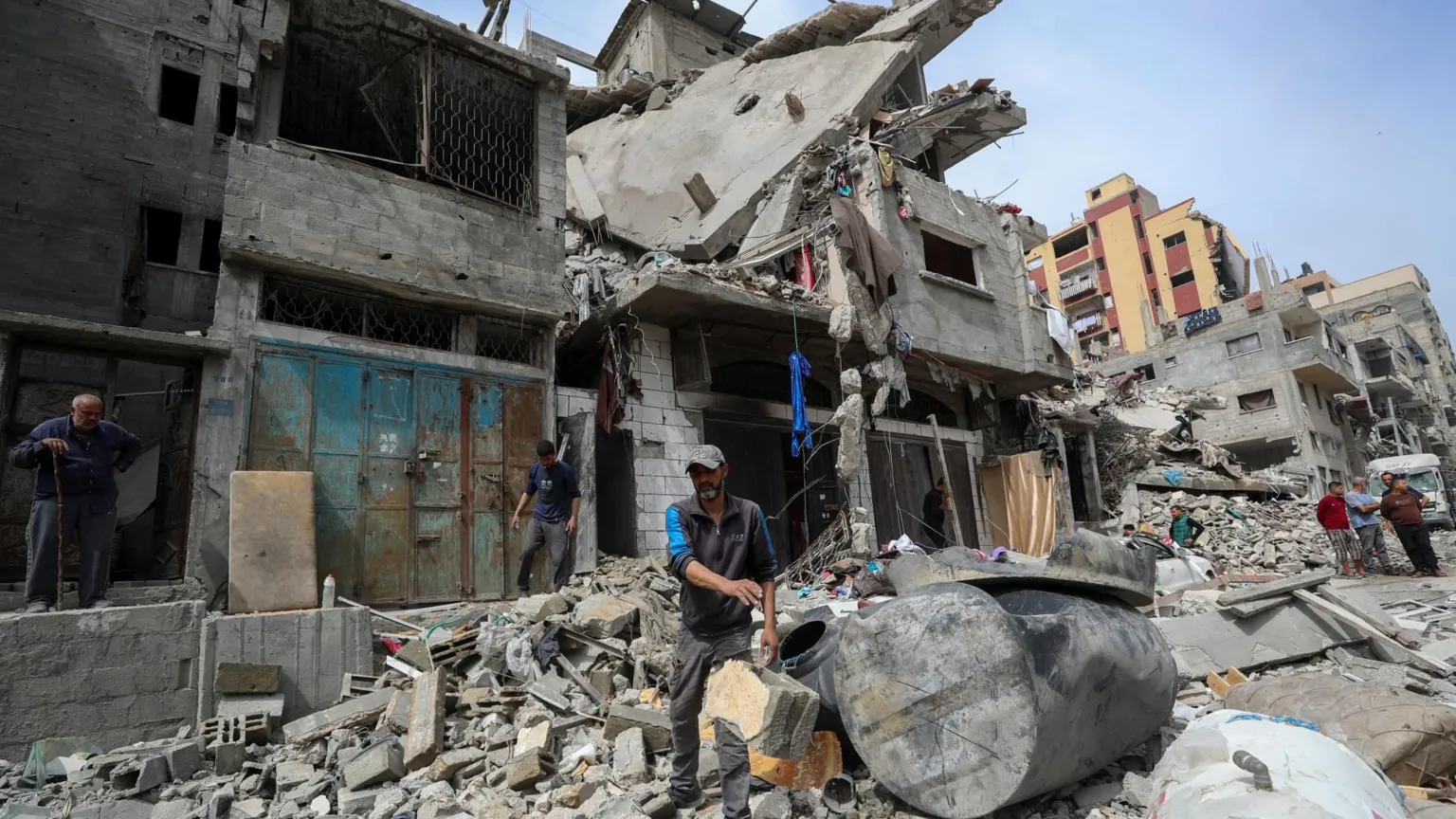
Israeli airstrikes hit Gaza on Thursday. At least 50 Palestinians died. Local health workers and rescue teams confirmed the deaths. The situation in Gaza got worse. In addition, concerns grew about civilian safety.
Attacks Begin in Northern Gaza
Early that morning, a missile struck a police station in Jabalia. It was in a busy market area. Nine people died, hospitals said. The Israel Defense Forces (IDF) attacked what they described as a Hamas command center. They claimed Hamas used it to plan attacks on Israel.
Later, another airstrike hit a home in Ard Halawa, Jabalia. The Hamas-run Civil Defence reported 23 deaths. At first, they found 12 bodies. But rescuers found 11 more after searching overnight. The IDF targeted a top Hamas fighter. He posed a major threat. They used precise weapons. They tried not to harm civilians. Still, they blamed Hamas for hiding fighters among non-combatants.
Casualties Spread Across Gaza
In addition to the deaths in Jabalia, at least 29 others were killed elsewhere in Gaza. One family of six — two parents and four children — died when their home in Gaza City was bombed at night. The Civil Defence confirmed the attack.
Additionally, the Popular Front for the Liberation of Palestine (PFLP) identified the father, Ali al-Sarafiti. An Israeli court convicted him of an attempted suicide bombing. He spent 13 years in prison. The group said he worked in their armed wing.
Meanwhile, Israeli forces denied carrying out any strike in that part of Gaza City. This makes it hard to confirm reports during war.
Displaced Families Also Targeted
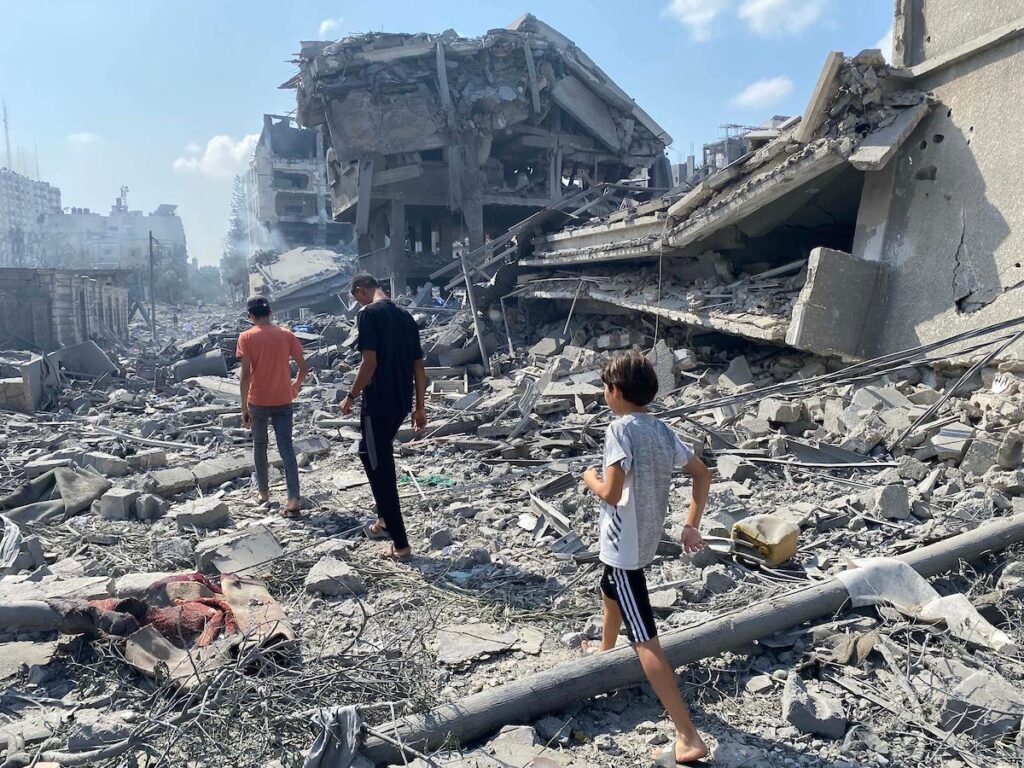
Elsewhere in central Gaza near Nuseirat, an airstrike killed three displaced people in their tent. In southern Gaza, another strike hit a tent and killed two children. These attacks reveal how vulnerable displaced families remain.
Rania al-Jumla lost her sister in Khan Younis. She told AFP, “One by one we are getting martyred, dying in pieces.” Her words reflect the pain many feel in Gaza.
Also, these repeated attacks on shelters show how dangerous life has become for those who fled their homes.
Rising Death Toll and Humanitarian Crisis
Over 1,978 people have died since Israel resumed attacks on March 18. That came after a two-month ceasefire ended. Daily life has collapsed. People cannot get basic needs like food or water.
In addition, Israel blocked all aid from entering Gaza for seven weeks. The UN warns this is making things worse. People are losing access to food, water, and medicine.
Furthermore, humanitarian groups urge Israel to lift the blockade. As the occupying power, Israel must protect civilians under international law. The UN says aid and basic services must return to Gaza.
However, Israel says its actions follow the law. The IDF notes that 25,000 trucks of aid entered Gaza during the ceasefire. Yet critics say the current ban is causing serious shortages.
For example, overcrowding fills shelters. Clean water is scarce. Hospitals cannot handle the number of injured.
Stalemate Continues
Gaza remains unstable. Both sides refuse to back down. Israel says it needs military pressure to free 59 hostages held by Hamas. Of those, 24 are believed alive.
Meanwhile, Hamas and allied groups keep firing rockets toward Israel. Israel responds with more airstrikes.
Civilians in Gaza suffer the most. Roads, buildings, and hospitals are damaged. Aid is limited.
Moreover efforts to stop the fighting have so far failed. Egypt and Qatar tried to mediate talks. Mistrust and conflicting demands block progress.
Without peace talks, Gaza’s people face ongoing hardship. The world calls for diplomacy. Civilians’ lives must come first.
Until then, Gaza will remain a hotspot of regional tension. Each day brings more death, destruction, and grief.
Courtesy of BBC
For article publication inquiries, feel free to get in touch.