

Nobel laureate Muhammad Yunus pushes for unity and reform after student-led protests oust Prime Minister Sheikh Hasina.
A Turning Point for Bangladesh
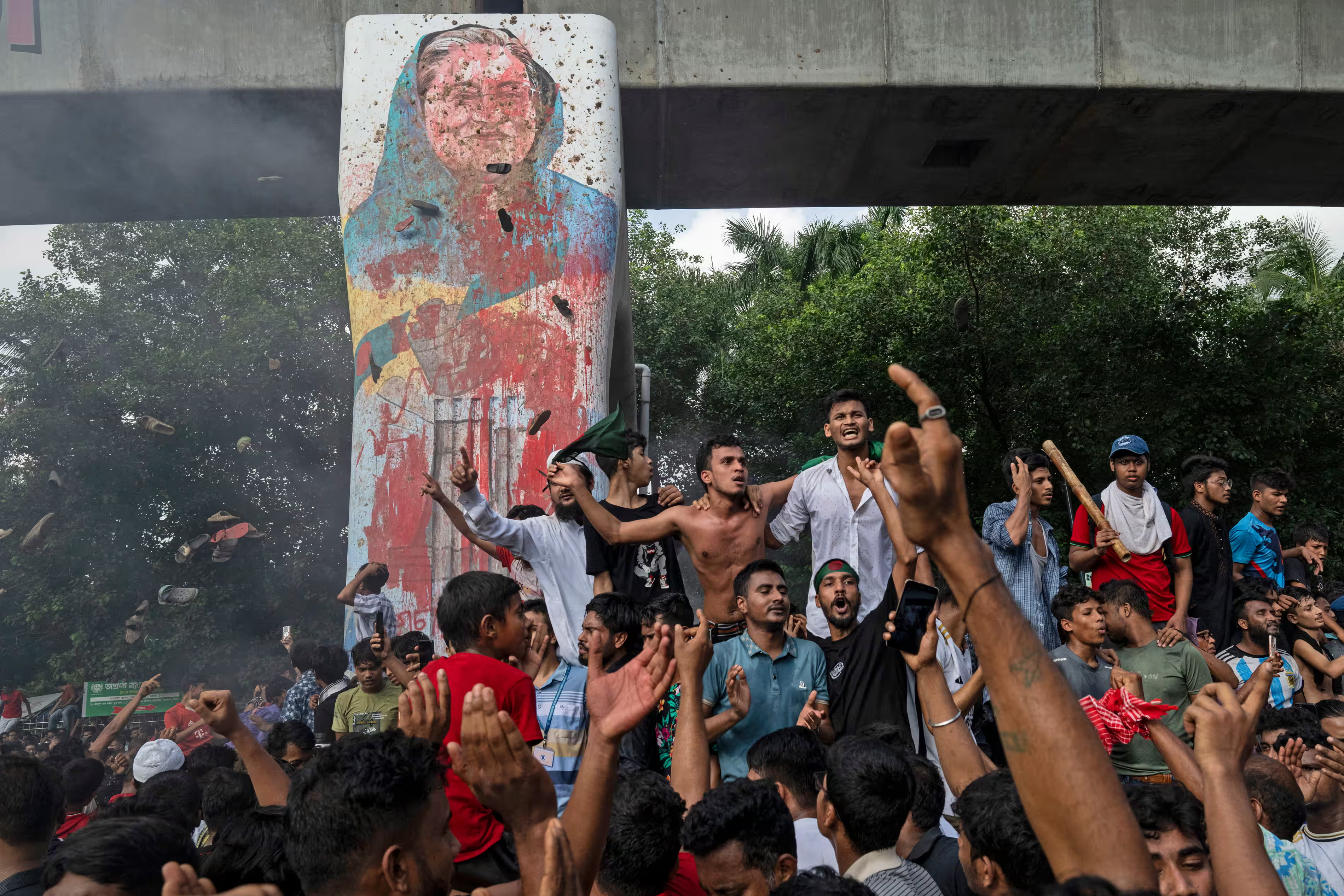
One year ago, mass protests forced Bangladesh’s Prime Minister Sheikh Hasina into exile. Students had taken to the streets in anger. They protested against unfair job quotas and rising living costs. Their frustration was clear. It reflected deeper problems in the country.
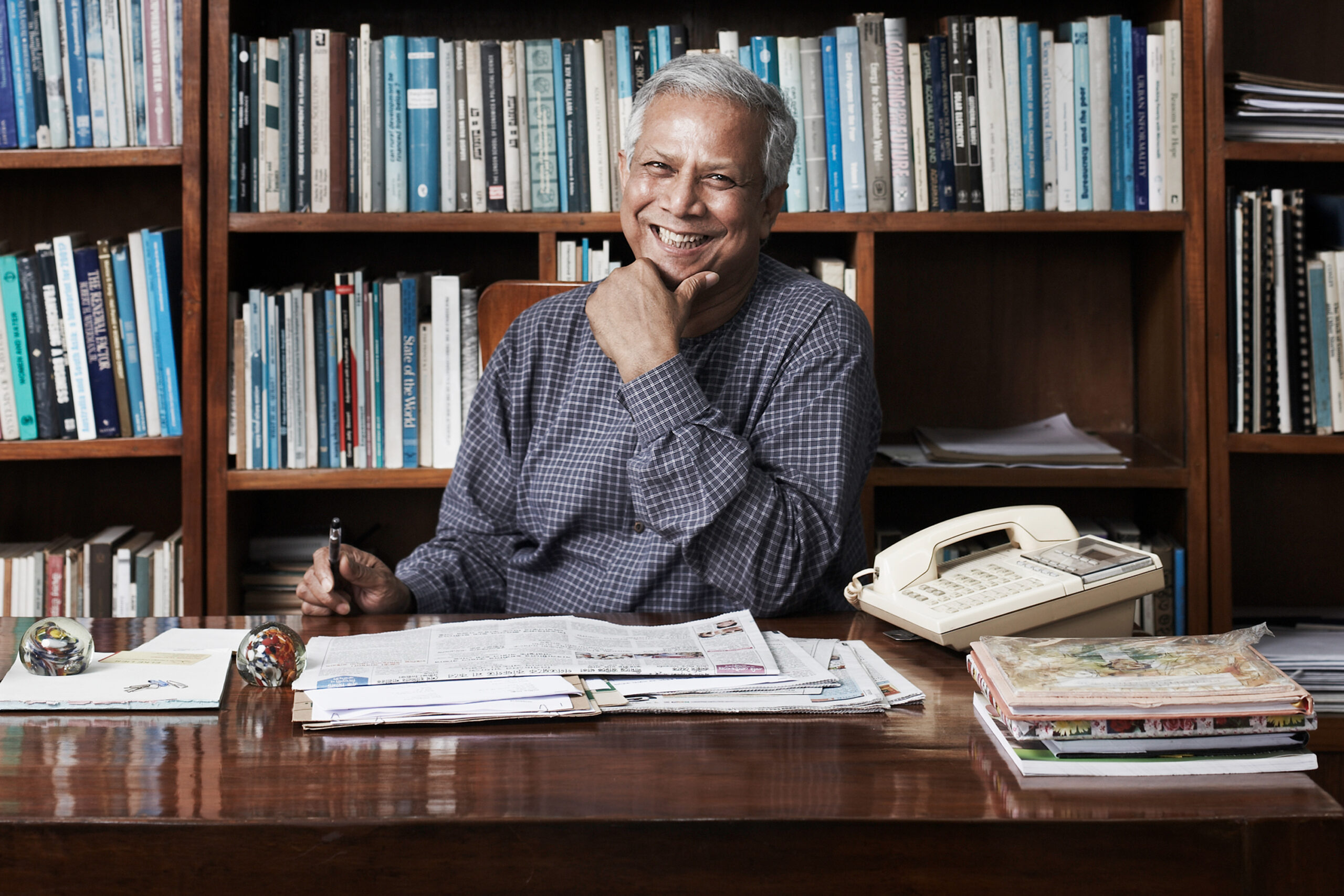
Today, Nobel Peace Prize winner Muhammad Yunus is Bangladesh’s interim leader. His goal is simple but bold: rebuild trust and fix the broken system.
“People see the government as the enemy,” he says. “They feel they are always fighting it.”
A System Full of Corruption
Corruption has affected all parts of the country. From small villages to national offices, people face bribes and unfair treatment. According to Yunus, this is the biggest barrier to progress.
“Someone is always ready to take money,” he says. Citizens must pay just to get a passport or start a small business.
This daily struggle makes people feel helpless. Many avoid dealing with officials altogether. To Yunus, real change must begin by removing this deep corruption.
A Broken Economy
The protests were not just about job quotas. People were also upset about high prices and few job opportunities. Many young people felt left behind.
Yunus says the country’s finances were in ruins when he stepped in. “The banks gave out fake loans. They knew they wouldn’t be paid back,” he says. “That money was stolen.”
Large amounts of cash disappeared. The result was a failing economy and public fear. People even worried they couldn’t access their savings.
The July Charter: A Plan for Reform
After taking office, Yunus and his team created reform plans. In January, they shared these ideas. They focused on elections, corruption, and better social support.
The most important document is called the July Charter. It suggests big changes—not small improvements. Yunus wants all political parties to agree on it before the protests’ anniversary in July.
“If we agree now,” he says, “we can prepare the country for a better system.”
Political Tensions Remain
Getting all parties to agree won’t be easy. The Bangladesh Nationalist Party (BNP) is now the most popular. It wants elections sooner and opposes a two-term limit for prime ministers.

Still, Yunus is hopeful. He says this is the first time in years that rivals are speaking to each other with respect.
Changing How the State Works
Yunus wants to change more than politics. He wants to change how the government serves the people. One idea is to grow nonprofit businesses. These could help provide healthcare and other services.
He also wants to bring back his microcredit model. This gives small loans to poor people so they can start businesses. It started in Bangladesh and has helped millions around the world.
Fixing Microcredit’s Reputation
Some now criticize microcredit. They say it traps people in debt. Yunus disagrees. He says the problem is with greedy lenders—not the idea itself.
“When done right,” he says, “it helps people grow their income. It works. We just need to manage it better.”
He hopes to set up special banks for microfinance. These would offer fair loans to people in need—without high interest.
Public Trust Is Still Low
In the past year, many banks have failed. Some people couldn’t even take out their money. This showed how broken the system is.
Yunus wants to change that. He believes that if people feel the system is fair, they will begin to trust it again. That trust is key to building a stronger nation.
Yunus Faces Criticism
A year ago, Prime Minister Hasina strongly criticized Yunus. Now that he is in power, others attack him from all sides. Still, he remains focused on reform.
“I don’t plan to stay in office,” he says. “After the April election, I’ll leave. Until then, I’ll do my best.”
Looking Ahead
Bangladesh is at a crossroads. The April election will shape the future. If the reform plan works, the country may become more fair and united. If not, old problems could return.
Yunus believes that with patience and effort, a better future is possible. “After all this,” he says, “we can finally start building a new Bangladesh.”
Courtesy of The Guardian
For article publication inquiries, feel free to get in touch