


The year 2024 will be remembered as a spectacular milestone for those enamored with the celestial dance of the northern lights, also known as the aurora borealis. This natural phenomenon, characterized by vibrant hues of green, pink, purple, and even rare blues shimmering across the night sky, reached a level of brilliance this year that captivated observers worldwide. The extraordinary displays were not only breathtaking but also scientifically significant, marking a period of heightened solar activity that amplified their intensity and reach.
A Solar Maximum: The Science Behind the Dazzle
At the heart of the magnificent northern lights lies the Sun. The auroras are the result of charged particles from the Sun colliding with Earth’s magnetic field and atmosphere. These interactions excite oxygen and nitrogen molecules, causing them to emit light. The colors we see are determined by the type of gas and altitude of these interactions—green is the most common, while reds and purples are rarer and higher in the atmosphere.
In 2024, the Sun entered a phase known as the solar maximum, a peak in its roughly 11-year cycle of solar activity. During this time, the Sun produces more solar flares and coronal mass ejections (CMEs), sending streams of charged particles hurtling toward Earth. This increased activity supercharged the auroras, making them brighter and visible at latitudes far beyond their usual range.
Global Spectacle: Northern LIghts Sightings Around the World
The heightened solar activity of 2024 brought the northern lights to locations that rarely witness them. While auroras are typically confined to high-latitude regions such as Scandinavia, Canada, and Alaska, this year saw dazzling displays as far south as northern Italy, the United Kingdom, and parts of the continental United States, including Montana and Minnesota.
Social media platforms were flooded with photos and videos from awe-struck observers. Iconic landmarks, from the Eiffel Tower in Paris to the Great Lakes in North America, were framed by the ethereal glow of the auroras, creating unforgettable moments that united people across the globe in shared wonder.
The Human Connection: Stories of Awe and Inspiration
For many, witnessing the northern lights in 2024 was a deeply personal and transformative experience. Stories poured in from amateur astronomers, photographers, and casual skywatchers who had long dreamed of seeing the aurora borealis. Families gathered under blankets in the chilly night air, friends embarked on impromptu road trips to find the darkest skies, and professional photographers traveled vast distances to capture the phenomenon.
One particularly touching account came from a small village in northern Scotland, where residents organized a community viewing event. Armed with telescopes, warm drinks, and an unshakable sense of excitement, they spent hours under the glowing sky, sharing stories and marveling at nature’s artistry. For many, it was a reminder of the beauty and interconnectedness of the universe.
Technological Marvels: Capturing the Northern Lights
Advancements in technology played a significant role in documenting and sharing the northern lights of 2024. High-resolution cameras and drones equipped with low-light sensors captured stunning images and videos, some of which went viral. These tools allowed for unprecedented clarity and detail, showcasing the auroras in all their dynamic glory.
Live-streaming platforms also brought the spectacle to those who couldn’t experience it firsthand. Organizations like NASA and various observatories hosted online events, drawing millions of viewers from around the world. These virtual gatherings fostered a sense of global community, proving that the magic of the northern lights could transcend borders and time zones.
Northern Lights Tourism: A Boon for Local Economies
The spectacular displays of 2024 gave a significant boost to aurora tourism, particularly in regions known for their dark skies and pristine natural landscapes. Countries like Iceland, Norway, and Canada saw record numbers of tourists flocking to catch a glimpse of the lights. Hotels, guided tour operators, and local businesses reported a surge in demand, with many locations fully booked months in advance.
To meet the growing interest, many destinations organized special aurora-viewing events. These included guided excursions to remote areas, workshops on astrophotography, and even luxury “glamping� experiences under the aurora-filled sky. The economic impact was substantial, benefiting communities while fostering a deeper appreciation for nature.
The Challenges of Solar Activity
While the northern lights brought immense joy, the increased solar activity of 2024 also posed challenges. High levels of geomagnetic activity can disrupt satellite communications, GPS systems, and power grids. Airlines had to reroute flights to avoid potential risks, and scientists monitored the situation closely to mitigate impacts on critical infrastructure.
Despite these challenges, the scientific community celebrated the opportunity to study such intense solar phenomena. Researchers used the data collected during this period to improve our understanding of space weather, which could lead to better prediction and mitigation strategies in the future.
A Call to Protect the Night Sky
The aurora borealis of 2024 also served as a powerful reminder of the importance of preserving dark skies. Light pollution remains a significant barrier to experiencing the full beauty of the night sky. Many urban areas, even those within the aurora’s expanded reach, missed out on the displays due to excessive artificial lighting.
Organizations advocating for dark-sky preservation used the heightened interest in the northern lights to raise awareness about the issue. They encouraged individuals and governments to take steps to reduce light pollution, from installing shielded fixtures to implementing dark-sky ordinances.
A Year to Remember
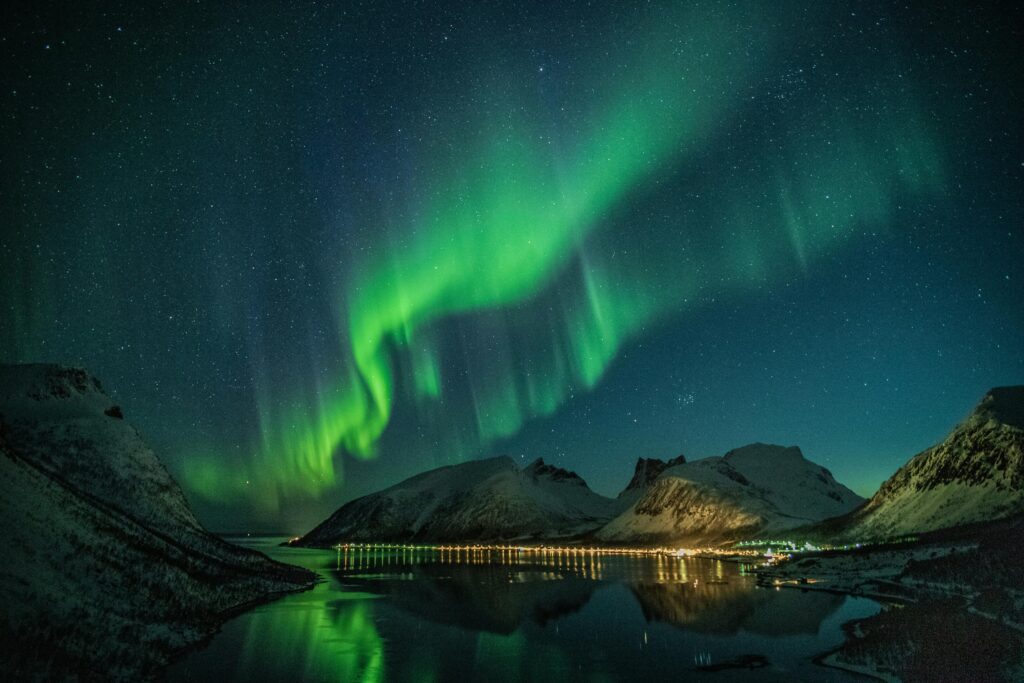
The northern lights of 2024 were more than just a visual marvel; they were a source of inspiration, wonder, and connection. They reminded us of the immense power and beauty of the natural world, encouraging people to look up and dream. As the auroras danced across the skies, they left an indelible mark on all who witnessed them, cementing 2024 as a year when the heavens truly dazzled us.
For article publication inquiries, feel free to get in touch.