

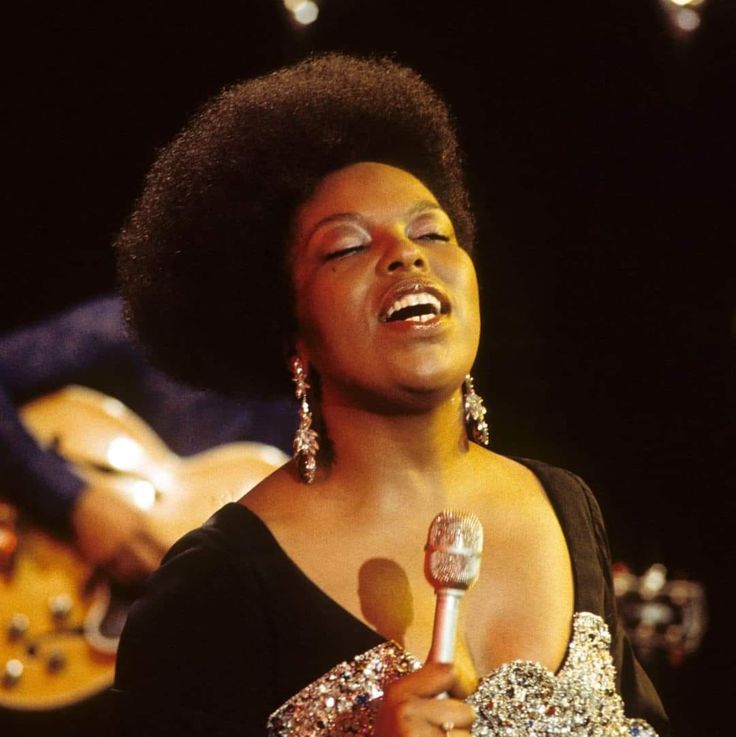
Roberta Flack: A Voice that Echoes Through the Age.
Roberta Flack’s voice stands as one of the most powerful and versatile in American music. Whether performing folk ballads or sophisticated pop, her music deeply resonates with listeners. Each note, each phrase, invites us into a world of emotion, rich with complexity. Flack’s ability to evoke raw human experience makes her a unique figure in the world of soul music.
Flack’s Musical Journey: From Soul to Sophistication
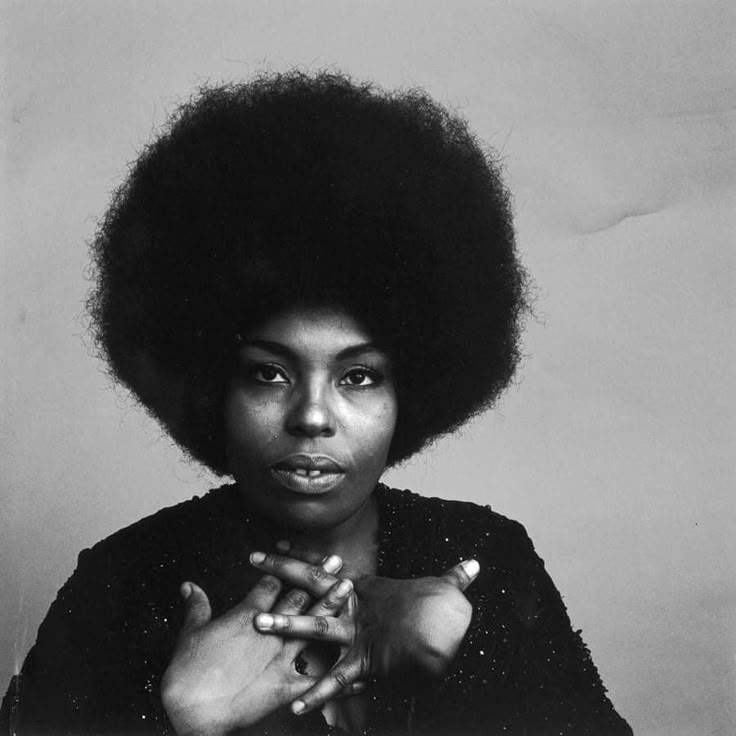
In the liner notes of Lost Takes (2023), poet Harmony Holiday writes that Flack had “the voice of the idyllic afterlife you’d want to arrive in after the end of a dysfunctional world.” This description encapsulates the duality of Flack’s artistry. Her voice combines serenity with an acute awareness of life’s challenges. Her ability to convey both ecstasy and agony marks her as an emotional powerhouse in music.
Flack began her career by blending influences from folk, soul, and gospel. Her take on To Sir With Love from Lost Takes reveals the understated fire that was always present in her voice. It’s this fire that made her performances so captivating. As she sang, she was not just conveying a song; she was channeling emotions from deep within, drawing listeners into her world.
A Legacy of Emotional Depth: Roberta Flack’s Musical Expression
Raised with the influence of gospel great Mahalia Jackson, Flack initially doubted her ability to match Jackson’s vocal power. Instead, she focused on her piano skills and earned a scholarship to Howard University at age 15. There, she began to find her voice not only as a pianist but also as a singer. After winning a talent show by singing Don’t Take Your Love From Me, she decided to pursue singing full-time.
Her big break came when she was introduced to Les McCann, who helped her land an audition with Atlantic Records. That audition led to the recording of First Take, which became a landmark album. One of its highlights was her cover of The First Time Ever I Saw Your Face, a raw and intimate performance that touched millions. It was this combination of emotional depth and vocal mastery that set Flack apart from her peers.
Roberta Flack’s Voice: A Blend of Faith, Agony, and Ecstasy
First Take marked the beginning of a successful career that spanned decades. Throughout the 1970s, Flack created albums that balanced sophistication with emotional depth. She explored new sounds while staying true to her gospel roots. Her 1973 hit Killing Me Softly with His Song became one of her most iconic tracks. It’s a beautiful example of how she could convey vulnerability and strength in a single performance.
Her duets with Donny Hathaway, such as on Roberta Flack and Donny Hathaway (1972), showcased her ability to create chemistry with other artists. Their voices blended effortlessly, adding a lighter, more playful side to Flack’s signature sound. These collaborations defined an era of soul music, making Flack one of the most influential figures of her time.
From Gospel Roots to Global Stardom: The Evolution of Roberta Flack
Flack’s career wasn’t without its challenges. The tragic loss of Donny Hathaway to suicide in 1979 deeply affected her. Though she continued making music, her collaborations after Hathaway lacked the same emotional intensity. However, she adapted and embraced new musical trends, working with Peabo Bryson on Tonight I Celebrate My Love.
The 1980s saw Flack exploring mainstream genres, releasing Christmas albums and covering popular songs. Despite this shift, her voice remained unparalleled. She always imbued every song with her own distinct personality. Even as the music landscape changed, Flack’s artistry continued to shine.
Roberta Flack: The Lasting Impact of Her Artistry
In 2022, Flack received a Grammy Lifetime Achievement Award, but her life was soon overshadowed by her diagnosis with ALS. The disease gradually took away her ability to perform. Yet, her legacy remains as powerful as ever. Roberta Flack was never content to be defined by a single genre. As she reflected in a 2020 Guardian interview, “I didn’t try to be a soul singer, a jazz singer, a blues singer… My music is my expression of what I feel and believe in a moment.” That openness and authenticity are what made her music so profound.
Flack’s voice wasn’t just a vehicle for songs—it was a way of expressing life’s complexities. It was both a balm and a spark, offering listeners a chance to connect with the full spectrum of human emotion.
Courtesy of The Guardian
For article publication inquiries, feel free to get in touch.