


Tesla recently held its first-quarter earnings call. While profits dropping grabbed attention, the biggest news was about Tesla’s upcoming Robotaxi launch in Austin, Texas. Elon Musk and other executives shared updates on this and other projects like Optimus and a new affordable car.
Robotaxi Launch in Austin: Small Fleet, Big Goals
Musk said there are many Tesla cars testing self-driving software in Austin. These cars have safety drivers inside as they learn. The initial Robotaxi fleet will have just 10 to 20 vehicles. This small number helps keep the launch safe. But Tesla plans to grow the fleet fast.
Musk predicted that by the second half of next year, millions of Teslas will drive fully on their own. He also said Robotaxis will start making noticeable money by mid-2026. This would change how people get around.
Right now, Tesla’s self-driving system needs humans to take over very rarely. Musk said sometimes they go many days without anyone intervening. This makes it hard to find new problems to fix.
Tesla did not share exact numbers. But Musk said twice that interventions happen about every 10,000 miles. That is roughly how far a typical car drives in a year. He worries that as the cars reach 20,000 or 30,000 miles without issues, it will be harder to find new problems. This could slow down progress.
Model Y and Localized Driving Zones
The Robotaxis in Austin will be Tesla Model Ys. Later this year, Tesla will release an unsupervised Full Self-Driving (FSD) mode to owners with the latest hardware (HW4) in several cities. Musk said these cars will only work in certain areas. This is called using “localized parameter sets.” For example, the cars will not drive in snow.
Tesla compares these localized settings to how AI models use special expert modules for different tasks. Moreover, Musk said that by the end of this year, Tesla cars will be able to drive themselves from factories in Austin and Fremont to owners’ homes. Today, cars only drive themselves on private factory roads.
In addition, Tesla is working hard to fix a long list of small bugs. Musk said they are “burning down the long tail,” meaning fixing many minor issues one by one.
Comparing Tesla’s Safety Interventions to Others
Tesla’s current FSD system needs many more interventions. Tesla owners say they need safety help about every 400 miles. This is far less safe than the 10,000 miles Musk mentioned for Robotaxis.
Humans have minor accidents or “dings” about once every 100,000 miles. Insurance claims happen roughly every 250,000 miles. Police-reported crashes occur about once every 500,000 miles. Waymo, a competitor, reported a crash caused by their cars every 2.3 million miles after an independent check.
It is hard to compare these numbers. They measure different things. Tesla has not explained what counts as an “intervention.” It might include small corrections or serious safety issues. This makes it hard to know how close Tesla is to beating humans.
Robotaxi Challenges of Testing in a Crowded City
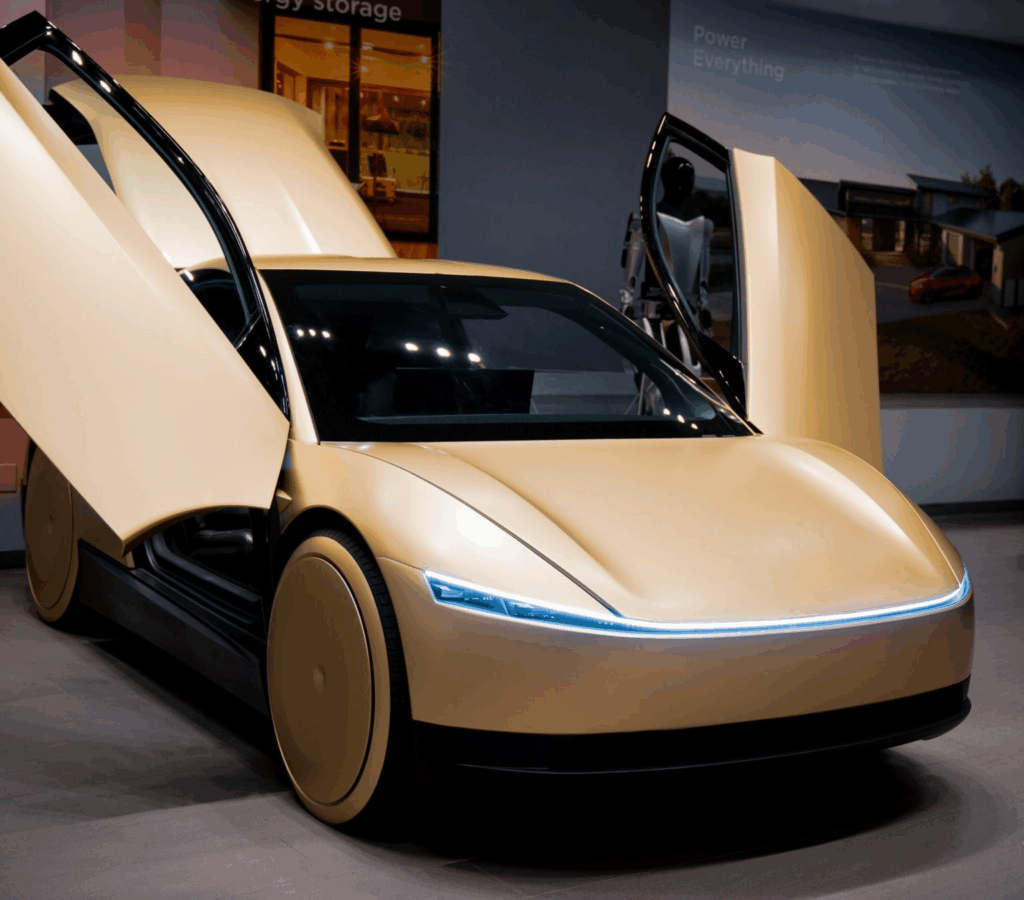
Musk said cars often go many days without intervention. This seems strange because Austin’s roads have many Tesla test cars.
For such an important launch, Tesla likely has over 200 test vehicles in Austin. If each drives 150 miles daily, that is 30,000 miles every day. If an intervention happens every 10,000 miles, that should mean three interventions daily across the fleet. So, having several days without any safety intervention is unlikely.
Tesla no longer has a press office to answer questions. Most information comes from tests on select Austin roads. Tesla probably trained the cars heavily on these roads. This training improves results.
Tesla’s Vision System and Its Impact on Safety
Tesla’s new vision processing helps cars “see” better in bad weather. The system sends photo data directly to neural networks. It skips usual image processing steps.
Musk says this makes the sensors very good against glare, fog, rain, and dust. Tesla says their system can see as well as or better than humans in tough conditions. This helps Robotaxis drive safely in bad weather.
Competitors like Waymo and Baidu use other sensors like LIDAR and radar. Baidu says their Robotaxi costs $28,000 to build. This is less than a Tesla. But Musk thinks Tesla will lead because their cars are cheaper and easier to make at scale.
When Will Robotaxis Become Common?
The 10,000-mile intervention rate is much better than 400 miles for Tesla’s FSD users. But it is still below human safety rates.
If Tesla improves by 10 times in two months, their Robotaxis could have crash rates like humans. But this is unlikely. Making fully safe self-driving cars has taken years for others.
Tesla plans to keep working hard. Robotaxis might bring big money by mid-2026. But it may take years before many people can use them.
The Road Ahead for Robotaxi and Autonomous Vehicles
Tesla’s Robotaxis could change travel. Millions of cars driving safely without humans would cut accidents. Additionally, it would lower costs and give passengers free time.
Still, many challenges remain. Tesla must prove Robotaxis handle all roads safely without human help. There are questions about how well they will work beyond tested roads.
Tesla’s focus on cameras and AI, not costly sensors, could make Robotaxis affordable. As a result, this would give Tesla an edge over rivals.
Musk’s predictions are hopeful. The next years will be key. Tesla must fix bugs, build many cars, and earn trust. Then Robotaxis could be common worldwide.
Courtesy of Forbes
For article publication inquiries, feel free to get in touch.