

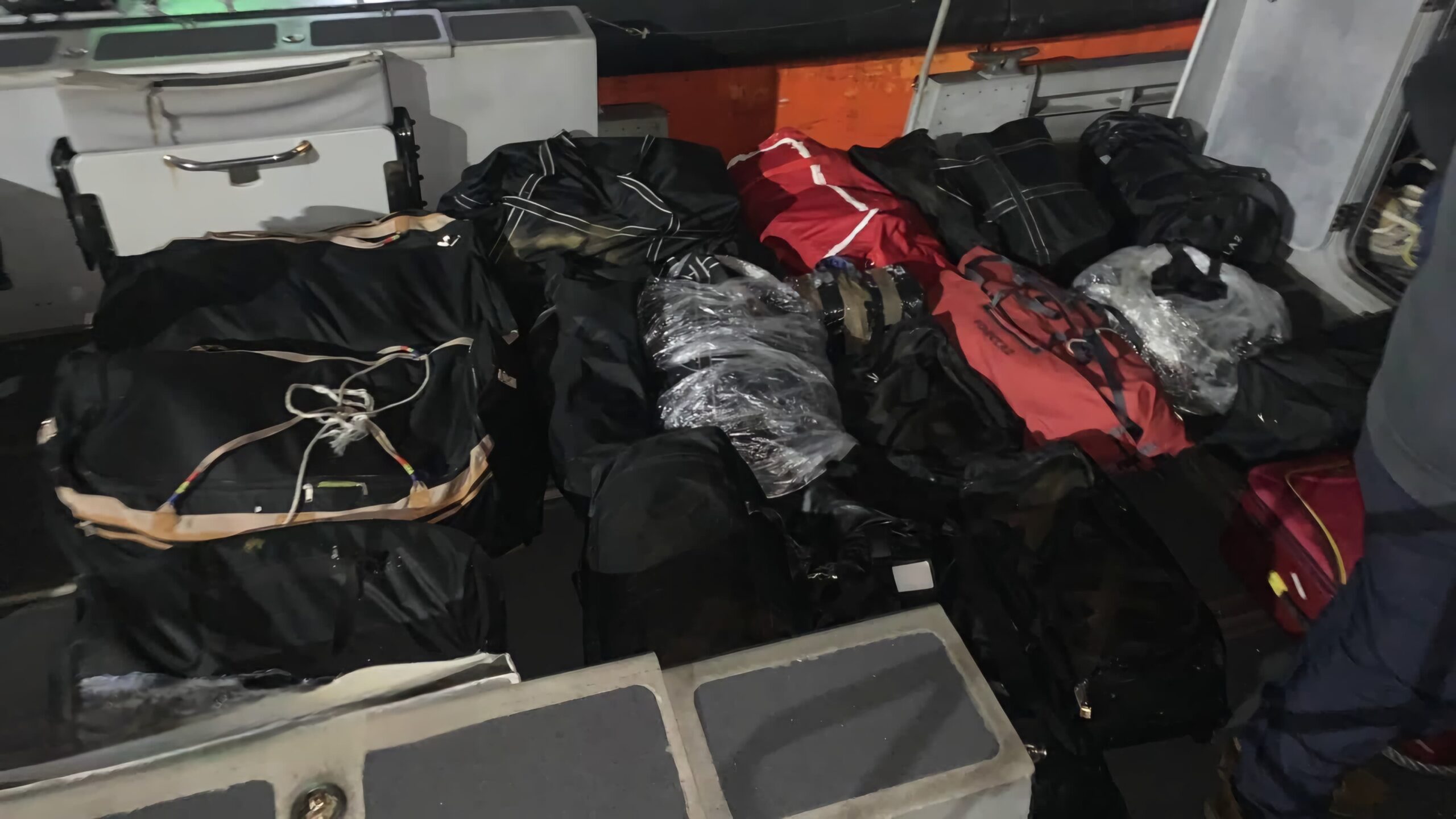
The new government has made the fight against drug trafficking a cornerstone of its agenda. Recognizing the widespread damage caused by this societal scourge, Prime Minister Navin Ramgoolam appointed Rampersad Sooroojebally as Police Commissioner, entrusting him with the task of leading a robust campaign against related crimes. With extensive experience as the head of the Anti-Drug and Smuggling Unit (Adsu), Sooroojebally now faces even greater responsibilities. His primary objectives include crafting strategies to eradicate open drug markets and enhancing public safety through collaboration with other police departments. Despite notable drug seizures, the challenges persist, particularly as some regions remain notorious hotspots for trafficking.
Reorganizing the Anti-Drug Unit: From Adsu to DEA
One of the most significant changes in the government’s anti-drug strategy is the restructuring of the Adsu into the Drug Enforcement Agency (DEA). While this reform was a major electoral promise of the Alliance of Change, it remains at an early stage, requiring extensive legal and administrative adjustments. The decision to overhaul Adsu stems from the findings of the Lam Shang Leen Commission, which highlighted critical deficiencies within the unit and recommended its dissolution.
As part of the reorganization, Commissioner Sooroojebally has already dismantled the controversial Special Striking Team, which faced allegations of “drug planting.” He has also implemented internal changes within the Adsu to counter traffickers, who often have access to sophisticated logistics and substantial financial resources. This restructuring aims to strengthen the agency’s operational efficiency and restore public trust.
Targeting Drug Hotspots Across the Country
Drug trafficking continues to plague several areas, including Karo Kalyptis, Batterie Cassée, Cité Roche Bois, Cité Sainte-Claire, Goodlands, Grand-Gaube, and Résidence Barkly. These locations are widely regarded as hubs for sales, where traffickers operate with impunity. Social workers and community leaders have emphasized the urgent need for intensified efforts in these regions to disrupt drug networks.
“The government and police must redouble their efforts in these areas where traffickers believe they have the freedom to sell drugs,” said one community activist. Breaking the dominance of major drug lords and dismantling their networks are vital steps toward reclaiming these neighborhoods.
Strengthening Integrity in Law Enforcement
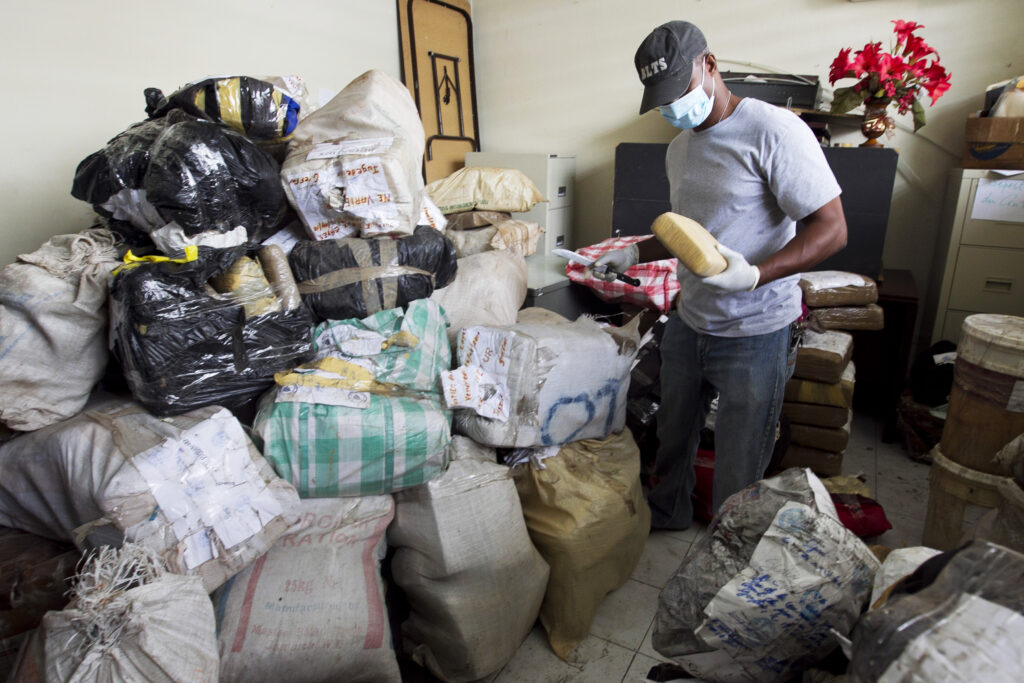
Ally Lazer, a prominent social worker and president of the Association of Social Workers of Mauritius, welcomed the proposed replacement of the Adsu by the DEA. However, he cautioned against deep-seated structural issues within the police force, including potential collusion between officers and traffickers. “Changing the name is one thing, but integrity is the cornerstone,” Lazer stressed. Ensuring transparency and accountability in law enforcement is crucial to the success of the DEA.
Enhancing Maritime Surveillance Against Drug Trafficking
The Customs Anti-Narcotics Section (CANS) is set to bolster its maritime surveillance capabilities with the addition of three high-speed boats. These vessels will patrol the 58 maritime entry points around the island, focusing on intelligence-based operations to combat drug trafficking and smuggling. Enhanced collaboration with neighboring countries will also be a key component of this initiative. This regional approach aims to disrupt the supply chains of international traffickers who exploit maritime routes.
Establishing a New Anti-Drug Office in La Gaulette
To address the growing threat of illegal substance trafficking through maritime routes, the Western Anti-Drug Brigade has opened a new office at the La Gaulette police station. This initiative aims to strengthen monitoring of vessels transporting drugs from neighboring islands, particularly those smuggling cannabis from Reunion Island. The strategic location of this office will play a critical role in intercepting shipments and curbing the inflow of narcotics.
Reinvigorating Community Policing Efforts
In addition to targeted enforcement actions, Commissioner Sooroojebally has prioritized the revival of community policing initiatives. This approach seeks to bridge the gap between law enforcement and the public by fostering collaboration and trust. The “Neighborhood Watch” program will be revamped to include both civilians and police officers, encouraging active participation from residents in maintaining community safety.
High-ranking police officials have expressed their commitment to rebuilding the force’s reputation and restoring public confidence. “There have been criticisms and allegations against the police, but the majority of officers are dedicated and motivated to carry out their mission with transparency,” said a senior officer. Enhancing the public’s trust is a central objective for the police headquarters.
Challenges Facing the Drug Enforcement Agency
Despite the promise of reforms, the DEA will face significant hurdles in its fight against drug trafficking. Traffickers continue to adapt, employing sophisticated methods to evade detection. The DEA must therefore invest in advanced technology, intelligence gathering, and international partnerships to stay ahead of these criminal networks. Public cooperation and awareness will also be key to sustaining the momentum in this fight.
Social workers have highlighted the importance of a holistic approach, combining law enforcement with prevention and education. “The fight against drugs is not just about arrests and seizures. We need to address the root causes, such as unemployment, poverty, and lack of education,” said one advocate. Efforts to rehabilitate users and reintegrate them into society are equally critical to breaking the cycle of addiction and crime.
The Road Ahead in the War on Drugs
The year 2025 will be pivotal in the battle against illegal substances trafficking in Mauritius. With the reorganization of the Adsu into the DEA, increased maritime surveillance, and a renewed focus on community policing, the government aims to deliver on its promise of a safer and drug-free nation. However, success will depend on the effective implementation of these measures and the collective efforts of law enforcement, policymakers, and the public.
As Commissioner Sooroojebally embarks on this challenging mission, the eyes of the nation will be on him and his team. The fight against drugs is not just a law enforcement issue; it is a societal responsibility. By working together, Mauritius can hope to overcome this menace and build a brighter future for its citizens.
Courtesy of Defi Media
For article publication inquiries, feel free to get in touch.