

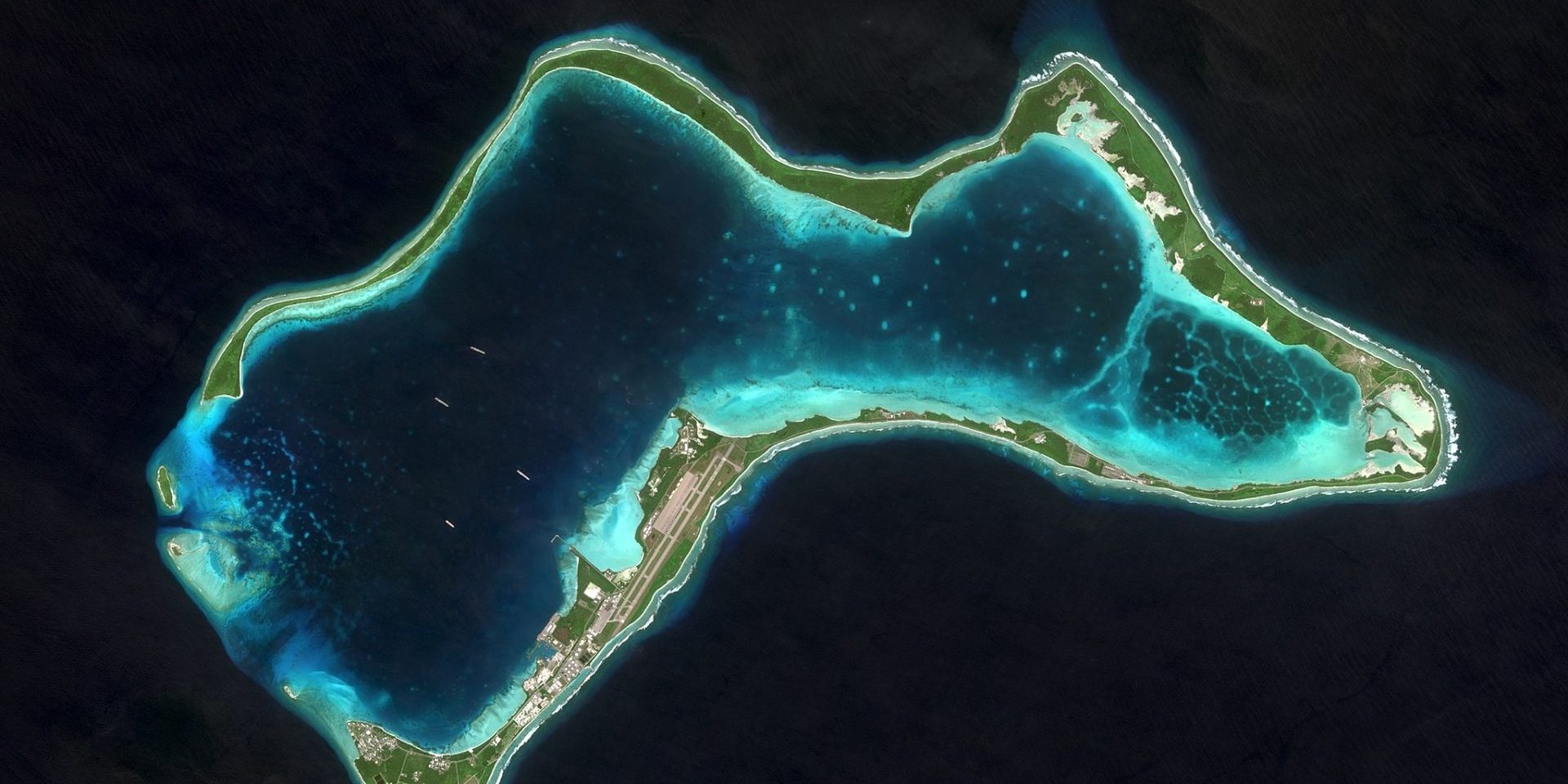
December 20, 2024, marks a significant milestone in the relationship between the Republic of Mauritius and the United Kingdom of Great Britain and Northern Ireland, with a joint declaration concerning the Chagos Archipelago, including Diego Garcia.
This day represents a critical juncture in the longstanding and often contentious history between the two nations. Both governments have initiated a series of productive discussions aimed at finalizing a “historic treaty” to define the terms under which sovereignty over the Chagos Archipelago will be exercised. These talks, characterized by “a spirit of collaboration and mutual respect,” aim to establish a future of harmony and cooperation for both parties.
The joint declaration underscores the commitment of both the Republic of Mauritius and the United Kingdom to swiftly reach an agreement. This treaty seeks to balance the complex geopolitical and security interests tied to the region, particularly the strategic importance of Diego Garcia, which houses a critical military base. At the same time, it unequivocally affirms Mauritius’ sovereignty over the entire Chagos Archipelago. The British government’s press release, issued on December 20, highlighted this shared resolve and outlined the key objectives of the negotiations.
Historical Context and Sovereignty Claims On Chagos
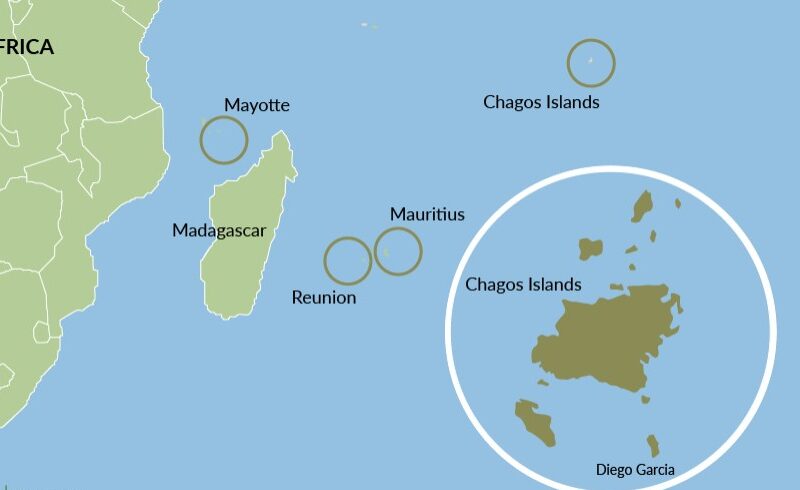
The Chagos Archipelago, a group of islands located in the Indian Ocean, has been at the center of a decades-long dispute between the Republic of Mauritius and the United Kingdom. The archipelago, including Diego Garcia, was detached from Mauritius in 1965, three years before Mauritius gained independence. This detachment was facilitated through an agreement that has since been widely criticized as being conducted under duress.
The United Kingdom subsequently established the British Indian Ocean Territory (BIOT) and leased Diego Garcia to the United States, which developed a military base there. The base remains a key strategic asset for defense and security operations, particularly in the Indo-Pacific region. However, this arrangement came at a significant cost to the Chagossian people, who were forcibly removed from the islands and resettled in Mauritius, the Seychelles, and the United Kingdom. Their displacement has fueled international criticism and legal challenges over the years.
In 2019, the International Court of Justice (ICJ) issued an advisory opinion declaring that the separation of the Chagos Archipelago from Mauritius was unlawful and that the United Kingdom should end its administration of the territory “as rapidly as possible.” The United Nations General Assembly subsequently adopted a resolution supporting the ICJ’s opinion and calling for the decolonization of the Chagos Archipelago. This marked a turning point, placing significant international pressure on the United Kingdom to address the issue.
Key Elements of the Treaty
The ongoing negotiations between the Republic of Mauritius and the United Kingdom are centered on crafting a treaty that reflects both countries’ priorities. According to the joint declaration, the treaty will:
- Affirm Mauritius’ Sovereignty: The agreement will officially recognize the sovereignty of Mauritius over the Chagos Archipelago, resolving a key point of contention in the dispute.
- Ensure the Functioning of the Diego Garcia Military Base: While sovereignty will be transferred to Mauritius, the treaty aims to guarantee the secure, efficient, and sustainable operation of the existing military base on Diego Garcia. This provision addresses the strategic interests of the United Kingdom and its ally, the United States, ensuring continuity in defense operations.
- Promote Mutual Respect and Collaboration: The treaty seeks to foster a spirit of partnership between Mauritius and the United Kingdom, ensuring that both nations benefit from a harmonious relationship moving forward.
The Way Forward
Both governments have expressed optimism about the progress of the negotiations. The Republic of Mauritius, represented by its Prime Minister and key diplomatic officials, views this development as a long-overdue step toward rectifying historical injustices and reclaiming full sovereignty over its territory. The United Kingdom, on the other hand, aims to address its obligations under international law while preserving its strategic interests.
For the Chagossian community, this treaty represents a beacon of hope. The negotiations have brought renewed attention to their plight, with discussions including potential measures for their resettlement and the acknowledgment of their rights. Both Mauritius and the United Kingdom have emphasized the importance of addressing the needs of the Chagossian people as part of the broader agreement.
International Implications On Chagos
The resolution of the Chagos dispute holds significant implications for international law and geopolitics. It sets a precedent for addressing decolonization issues in a manner that respects the principles of sovereignty and self-determination. Additionally, it highlights the importance of diplomatic dialogue and collaboration in resolving complex disputes.
The strategic importance of Diego Garcia cannot be overstated. As a critical military hub, it plays a pivotal role in ensuring regional and global security. The treaty’s provisions for maintaining the base’s operations reflect the delicate balance that both nations must achieve in aligning sovereignty with security interests.
Conclusion
The joint declaration on December 20, 2024, marks a historic step in the journey toward resolving the Chagos Archipelago dispute. By prioritizing dialogue, mutual respect, and collaboration, the Republic of Mauritius and the United Kingdom are paving the way for a landmark agreement that addresses historical grievances while ensuring a stable and secure future for the region.
As negotiations progress, the world will closely watch the unfolding developments, hopeful that this chapter will serve as an example of peaceful conflict resolution and the reaffirmation of the principles of sovereignty and international law. The Republic of Mauritius and the United Kingdom stand at the cusp of a transformative moment, with the potential to redefine their relationship and set a new standard for addressing colonial legacies in the modern era.
For article publication inquiries, feel free to get in touch.