

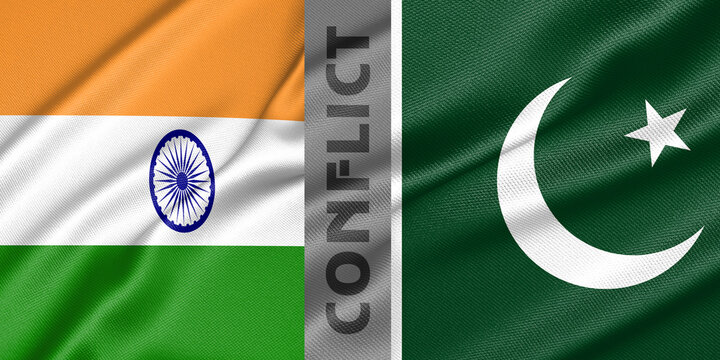
India-Pakistan Conflict Reaches Dangerous New Heights
The India-Pakistan conflict has reached a dangerous peak. The recent fighting has shocked the world. It started with a deadly militant attack in Kashmir. Twenty-six tourists were killed. In response, India launched air raids. Both countries have nuclear weapons. Now, both also report civilian deaths. As a result, global leaders are calling for calm. The crisis may escalate quickly if not stopped.
What Sparked the Current Crisis?
Trouble began on April 22 in Pahalgam. Gunmen attacked a group of Hindu pilgrims. It was Kashmir’s deadliest attack in two decades. Before this, tourism had been growing since 2019. That was when Kashmir’s legal status changed under Indian law. Many saw this attack as a major turning point.
As a result, India responded with force. Officials said they had to act to stop more violence. Clearly, tensions in the region were building for months. Now, they have erupted into open conflict.
Military Response and Escalating Consequences
First, India hit militant camps. They claim no army sites were hit. However, Pakistan says civilians died. Women and children were hurt. So they fired back hard. Now, fights grow quickly here. Both sides report border deaths daily. The violence keeps spreading fast.
Global Reactions and Diplomatic Efforts

The international community reacted quickly. The United Nations and the United States have called for peace. Their concern is clear—both nations have nuclear arms. A mistake could have global effects.
Moreover, neighboring countries are on high alert. World leaders are urging both India and Pakistan to return to dialogue. While many have offered to mediate, no formal talks have started yet.
If this continues, the region may become unstable. Therefore, pressure is mounting for a diplomatic solution.
Historical Context of the Dispute
This conflict goes back to 1947. When the British left India, they divided the region. Kashmir was claimed by both India and Pakistan. Since then, they have fought several wars over it.
Two major wars and many smaller conflicts followed. Since 1989, violence has become common in the region. Tensions have never fully eased. Every few years, new violence breaks out—just like now.
Potential Paths Forward
Looking ahead, the future is uncertain. Neither side wants a full-scale war. However, accidents or misjudgments could lead to one.
For instance, one airstrike hitting the wrong target could change everything. The risk of escalation is real. While both countries speak of peace, their actions say otherwise.
International pressure may help. But without serious talks, the cycle of violence may continue.
Why This Standoff Matters Globally
A Highly Dangerous Situation
Clearly, this standoff is one of the world’s most dangerous. In fact, two nuclear countries are directly involved. Furthermore, emotions are rising quickly on both sides. As a result, tensions are becoming harder to control.
Global Consequences of War
If war breaks out, the damage will not stay local. On the contrary, it could spread across regions. For example, the global economy could suffer due to trade disruptions. In addition, political ties between countries may break down. Public safety in many nations could also be at risk. Therefore, preventing further escalation is vital.
Urgency for Peace
However, diplomacy still offers a chance to stop the violence. Peace talks, if supported by global powers, could ease tensions. As such, the world must act now. United efforts are needed before it is too late.
Courtesy of BBC
For article publication inquiries, feel free to get in touch.